Using a Bitcoin ATM: A Comprehensive Step-by-Step Guide
Learn how to use a Bitcoin ATM with our comprehensive guide. Find ATMs, set up wallets, and understand fees for seamless transactions.
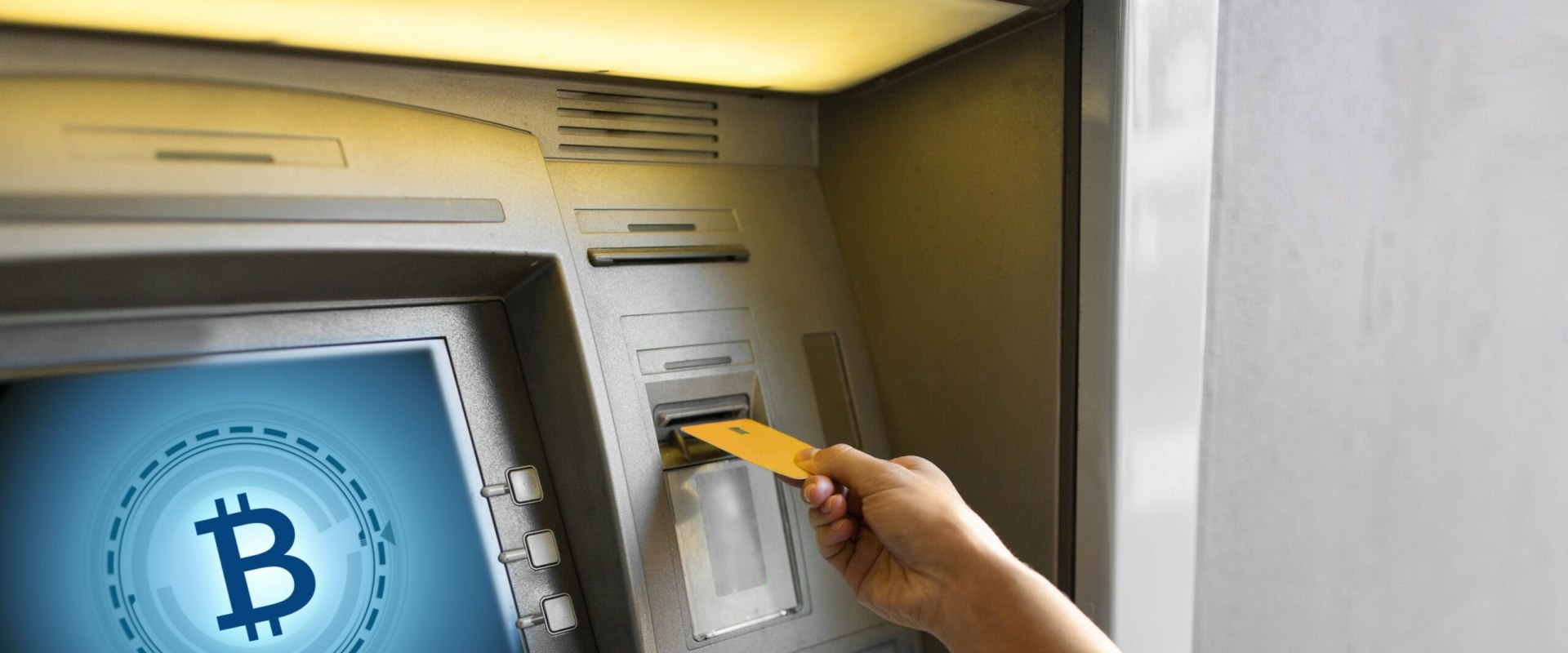

In recent years, the rise of cryptocurrency has transformed the financial landscape, and Bitcoin ATMs have emerged as a convenient solution for individuals looking to buy or sell Bitcoin. These specialized machines allow users to conduct transactions with ease, bridging the gap between traditional cash and digital currency. As more people become interested in investing in Bitcoin, understanding how these ATMs function and their benefits becomes increasingly important. A Bitcoin ATM is a kiosk that enables users to exchange cash for Bitcoin or vice versa. Unlike traditional ATMs that dispense fiat currency, Bitcoin ATMs facilitate cryptocurrency transactions by connecting directly to the blockchain.
Users can purchase Bitcoin by inserting cash into the machine, which then generates a QR code linked to their digital wallet. This process not only simplifies the buying experience but also enhances accessibility for those who may not have access to online exchanges. The functionality of Bitcoin ATMs varies by operator, but most machines are designed to be user-friendly. After selecting the desired transaction type—buying or selling Bitcoin—users follow on-screen prompts to complete their transactions. Many ATMs also offer features such as real-time exchange rates and transaction history, making it easier for users to track their investments.
Additionally, some machines provide options for generating paper wallets, adding another layer of convenience for those new to cryptocurrency. The benefits of using a Bitcoin ATM are numerous. For one, they offer a level of anonymity that traditional exchanges may not provide, allowing users to make transactions without extensive personal information. Furthermore, Bitcoin ATMs are often located in easily accessible public spaces, making it simple for individuals to buy or sell Bitcoin on the go. As the popularity of cryptocurrencies continues to grow, so too does the network of Bitcoin ATMs, making them an essential tool for anyone looking to engage with digital currencies.
How to Find a Bitcoin ATM Near You
Finding a Bitcoin ATM near you is essential for anyone looking to buy or sell Bitcoin conveniently.Fortunately, there are several effective methods and tools available to help you locate the nearest ATM.
1.Use Online Maps and Directories
- CoinATMRadar: This is one of the most popular resources for locating Bitcoin ATMs. Simply visit their website and enter your location to see a map of nearby ATMs. The site provides detailed information about each machine, including fees, supported cryptocurrencies, and operational status.
- Google Maps: A quick search on Google Maps can also yield results. Type in "Bitcoin ATM" followed by your city or zip code.
This method often shows user reviews and ratings, which can help you choose a reliable ATM.
2.Mobile Apps
- Bitcoin ATM Finder Apps: There are several mobile applications designed specifically for finding Bitcoin ATMs. Apps like Mycelium and CoinATMRadar offer GPS functionality to guide you to the nearest ATM while providing real-time data on fees and availability.
- Wallet Apps: Some cryptocurrency wallet apps also include features to locate nearby ATMs. If you already use a wallet app, check if it has this functionality built-in.
3.Community Resources
- Local Cryptocurrency Groups: Engaging with local cryptocurrency communities on platforms like Reddit or Facebook can provide insights into the best places to find Bitcoin ATMs. Members often share their experiences and recommendations.
- Social Media: Following cryptocurrency-related accounts on social media can also keep you updated on new ATM installations in your area.
4.Check with Local Businesses
Some businesses, especially those that accept Bitcoin, may have information about nearby ATMs or even host one themselves.
Don’t hesitate to ask staff at local shops or cafes that deal with cryptocurrency. By utilizing these resources, you can easily locate a Bitcoin ATM that meets your needs, ensuring that buying or selling Bitcoin is as convenient as possible.
Setting Up Your Bitcoin Wallet
Before you can use a Bitcoin ATM, it’s essential to have a secure and functional Bitcoin wallet. A Bitcoin wallet is a digital tool that allows you to store, send, and receive Bitcoin. There are several types of wallets available, each with its own advantages and disadvantages. Understanding these options will help you choose the right wallet for your needs.Types of Bitcoin Wallets
- Software Wallets: These are applications that you can install on your computer or smartphone.
They are user-friendly and convenient for everyday transactions. Examples include Exodus and Electrum.
- Hardware Wallets: These are physical devices that securely store your Bitcoin offline. They are considered one of the safest options for long-term storage. Popular choices include Ledger Nano S and Trezor.
- Web Wallets: These wallets operate in the cloud and can be accessed from any device with an internet connection.
While they offer convenience, they may be less secure than other types. Coinbase is a well-known example.
- Paper Wallets: This method involves printing your Bitcoin address and private key on paper. It’s a secure way to store Bitcoin offline but requires careful handling to avoid loss or damage.
How to Create a Bitcoin Wallet
Setting up a Bitcoin wallet is a straightforward process. Here’s a step-by-step guide to help you get started:- Choose Your Wallet Type: Decide which type of wallet suits your needs best based on your usage frequency and security preferences.
- Download or Purchase: For software wallets, download the application from the official website or app store.
For hardware wallets, purchase from a reputable vendor.
- Create an Account: If you’re using a software or web wallet, follow the prompts to create an account. This usually involves providing an email address and setting up a password.
- Backup Your Wallet: Most wallets will prompt you to create a backup phrase or seed phrase. Write this down and store it in a safe place; it’s crucial for recovering your wallet if you lose access.
- Add Funds: Once your wallet is set up, you can add funds by purchasing Bitcoin through an exchange or using a Bitcoin ATM.
Creating an Account with the ATM Operator
Before you can start using a Bitcoin ATM, the first step is to create an account with the ATM operator.This process is crucial as it establishes your identity and ensures that your transactions are secure. Here’s a detailed look at how to navigate this essential step.
1.Choose Your Bitcoin ATM Operator
- Research various Bitcoin ATM operators in your area. Popular options include Coinme, Bitstop, and Coinsource.
- Check their fees, supported cryptocurrencies, and user reviews to find the best fit for your needs.
2.Registering for an Account
Once you’ve selected an operator, visit their website or download their mobile app to begin the registration process. Here’s what you typically need to do:
- Provide Personal Information: Fill out a registration form with your name, email address, and phone number.
Some operators may also require your physical address.
- Identity Verification: To comply with regulations, most operators will ask for identity verification. This could involve uploading a government-issued ID or a selfie for facial recognition.
- Create a Secure Password: Choose a strong password that combines letters, numbers, and special characters to protect your account from unauthorized access.
3.Privacy Concerns
Your privacy is paramount when dealing with cryptocurrencies. While creating an account may require sharing personal information, reputable Bitcoin ATM operators implement robust security measures to protect your data. Always read their privacy policy to understand how your information will be used and stored.
4.Finalizing Your Account Setup
After submitting your information, you may receive a confirmation email or SMS.
Follow the instructions provided to verify your account. Once verified, you can log in and start using the Bitcoin ATM services offered by the operator. Creating an account with a Bitcoin ATM operator is a straightforward process that enhances the security of your transactions while allowing you to buy and sell Bitcoin conveniently. By taking the time to choose a reliable operator and ensuring your identity is verified, you can enjoy peace of mind as you navigate the world of cryptocurrency.
Using a Bitcoin ATM: Step-by-Step Instructions
Using a Bitcoin ATM can be a straightforward process if you follow the right steps. Below, we outline the essential steps to successfully buy or sell Bitcoin at an ATM.- Locate a Bitcoin ATM: Start by finding a nearby Bitcoin ATM.
You can use online resources like CoinATMRadar to identify the closest machines and check their operational status.
- Prepare Your Bitcoin Wallet: Before heading to the ATM, ensure you have a Bitcoin wallet set up. This could be a mobile wallet app or a hardware wallet. If you’re using a mobile wallet, make sure it’s installed and you can access your QR code easily.
- Approach the ATM: Once you arrive at the Bitcoin ATM, take a moment to read any instructions displayed on the screen. Each machine may have slightly different interfaces.
- Select Your Transaction Type: Choose whether you want to buy or sell Bitcoin.
This option is usually presented on the main screen of the ATM.
- Enter Your Phone Number (if required): Some ATMs may ask for your phone number for verification purposes. You might receive a text message with a code that you’ll need to enter on the screen.
- Scan Your Wallet QR Code: If you are buying Bitcoin, select the option to receive funds and scan your wallet’s QR code using the ATM’s camera. This step ensures that the purchased Bitcoin is sent directly to your wallet.
- Insert Cash: For cash transactions, insert the amount of money you wish to convert into Bitcoin. The ATM will display how much Bitcoin you will receive based on current exchange rates, including any applicable fees.
- Confirm Your Transaction: Review all details carefully, including the amount of Bitcoin you will receive and any fees charged.
If everything looks correct, confirm your transaction.
- Receive Confirmation: After completing your transaction, the ATM will provide a receipt or confirmation on-screen. If you purchased Bitcoin, it will be sent to your wallet immediately, often accompanied by a QR code for your records.
Understanding Fees and Exchange Rates at Bitcoin ATMs
When using a Bitcoin ATM, understanding the associated fees and exchange rates is crucial for making informed financial decisions. These costs can significantly impact the amount of Bitcoin you receive or the cash you get when selling your cryptocurrency.Bitcoin ATM Fees
- The fees for using a Bitcoin ATM can vary widely, typically ranging from 5% to over 25% of the transaction amount.
This variance is influenced by several factors, including the location of the ATM and the operator's pricing structure.
- On average, users can expect to pay around 8.4% in fees when purchasing Bitcoin. However, it’s essential to note that some ATMs may charge higher fees, especially in areas with less competition.
- Before proceeding with a transaction, always check the displayed fee on the ATM screen. This will give you a clear idea of how much you will be charged for your transaction.
Exchange Rates at Bitcoin ATMs
- In addition to transaction fees, the exchange rate offered by Bitcoin ATMs can also affect your overall cost. Many ATMs provide real-time exchange rates that may differ from those found on popular cryptocurrency exchanges.
- It’s not uncommon for Bitcoin ATMs to offer rates that are less favorable than online exchanges due to the convenience they provide.
This means that while you might receive your Bitcoin quickly, you could be paying a premium for that speed.
- To ensure you are getting a fair deal, consider comparing the ATM's exchange rate with those on reputable cryptocurrency exchanges before making a purchase.
Cost of Using Bitcoin ATMs
The total cost of using a Bitcoin ATM includes both the fees and the exchange rate. For example, if an ATM charges an 8% fee and offers an exchange rate that is 5% lower than the market rate, your effective cost could be significantly higher than anticipated. Therefore, it’s advisable to:
- Research different Bitcoin ATM providers in your area to find those with competitive fees and favorable exchange rates.
- Utilize online resources and tools that track Bitcoin ATM fees and rates to make informed choices.
- Consider whether using an ATM is the best option for your needs or if other methods of buying or selling Bitcoin might be more cost-effective.
Security Considerations When Using Bitcoin ATMs
When using a Bitcoin ATM, security should be a top priority. While these machines offer a convenient way to buy and sell Bitcoin, they also come with certain risks that users must be aware of.Understanding these risks and implementing safety measures can help ensure a secure transaction.
1.Be Aware of Your Surroundings
Before approaching a Bitcoin ATM, take a moment to assess your environment. Look for any suspicious individuals or activities nearby. If the area feels unsafe or if you notice anyone loitering, it may be best to wait until you can use the machine in a more secure location.
2.Use Secure Connections
When accessing your Bitcoin wallet or any related applications on your mobile device, ensure that you are connected to a secure network. Avoid using public Wi-Fi networks, as they can be vulnerable to hackers who may attempt to intercept your data.
3.Protect Your Personal Information
Many Bitcoin ATMs require you to provide personal information for verification purposes.
Be cautious about sharing sensitive data, and only use ATMs from reputable operators that have established security protocols in place. Always read the privacy policy of the ATM operator to understand how your information will be used and stored.
4.Monitor Transaction Fees
As mentioned earlier, transaction fees at Bitcoin ATMs can vary significantly. Before completing a transaction, check the fees associated with the ATM you are using. High fees can be a red flag for potential scams or poorly managed machines.
5.Use Two-Factor Authentication
If your Bitcoin wallet supports it, enable two-factor authentication (2FA) for an added layer of security.
This means that even if someone gains access to your wallet credentials, they would still need a second form of verification to access your funds.
6.Keep Your Wallet Secure
Always ensure that your Bitcoin wallet is secure and backed up. Use strong passwords and consider using hardware wallets for storing larger amounts of Bitcoin. This minimizes the risk of losing your funds due to theft or hacking.
7.Report Suspicious Activity
If you encounter any suspicious behavior while using a Bitcoin ATM, report it immediately to local authorities or the ATM operator. This helps protect not only yourself but also other users who may be at risk.
By following these security tips, you can significantly reduce the risks associated with using Bitcoin ATMs and enjoy a safer cryptocurrency experience.
Common Issues and Troubleshooting Tips for Bitcoin ATMs
Using a Bitcoin ATM can be a straightforward process, but like any technology, users may encounter issues that can hinder their experience.Understanding common problems and having troubleshooting tips at your disposal can make the process smoother and less frustrating.
Common Issues with Bitcoin ATMs
- Transaction Failures: One of the most frequent issues users face is transaction failures. This can occur due to network connectivity problems, insufficient funds in the wallet, or issues with the ATM itself.
- High Fees: Users often report unexpected fees when using Bitcoin ATMs. These fees can vary significantly between different machines, so it’s essential to check the fee structure before proceeding with a transaction.
- Wallet Compatibility: Not all Bitcoin wallets are compatible with every ATM. Users may find that their wallet cannot be used for transactions at certain machines, leading to confusion and delays.
- Identity Verification Issues: Some ATMs require users to verify their identity before completing a transaction.
If there are discrepancies in the provided information or if the ATM cannot read identification documents properly, this can lead to transaction denials.
Troubleshooting Tips
- Check Network Connection: If you experience a transaction failure, ensure that the ATM is connected to the internet. Sometimes, simply waiting a moment and trying again can resolve the issue.
- Review Fees Before Transactions: Always check the displayed fees before confirming a transaction. If they seem unusually high, consider finding another ATM with more favorable rates.
- Verify Wallet Compatibility: Before heading to an ATM, confirm that your Bitcoin wallet is compatible with the machine you plan to use. Most ATMs will list supported wallets on their interface or website.
- Have Proper Identification Ready: If identity verification is required, ensure you have valid identification ready and that it meets the requirements of the specific ATM.
This can help avoid delays or denials during your transaction.
Frequently Asked Questions About Bitcoin ATMs
As Bitcoin ATMs gain traction, many users have questions about their functionality, security, and overall experience. Below are some of the most frequently asked questions regarding Bitcoin ATMs.What is a Bitcoin ATM?
A Bitcoin ATM is a physical machine that allows users to buy or sell Bitcoin using cash or debit cards. Unlike traditional ATMs that dispense cash, Bitcoin ATMs facilitate cryptocurrency transactions, enabling users to convert fiat currency into Bitcoin or vice versa.How do I find a Bitcoin ATM near me?
Finding a Bitcoin ATM is straightforward.You can use online resources such as CoinATMRadar, which provides an interactive map showing the locations of Bitcoin ATMs worldwide. Simply enter your location, and the site will display nearby ATMs along with their operational status and fees.
Are Bitcoin ATMs safe to use?
While Bitcoin ATMs are generally secure, users should exercise caution. Ensure that you are using a reputable machine from a well-known operator. Always check for any signs of tampering and avoid sharing sensitive information.Additionally, it’s wise to use wallets with strong security features to protect your funds.
What identification do I need to use a Bitcoin ATM?
The identification requirements can vary by machine and operator. Some ATMs may require you to scan your ID or provide a phone number for verification, while others may allow anonymous transactions for smaller amounts. Always check the specific requirements of the ATM you plan to use.What fees can I expect when using a Bitcoin ATM?
Fees at Bitcoin ATMs can vary significantly based on the operator and location. On average, users can expect fees ranging from 7% to 15% of the transaction amount.It’s advisable to review the fee structure displayed on the ATM screen before proceeding with any transaction.
Can I sell Bitcoin at an ATM?
Yes, many Bitcoin ATMs allow users to sell their Bitcoin for cash. The process typically involves selecting the option to sell, entering the amount of Bitcoin you wish to exchange, and following the prompts to complete the transaction. Cash will be dispensed once the transaction is confirmed.What happens if I encounter issues at a Bitcoin ATM?
If you experience problems while using a Bitcoin ATM, such as transaction failures or incorrect amounts dispensed, contact the customer support number provided on the machine. Most operators have dedicated support teams to assist with any issues that may arise during your transaction. This FAQ section aims to clarify common inquiries about Bitcoin ATMs, helping users navigate their cryptocurrency transactions with confidence.Conclusion: Making the Most of Your Bitcoin ATM Experience
As we conclude our guide on using Bitcoin ATMs, it’s essential to reflect on the key points that can enhance your experience and ensure you make informed decisions.Navigating the world of cryptocurrency can be daunting, but with the right knowledge, you can maximize the benefits of using a Bitcoin ATM. First and foremost, always research the fees associated with different Bitcoin ATMs. As highlighted earlier, transaction fees can vary significantly from one machine to another, often ranging from 8% to over 25%. By comparing these fees ahead of time, you can choose an ATM that offers the best value for your transactions. Additionally, it’s crucial to stay updated on the exchange rates provided by various ATMs. While many machines offer real-time rates, fluctuations in the market can affect how much Bitcoin you receive for your cash.
Utilize online resources or apps that track Bitcoin prices to ensure you’re getting a fair deal. When using a Bitcoin ATM, always prioritize security. Ensure that you are using a machine located in a safe area and that it is well-maintained. If possible, opt for ATMs that require identity verification to add an extra layer of protection to your transactions. Moreover, consider setting up a secure crypto wallet before visiting an ATM. This wallet will be essential for receiving your Bitcoin and managing your assets effectively.
Whether you choose a mobile wallet or a hardware wallet, ensure it is reputable and offers robust security features. Lastly, remain informed about the evolving landscape of cryptocurrency regulations and technologies. The world of Bitcoin is constantly changing, and staying educated will empower you to make better decisions regarding your investments and transactions. In summary, by understanding the fees, monitoring exchange rates, prioritizing security, preparing your wallet, and staying informed about industry developments, you can significantly enhance your experience with Bitcoin ATMs. Embrace this innovative technology with confidence and make the most of your cryptocurrency journey.
Top Articles