Understanding the Timeframe for Mining 1 Bitcoin at Home: A Comprehensive Guide
Discover how long it takes to mine 1 Bitcoin at home, factors affecting mining time, and tips for maximizing your efforts.


Bitcoin mining is a fundamental process that underpins the entire cryptocurrency ecosystem. At its core, Bitcoin mining involves the verification of transactions and the addition of these transactions to the public ledger known as the blockchain. This process not only secures the network but also introduces new bitcoins into circulation, making it a crucial component of Bitcoin's decentralized nature. As more individuals and entities engage in this activity, understanding how it works becomes essential for anyone interested in participating in the world of cryptocurrencies. The mechanics of Bitcoin mining are intricate yet fascinating.
Miners utilize specialized hardware to solve complex mathematical problems, which are essential for validating transactions. When a miner successfully solves a problem, they create a new block that is added to the blockchain. In return for their efforts, miners receive a reward in the form of newly minted bitcoins and transaction fees from users. This reward system incentivizes miners to maintain the integrity and security of the network, ensuring that transactions are processed efficiently and accurately. However, Bitcoin mining is not merely about having the right hardware; it also requires significant computational power and energy consumption.
The difficulty of mining adjusts approximately every two weeks based on the total computational power of the network, which means that as more miners join, it becomes increasingly challenging to mine new bitcoins. This dynamic nature of mining creates a competitive environment where miners must constantly upgrade their equipment and optimize their operations to remain profitable. As we delve deeper into the topic of how long it takes to mine one Bitcoin at home, it's important to grasp these foundational concepts. The time required for an individual miner to successfully mine a single bitcoin can vary widely based on several factors, including hardware efficiency, electricity costs, and overall network difficulty. By understanding these elements, prospective miners can better assess their potential returns and make informed decisions about entering this exciting yet challenging field.
The Basics of Bitcoin Mining
Bitcoin mining is a crucial component of the Bitcoin network, serving as the mechanism through which transactions are verified and added to the blockchain.At its core, mining involves solving complex mathematical problems that validate transactions and secure the network. This process not only ensures the integrity of the Bitcoin ledger but also introduces new bitcoins into circulation. When a user initiates a Bitcoin transaction, it is broadcasted to the network, where miners compete to confirm it. Each miner collects transactions into a block and attempts to solve a cryptographic puzzle known as proof of work. The first miner to solve this puzzle gets to add their block to the blockchain and is rewarded with newly minted bitcoins, currently set at 6.25 BTC per block, along with transaction fees from the included transactions. The role of miners extends beyond just adding blocks; they also maintain the security and stability of the Bitcoin network.
By requiring significant computational power to solve these puzzles, Bitcoin mining deters malicious actors from attempting to manipulate transaction data. This decentralized approach ensures that no single entity can control the network. To participate in Bitcoin mining, individuals need specialized hardware and software. The most common types of mining hardware include:
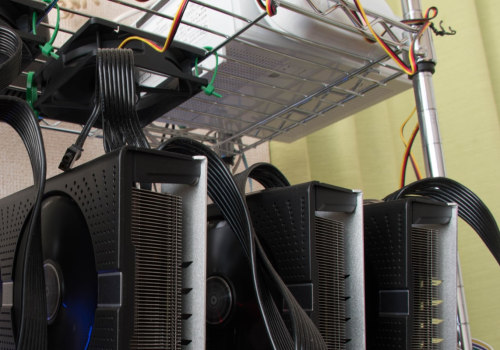
- ASIC Miners: Application-Specific Integrated Circuits (ASICs) are custom-built devices designed specifically for mining cryptocurrencies like Bitcoin. They offer high efficiency and performance compared to traditional CPUs or GPUs.
- GPUs: Graphics Processing Units can also be used for mining, although they are less efficient than ASICs for Bitcoin due to increased difficulty levels.
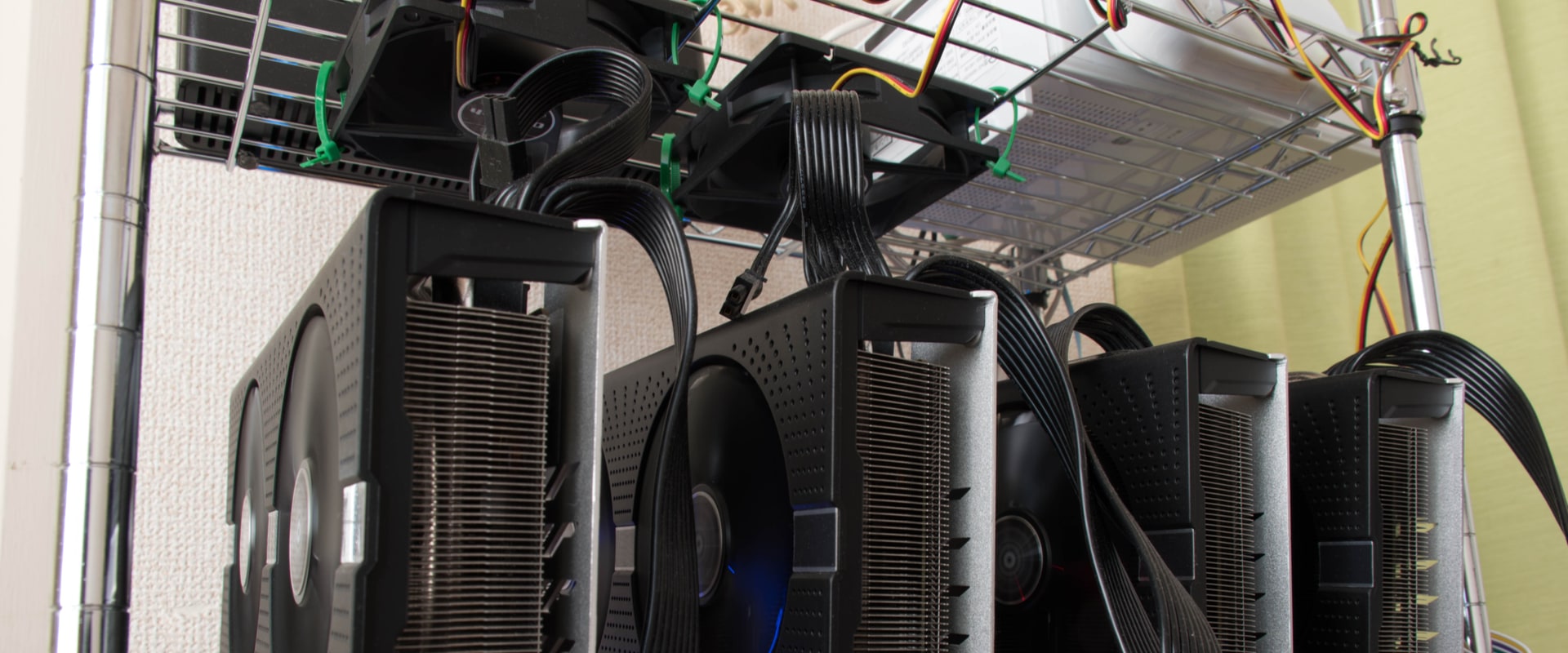
- Mining Rigs: A combination of multiple GPUs or ASICs set up in a dedicated system can significantly increase hash rates, improving chances of successfully mining a block.
This software facilitates communication between miners and helps manage their operations, including monitoring performance and tracking earnings. Overall, understanding the basics of Bitcoin mining is essential for anyone interested in participating in this digital currency ecosystem. As technology evolves and competition increases, staying informed about mining practices and hardware advancements will be crucial for success in this field.
Factors Influencing Mining Time
When considering how long it takes to mine 1 Bitcoin, several critical factors come into play. Understanding these elements can provide insight into the complexities of Bitcoin mining and help potential miners make informed decisions.- Mining Difficulty: The difficulty of mining Bitcoin is a dynamic metric that adjusts approximately every two weeks based on the total computational power of the network. As more miners join the network and contribute their hash rate, the difficulty increases.
This adjustment ensures that blocks are mined approximately every ten minutes. Consequently, higher difficulty means that it takes longer for any individual miner to solve the cryptographic puzzles required to add a new block to the blockchain.
- Hash Rate: The hash rate refers to the total computational power being used by miners to solve these puzzles. A higher hash rate increases the chances of successfully mining a block. For instance, if a miner has a hash rate that represents a significant portion of the total network hash rate, they are more likely to mine Bitcoin faster than those with lower hash rates.
However, achieving a competitive hash rate often requires substantial investment in specialized hardware.
- Competition Among Miners: The Bitcoin mining landscape is highly competitive. Thousands of miners are vying for the same block rewards, which means that even with efficient hardware and optimal conditions, individual miners may find it challenging to secure Bitcoin quickly. This competition can lead to longer wait times for solo miners compared to those who participate in mining pools, where resources and rewards are shared among multiple participants.
- Electricity Costs: Mining Bitcoin is energy-intensive, and electricity costs can significantly impact profitability. Miners must consider their local energy prices when calculating how long it will take to mine Bitcoin.
High electricity costs can deter miners from operating at full capacity, thereby extending the time required to mine a single Bitcoin.
- Hardware Efficiency: The type of mining hardware used also plays a crucial role in determining mining time. More efficient hardware can perform more calculations per second, increasing the likelihood of solving blocks faster. Miners using outdated or less efficient equipment may find themselves at a disadvantage in terms of both speed and profitability.
Mining Hardware: Choosing the Right Equipment
When it comes to mining Bitcoin at home, the choice of hardware is crucial.The two primary types of mining equipment are ASIC miners and GPU mining rigs, each with its own advantages and disadvantages.
ASIC Miners: The Powerhouses of Bitcoin Mining
Application-Specific Integrated Circuits (ASICs) are designed specifically for the purpose of mining Bitcoin. These devices are optimized for high efficiency and performance, making them the go-to choice for serious miners. Here are some key points to consider:- Efficiency: ASIC miners offer superior hash rates compared to other types of mining hardware. For instance, popular models like the Antminer S19 Pro can achieve hash rates exceeding 100 TH/s, which translates to faster block discovery.
- Energy Consumption: While ASICs are powerful, they also consume a significant amount of electricity.
It's essential to calculate the cost of electricity in your area to determine if mining with an ASIC is financially viable.
- Initial Investment: The upfront cost of ASIC miners can be high, often ranging from $2,000 to $10,000 or more, depending on the model and its capabilities.
GPU Mining: Flexibility and Versatility
Graphics Processing Units (GPUs) are another option for Bitcoin mining, although they are generally less efficient than ASICs for this specific cryptocurrency. However, they offer some unique benefits:- Diversification: GPUs can mine various cryptocurrencies beyond Bitcoin, allowing miners to switch between coins based on market conditions.
- Lower Entry Cost: Building a GPU mining rig can be more affordable than purchasing an ASIC miner. A decent setup may cost between $1,000 and $3,000.
- Availability: GPUs are often more readily available than ASIC miners, especially during periods of high demand.
However, if you prefer flexibility and a lower initial investment, a GPU mining rig may be more suitable. No matter which option you choose, understanding the capabilities and limitations of your mining hardware is essential for optimizing your Bitcoin mining efforts at home.
Electricity Costs and Their Impact on Mining Profitability
When considering the profitability of Bitcoin mining, one of the most significant factors to take into account is the cost of electricity. Mining Bitcoin is an energy-intensive process that requires specialized hardware to solve complex mathematical problems, which in turn consumes a substantial amount of power. As a result, electricity costs can greatly influence both the overall profitability of mining operations and the time it takes to mine a single Bitcoin. The energy consumption associated with Bitcoin mining varies depending on several factors, including the type of mining hardware used, the efficiency of that hardware, and the local cost of electricity. For instance, miners using older models may find their operations less profitable due to higher energy consumption rates compared to those utilizing the latest ASIC (Application-Specific Integrated Circuit) miners, which are designed for maximum efficiency.Understanding Energy Costs
Electricity prices can differ significantly from one region to another.In areas where electricity is cheap, miners can operate more profitably, allowing them to recover their initial investments more quickly. Conversely, in regions with high electricity costs, miners may struggle to break even, making it challenging to mine even a fraction of a Bitcoin.
- Fixed Costs: These include the monthly electricity bills that miners must pay regardless of their mining success.
- Variable Costs: These fluctuate based on the amount of power consumed during mining operations.
- Peak vs. Off-Peak Rates: Some regions offer lower rates during off-peak hours, which can be advantageous for miners who can schedule their operations accordingly.
Therefore, understanding local energy markets and optimizing energy usage is crucial for maximizing profitability. In summary, electricity costs play a pivotal role in determining how long it takes to mine a single Bitcoin. Miners must carefully evaluate their energy expenses against potential earnings from mined Bitcoin. By doing so, they can make informed decisions about whether to continue mining or seek alternative methods of investment within the cryptocurrency space.
Mining Pools vs. Solo Mining: Which is Better?
When it comes to mining Bitcoin, one of the most significant decisions a miner faces is whether to go solo or join a mining pool.Each approach has its own set of advantages and disadvantages that can greatly influence the time it takes to mine Bitcoin and the potential earnings.
Benefits of Mining Pools
Mining pools are groups of miners who combine their computational power to increase their chances of successfully mining Bitcoin. Here are some key benefits:- Increased Probability of Earning: By pooling resources, miners can solve blocks more frequently than they could alone. This means that even if individual contributions are small, the collective effort leads to more consistent payouts.
- Steady Income: Mining pools typically distribute rewards based on the amount of computational power contributed. This results in smaller, more frequent payments, which can provide a more stable income stream compared to the unpredictable nature of solo mining.
- Lower Risk: Joining a mining pool mitigates the risks associated with solo mining, where a miner may go long periods without earning any Bitcoin.
In a pool, even if one member doesn’t contribute significantly, others can still yield rewards.
Challenges of Solo Bitcoin Mining
While solo mining can be appealing due to the potential for higher rewards if successful, it comes with its own set of challenges:- High Difficulty Level: The current difficulty rate for mining Bitcoin is extremely high. A solo miner must possess a significant amount of hash power to compete effectively against larger operations and pools.
- Long Wait Times: The odds of successfully mining a block alone are slim, which means that it could take years before a solo miner earns their first Bitcoin. This long wait can be discouraging for many.
- Initial Investment: Solo miners need to invest heavily in specialized hardware and software. If they do not achieve success quickly, this investment may not pay off.
For those looking for steady returns and reduced risk, joining a mining pool may be the better option. Conversely, those willing to take on more risk for potentially higher rewards might find solo mining appealing, despite its challenges.
Realistic Expectations: How Long Does It Take to Mine 1 Bitcoin?
When considering the question of how long it takes to mine 1 Bitcoin at home, it's essential to understand that the timeframe can vary significantly based on several factors. The most critical elements include the mining hardware used, electricity costs, and the current difficulty level of the Bitcoin network. As of now, the average time for an individual miner to successfully mine a single Bitcoin can stretch into years. For instance, with the current network difficulty and using standard consumer-grade hardware, it could take anywhere from three to five years to mine just one Bitcoin.This estimate assumes that the miner is operating solo without joining a mining pool.
Mining Hardware Impact
The type of mining hardware plays a pivotal role in determining how quickly one can mine Bitcoin. High-performance ASIC (Application-Specific Integrated Circuit) miners are designed specifically for Bitcoin mining and can significantly reduce the time required to mine a Bitcoin. For example, a top-tier ASIC miner can produce around 100 TH/s (terahashes per second), which drastically increases the chances of solving a block compared to older models or consumer-grade GPUs.Electricity Costs and Efficiency
Another crucial factor is electricity consumption. Mining Bitcoin is energy-intensive, and miners must consider their electricity costs when calculating profitability.In regions where electricity is cheaper, miners can operate more efficiently and potentially increase their earnings. Conversely, high electricity costs can eat into profits and extend the time it takes to mine a Bitcoin.
Mining Pools vs. Solo Mining
Many miners opt to join mining pools, which allow them to combine their computational power with others. This collaboration increases the likelihood of successfully mining blocks and receiving rewards more frequently, albeit in smaller amounts.By participating in a mining pool, miners can expect to earn fractions of Bitcoin regularly rather than waiting years for a single block reward. In summary, while it is theoretically possible to mine 1 Bitcoin at home, realistic expectations should be set based on hardware capabilities, energy costs, and whether one chooses to mine solo or as part of a pool. The dynamic nature of the Bitcoin network means that these factors are continually changing, making it essential for prospective miners to stay informed about current statistics and trends in the mining landscape.
The Role of Market Conditions in Mining Timeframes
The profitability and time required to mine Bitcoin at home are significantly influenced by the prevailing market conditions. As the price of Bitcoin fluctuates, so too does the incentive for miners to invest in the necessary hardware and electricity costs associated with mining. Understanding these dynamics is crucial for anyone considering entering the world of Bitcoin mining. When Bitcoin prices are high, the potential rewards for miners increase, making it more attractive to invest in mining equipment.Conversely, during periods of low prices, many miners may find it challenging to cover their operational costs, leading to a decrease in mining activity. This fluctuation can create a ripple effect throughout the mining community.
Impact of Price Fluctuations
Price fluctuations can directly affect how long it takes to mine a single Bitcoin. For instance, if the price of Bitcoin rises significantly, miners may be more willing to invest in higher-performance hardware or increase their energy consumption to maximize their output. This increased competition can lead to a higher overall hash rate across the network, which in turn raises the difficulty level of mining. On the other hand, if Bitcoin's price drops sharply, many miners may choose to shut down their operations due to unprofitability.This reduction in competition can temporarily lower the network's hash rate, making it easier for remaining miners to find blocks and potentially decreasing the time required to mine Bitcoin.
Market Trends and Mining Strategies
Staying informed about market trends is essential for miners. For example, during bullish market trends where prices are expected to rise, miners might ramp up their operations in anticipation of higher future rewards. In contrast, during bearish trends, they may adopt more conservative strategies, such as joining mining pools or optimizing their existing setups to reduce costs. Additionally, external factors such as regulatory changes or technological advancements can also impact market conditions and subsequently influence mining timeframes. Miners who adapt quickly to these changes are often better positioned to succeed in a volatile market. In summary, understanding how market conditions affect Bitcoin mining is vital for anyone looking to mine at home.By keeping an eye on price fluctuations and market trends, miners can make informed decisions that optimize their chances of successfully mining Bitcoin while managing their operational costs effectively.
Future Trends in Bitcoin Mining: What Lies Ahead?
The landscape of Bitcoin mining is continuously evolving, driven by technological advancements and regulatory changes. As we look to the future, several trends are emerging that could significantly impact how long it takes to mine Bitcoin at home.Technological Advancements
One of the most significant factors influencing the future of Bitcoin mining is the rapid advancement in mining hardware. Newer models of ASIC (Application-Specific Integrated Circuit) miners are being developed with enhanced efficiency and processing power. These machines are designed to consume less energy while delivering higher hash rates, which can drastically reduce the time required to mine a single Bitcoin. Moreover, innovations in cooling technologies, such as immersion cooling, are becoming more prevalent.This method allows miners to operate their hardware at optimal temperatures, thereby increasing performance and longevity. As these technologies become more accessible, home miners may find it easier to compete with larger mining operations.
Energy Efficiency and Sustainability
Another trend shaping the future of Bitcoin mining is the growing emphasis on energy efficiency and sustainability. With increasing scrutiny over the environmental impact of cryptocurrency mining, many miners are seeking renewable energy sources. Solar, wind, and hydroelectric power are becoming popular alternatives that not only reduce carbon footprints but also lower electricity costs. As more miners adopt sustainable practices, the overall cost of mining could decrease, potentially shortening the time it takes to mine Bitcoin.Additionally, regulatory bodies may incentivize green energy use through tax breaks or subsidies, further encouraging miners to shift towards eco-friendly solutions.
Regulatory Changes
The regulatory environment surrounding Bitcoin mining is also expected to evolve. Governments worldwide are beginning to implement stricter regulations regarding energy consumption and environmental impact. These regulations could lead to increased operational costs for miners who do not comply. Conversely, favorable regulations could promote growth in the industry by providing clearer guidelines and support for miners. For instance, jurisdictions that offer tax incentives for cryptocurrency operations may attract more home miners, thus increasing competition and potentially reducing the time required to mine Bitcoin.The Role of Mining Pools
As the difficulty of mining continues to rise, many individual miners are turning to mining pools as a viable alternative.By joining forces with other miners, individuals can combine their computational power to increase their chances of successfully mining blocks. This collaborative approach not only enhances profitability but also reduces the time it takes to earn Bitcoin rewards. In conclusion, the future of Bitcoin mining is poised for significant transformation due to advancements in technology, a shift towards sustainable practices, and evolving regulations. These factors will play a crucial role in determining how long it takes for individual miners to successfully mine Bitcoin at home.
<strong>Conclusion</strong>
In summary, the journey to mine a single Bitcoin at home is fraught with challenges and complexities. While the allure of Bitcoin mining can be enticing, especially with the potential for significant financial rewards, it is essential to approach this endeavor with a clear understanding of the realities involved. The average time it takes to mine one Bitcoin can stretch into years, particularly for individual miners operating solo.With the current difficulty levels and competition from larger mining pools, the odds are stacked against those who attempt to go it alone. As highlighted earlier, the average miner may find themselves waiting nearly five years to achieve this goal, even when utilizing top-tier mining hardware. Moreover, the fluctuating nature of Bitcoin prices adds another layer of uncertainty. The profitability of mining operations can vary dramatically based on market conditions, energy costs, and changes in mining difficulty. This volatility means that potential miners must remain vigilant and adaptable to maximize their chances of success. For those considering entering the world of Bitcoin mining, joining a mining pool can be a more viable option.
By collaborating with other miners, individuals can combine their resources and increase their chances of earning Bitcoin more regularly. This approach not only mitigates some risks but also provides a more stable income stream compared to solo mining. Ultimately, whether you choose to mine Bitcoin at home or participate in a mining pool, it is crucial to conduct thorough research and understand the investment required—both in terms of time and financial resources. As the landscape of cryptocurrency continues to evolve, staying informed will be key to navigating this exciting yet unpredictable field.
Top Articles