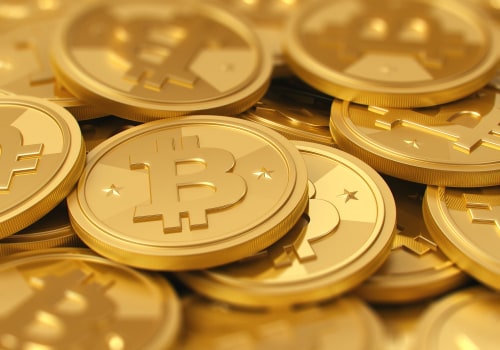
The Inevitable Decline of Bitcoin: An Expert Analysis
Explore the challenges facing Bitcoin's future, including volatility, regulation, and competition from fiat currencies and CBDCs.



Bitcoin, often hailed as the pioneer of cryptocurrencies, has captured the imagination of investors and technologists alike. However, beneath its glittering surface lies a myriad of challenges that threaten its long-term viability. As we delve into the complexities surrounding bitcoin, it becomes evident that its journey is fraught with obstacles that could ultimately lead to its downfall. Understanding these challenges is crucial for anyone looking to grasp the future of digital currencies. One of the most pressing issues facing bitcoin is its inherent volatility.
Unlike traditional currencies, which are typically backed by stable economic systems, bitcoin experiences wild price swings that can occur within hours. This unpredictability not only deters everyday consumers from using it as a medium of exchange but also raises concerns among businesses that might consider accepting it as payment. The fear of sudden devaluation makes bitcoin more appealing as an investment vehicle rather than a reliable currency. Moreover, the lack of regulatory oversight presents another significant hurdle. While some argue that this decentralization is a strength, it also leaves bitcoin vulnerable to manipulation and fraud.
Without a governing body to enforce rules and protect consumers, the potential for abuse increases, leading to skepticism among potential users and investors. As governments around the world grapple with how to regulate cryptocurrencies, the uncertainty surrounding bitcoin's legal status only adds to its challenges. As we explore further into the reasons behind bitcoin's potential failure, it is essential to consider not just its financial implications but also its technological limitations and societal acceptance. The landscape of digital currencies is evolving rapidly, and while bitcoin may have been at the forefront initially, emerging technologies and alternative cryptocurrencies are beginning to challenge its dominance. This section sets the stage for a comprehensive analysis of why many experts believe that despite its initial promise, bitcoin may ultimately fall short of becoming a sustainable financial solution.
The Volatility of Bitcoin: A Double-Edged Sword
The volatility of Bitcoin is one of the most discussed aspects of this cryptocurrency, and for good reason.Unlike traditional currencies, which tend to have relatively stable values, Bitcoin experiences dramatic price fluctuations that can occur within a matter of hours or even minutes. This unpredictability poses significant challenges for both consumers and investors. One of the primary reasons for Bitcoin's volatility is its limited supply. With a maximum cap of 21 million coins, any increase in demand can lead to substantial price surges. Conversely, if sentiment shifts or negative news emerges, the price can plummet just as quickly.
For instance, a single tweet from a high-profile individual can send Bitcoin's value soaring or crashing, illustrating how sensitive the market is to external influences. Moreover, the cryptocurrency market itself is still relatively young and lacks the depth and liquidity found in more established financial markets. This means that even small trades can have outsized effects on Bitcoin's price. As a result, investors often find themselves in a precarious position where their assets can lose significant value overnight. For businesses considering accepting Bitcoin as a form of payment, this volatility presents a major hurdle. The risk of accepting a payment that could lose value before it is converted into fiat currency makes it difficult for merchants to operate profitably.
Many sellers are hesitant to accept Bitcoin due to the fear that they may end up losing money if the value drops shortly after the transaction. Additionally, the psychological aspect of Bitcoin price fluctuations cannot be overlooked. Investors often react emotionally to market changes, leading to panic selling or irrational buying sprees. This behavior further exacerbates volatility and creates an unstable environment for anyone looking to invest in or use Bitcoin. In conclusion, while some may view Bitcoin's volatility as an opportunity for high returns, it also represents a significant risk that undermines its potential as a reliable currency and investment vehicle. Understanding these dynamics is crucial for anyone considering involvement in the world of cryptocurrencies.
Lack of Regulation: The Wild West of Cryptocurrency
The landscape of cryptocurrency, particularly bitcoin, is often described as a wild west due to the glaring absence of regulatory frameworks.This lack of oversight raises significant concerns regarding investor protection and market stability, both of which are crucial for the long-term viability of any financial system. One of the primary issues stemming from the absence of regulation is the heightened risk for investors. Without a governing body to enforce rules and standards, investors in bitcoin are left vulnerable to fraud, scams, and market manipulation. For instance, numerous cases have emerged where individuals have lost substantial amounts of money due to Ponzi schemes or fake exchanges that exploit the unregulated nature of cryptocurrencies. The decentralized nature of bitcoin means that once funds are lost, there is often little recourse for recovery. Moreover, the lack of regulatory oversight can lead to extreme market volatility.
In traditional financial markets, regulations help stabilize prices and protect against sudden crashes. However, in the world of bitcoin, prices can swing dramatically within hours based on speculation or news events. This unpredictability not only deters potential investors but also undermines confidence in bitcoin as a legitimate store of value. Additionally, the absence of clear cryptocurrency laws complicates tax compliance for investors. Many jurisdictions have yet to establish comprehensive guidelines on how cryptocurrencies should be treated for tax purposes.
This ambiguity can lead to unintentional tax evasion or penalties for investors who are unsure about their obligations. Furthermore, governments around the world are beginning to recognize the need for regulation in the cryptocurrency space. Some countries have implemented measures aimed at curbing illegal activities associated with bitcoin, such as money laundering and terrorist financing. However, these regulations vary significantly from one jurisdiction to another, creating a patchwork of laws that can confuse investors and businesses alike. In conclusion, the lack of regulation in the bitcoin market poses serious risks to investors and threatens overall market stability. As governments grapple with how to approach cryptocurrency regulation, it remains uncertain whether a cohesive framework will emerge that can effectively address these challenges while fostering innovation in this rapidly evolving space.
Bitcoin vs.
Fiat Currency: The Competition for Dominance When examining the landscape of modern finance, the competition between Bitcoin and traditional fiat currencies becomes increasingly relevant. While Bitcoin has garnered significant attention as a revolutionary digital currency, its potential to replace fiat money as a mainstream payment method is fraught with challenges. One of the primary distinctions between Bitcoin and fiat currencies lies in their inherent nature. Fiat currencies, such as the US dollar or the euro, are government-issued and backed by the trust and authority of their respective nations. This backing provides a level of stability and predictability that Bitcoin lacks.
The value of fiat money is relatively stable due to regulatory frameworks and monetary policies that govern its supply and demand. In contrast, Bitcoin operates on a decentralized network, which means it is not controlled by any single entity or government. While this decentralization is often touted as an advantage, it also contributes to Bitcoin's notorious volatility. Prices can swing dramatically within short periods, making it difficult for consumers and businesses to rely on it for everyday transactions. For instance, a coffee shop accepting Bitcoin may find that the price of a cup of coffee could change significantly from the time a customer orders to when they pay. Moreover, the transaction speed and costs associated with Bitcoin can be prohibitive compared to traditional payment methods.
While fiat transactions can be processed almost instantaneously through established banking systems, Bitcoin transactions can take longer due to network congestion and require higher fees during peak times. This inefficiency poses a significant barrier for businesses considering adopting Bitcoin as a payment option. Another critical factor in this comparison is the regulatory environment surrounding both forms of currency. Fiat currencies are subject to strict regulations that help prevent fraud, money laundering, and other illicit activities. Governments can track transactions, ensuring accountability and security within their financial systems.
Conversely, Bitcoin's pseudonymous nature makes it challenging for authorities to monitor transactions effectively, raising concerns about its use in illegal activities. As we look toward the future of money, it becomes evident that while Bitcoin may serve as an alternative investment or a speculative asset, its role as a mainstream payment method remains uncertain. The rapid digitization of fiat currencies through initiatives like central bank digital currencies (CBDCs) further complicates Bitcoin's position. CBDCs aim to combine the benefits of digital currency with the stability and regulatory oversight of traditional fiat systems. In conclusion, while Bitcoin has made significant strides in popularizing digital currency concepts, its limitations compared to fiat currencies suggest that it may never fully replace them in everyday transactions. The inherent volatility, regulatory challenges, and inefficiencies associated with Bitcoin highlight why traditional currencies will likely continue to dominate the financial landscape for the foreseeable future.
Technological Limitations: Scalability and Energy Consumption
One of the most pressing challenges facing Bitcoin is its scalability.As the number of transactions increases, the Bitcoin network struggles to process them efficiently. Currently, Bitcoin can handle approximately seven transactions per second, a stark contrast to traditional payment systems like Visa, which can process thousands of transactions in the same timeframe. This limitation leads to significant delays and higher transaction fees during peak times, making it less practical for everyday use. The underlying technology of Bitcoin, known as blockchain, is inherently limited in its capacity to scale. Each transaction must be verified by miners, who compete to solve complex mathematical problems.
This process not only takes time but also requires substantial computational power. As more users join the network, the competition intensifies, leading to longer confirmation times and increased costs for users who want their transactions prioritized. Moreover, the issue of energy consumption cannot be overlooked. The Bitcoin mining process is notoriously energy-intensive, consuming more electricity than some small countries. According to estimates, Bitcoin mining operations consume around 100 terawatt-hours annually.
This staggering figure raises concerns about the environmental impact of Bitcoin and its sustainability as a long-term solution. Critics argue that the energy required for mining could be better utilized in other sectors, especially as global awareness of climate change grows. The reliance on fossil fuels for electricity in many mining operations further exacerbates this issue, leading to a negative perception of Bitcoin among environmentally conscious investors and regulators. In response to these challenges, various solutions have been proposed, such as the implementation of the Lightning Network, which aims to facilitate faster transactions by creating off-chain payment channels. However, these solutions are still in their infancy and have yet to gain widespread adoption. In conclusion, while Bitcoin has garnered significant attention and investment, its technological limitations pose serious questions about its viability as a long-term currency. The issues of scalability and energy consumption not only hinder its potential for mass adoption but also raise ethical concerns regarding its environmental impact.
Without substantial advancements in technology or a shift in how transactions are processed, Bitcoin may struggle to fulfill its promise as a sustainable financial solution.
Security Concerns: Hacks and Fraud in the Crypto Space
When discussing bitcoin and its viability as a currency, one cannot overlook the significant security concerns that plague the cryptocurrency landscape. The decentralized nature of bitcoin, while appealing to many, also opens the door to a myriad of security vulnerabilities that can lead to devastating financial losses for investors. One of the most alarming aspects of bitcoin security is the prevalence of hacks and fraud. Over the years, numerous high-profile exchanges and wallets have fallen victim to cyberattacks, resulting in millions of dollars worth of bitcoin being stolen. For instance, the infamous Mt.Gox hack in 2014 saw approximately 850,000 bitcoins vanish into thin air, a loss that has never been fully recovered. Such incidents not only erode trust in the system but also highlight the inherent risks associated with storing and trading bitcoin. Moreover, the lack of regulatory oversight in the cryptocurrency space exacerbates these security issues. Unlike traditional banking systems that are subject to strict regulations and consumer protections, bitcoin transactions are largely unregulated. This means that if an investor falls victim to fraud or theft, there is often little recourse available.
The anonymity provided by bitcoin can also facilitate illicit activities, making it a preferred choice for cybercriminals. To mitigate these risks, it is crucial for investors to adopt robust security measures when dealing with bitcoin. Here are some essential tips for fraud prevention in the crypto space:
- Use Hardware Wallets: Storing bitcoins in hardware wallets rather than on exchanges can significantly reduce the risk of hacks.
- Enable Two-Factor Authentication: Always activate two-factor authentication on your accounts to add an extra layer of security.
- Be Wary of Phishing Scams: Always verify URLs and be cautious about unsolicited communications asking for personal information.
- Keep Software Updated: Regularly update your wallet software and any applications related to your bitcoin transactions to protect against vulnerabilities.
The Environmental Impact of Bitcoin Mining
Bitcoin mining has garnered significant attention not only for its economic implications but also for its profound environmental impact.The process of mining Bitcoin involves solving complex mathematical problems, which requires substantial computational power. This, in turn, leads to a massive consumption of electricity, often sourced from fossil fuels, contributing to greenhouse gas emissions. According to various studies, the energy consumption of Bitcoin mining rivals that of entire countries. For instance, the Cambridge Centre for Alternative Finance estimates that Bitcoin's annual energy consumption is comparable to that of the Netherlands. This staggering figure raises critical questions about the sustainability of cryptocurrency as a whole.
Carbon Footprint and Resource Depletion
The carbon footprint associated with Bitcoin mining is alarming.As miners seek cheaper electricity, many set up operations in regions where coal is the primary energy source. This reliance on non-renewable energy not only exacerbates climate change but also leads to resource depletion in these areas. The environmental degradation caused by mining operations can have lasting effects on local ecosystems and communities.
Public Perception and Regulatory Response
The environmental concerns surrounding Bitcoin mining have begun to influence public perception significantly. As awareness grows about the ecological consequences of cryptocurrency, there is increasing pressure on regulators to take action.Some governments are already considering or implementing restrictions on Bitcoin mining activities, particularly in regions where energy resources are scarce or heavily reliant on fossil fuels. For example, in 2021, China imposed a crackdown on Bitcoin mining due to its high energy consumption and environmental impact. This move not only affected miners operating within China but also sent ripples through the global cryptocurrency market, highlighting how regulatory actions can swiftly alter the landscape of Bitcoin.
Exploring Eco-Friendly Alternatives
In light of these environmental challenges, there is a growing interest in eco-friendly alternatives to traditional Bitcoin mining. Innovations such as proof-of-stake (PoS) mechanisms and other consensus algorithms require significantly less energy than the proof-of-work (PoW) model used by Bitcoin. Cryptocurrencies like Ethereum are transitioning to PoS to mitigate their environmental impact. Moreover, some projects are exploring ways to harness renewable energy sources for mining operations.By utilizing solar, wind, or hydroelectric power, miners can reduce their carbon footprint and contribute to a more sustainable future for cryptocurrency. In conclusion, while Bitcoin has revolutionized the financial landscape, its environmental impact cannot be overlooked. As sustainability becomes a priority in global discussions, addressing the ecological consequences of Bitcoin mining will be crucial for its long-term viability and acceptance.
Public Perception and Media Influence on Bitcoin's Future
The public perception of bitcoin plays a crucial role in shaping its future. As a digital currency that has garnered both fervent supporters and staunch critics, the way people view bitcoin can significantly influence its adoption and longevity. The narratives surrounding bitcoin are often shaped by media coverage, which can either bolster its reputation or contribute to skepticism. One of the primary factors affecting public perception is the portrayal of bitcoin in mainstream media.Positive stories about individuals who have made substantial profits from investing in bitcoin can create a sense of excitement and encourage new investors to enter the market. Conversely, negative coverage—such as reports on scams, hacks, or regulatory crackdowns—can instill fear and hesitation among potential users. This dichotomy in media representation can lead to a volatile public sentiment that mirrors the price fluctuations of bitcoin itself.
The Role of Social Media
Social media platforms have also become significant players in shaping the narrative around bitcoin. Influencers and thought leaders in the cryptocurrency space often share their insights and predictions, which can sway public opinion rapidly.For instance, a tweet from a high-profile figure can lead to immediate spikes or drops in bitcoin's value, demonstrating how susceptible the market is to public sentiment.
Reputation Issues
Bitcoin's reputation has been marred by its association with illegal activities, such as money laundering and drug trafficking. These associations can deter mainstream adoption, as potential users may view bitcoin as a tool for illicit behavior rather than a legitimate currency. Furthermore, high-profile incidents involving exchanges being hacked or investors losing their funds can reinforce negative perceptions. To counteract these reputation issues, advocates for bitcoin often emphasize its potential benefits, such as decentralization, security, and financial inclusion. However, these positive aspects must compete with the prevailing narratives that dominate media coverage. Ultimately, the future of bitcoin will be heavily influenced by how it is perceived by the public and portrayed in the media.As narratives evolve and new developments arise, both investors and everyday users will continue to navigate this complex landscape shaped by perception and influence.
Expert Opinions: Why Analysts Predict Bitcoin's Downfall
As the cryptocurrency landscape continues to evolve, a growing number of analysts and financial experts are voicing their concerns about the future of bitcoin. Their insights provide a multifaceted view of why they believe this digital currency may ultimately face significant challenges. One prominent voice in the financial community is Peter Schiff , a well-known economist and financial commentator. Schiff argues that bitcoin lacks intrinsic value, stating, "Unlike gold, which has been a store of value for thousands of years, bitcoin is merely a digital representation of value without any physical backing." He emphasizes that as more investors realize this fundamental flaw, the demand for bitcoin will diminish, leading to a potential collapse in its price. Another expert, Robert Shiller , a Nobel Prize-winning economist, has expressed skepticism about the long-term viability of bitcoin. In his view, the speculative nature of cryptocurrency investments resembles historical bubbles, such as the dot-com bubble of the late 1990s.Shiller warns that as interest rates rise and market conditions change, many investors may flee from bitcoin, resulting in a sharp decline in its value.
Mark Cuban
, billionaire entrepreneur and investor, has also weighed in on the subject. While he acknowledges that bitcoin has gained traction as an asset class, he believes it will struggle to become a widely accepted medium of exchange. Cuban points out that transaction fees and processing times can be prohibitive compared to traditional payment systems. He states, "For bitcoin to succeed as a currency, it needs to be faster and cheaper than existing options, which it currently is not." This sentiment echoes concerns about bitcoin's practicality in everyday transactions.
The regulatory landscape surrounding cryptocurrencies is another area of concern for experts.
Christine Lagarde , President of the European Central Bank, has highlighted the need for stricter regulations on digital currencies. She argues that without proper oversight, bitcoin could facilitate illicit activities and pose risks to financial stability. Lagarde's perspective underscores the potential for governments to impose regulations that could stifle bitcoin's growth and adoption. In summary, expert opinions on bitcoin's future paint a cautionary picture. From concerns about its lack of intrinsic value to challenges regarding its practicality as a currency and potential regulatory hurdles, analysts are increasingly skeptical about whether bitcoin can sustain its current trajectory.
As these voices continue to emerge, they contribute to a broader understanding of the risks associated with investing in this volatile digital asset.
Conclusion: The Future of Bitcoin in Question
As we reflect on the myriad challenges facing Bitcoin, it becomes increasingly clear that its future is fraught with uncertainty. The arguments presented throughout this article highlight significant obstacles that could hinder its long-term viability as a mainstream currency. Firstly, the inherent volatility of Bitcoin cannot be overstated. Its price fluctuations create an environment where it is more akin to a speculative asset than a stable currency. This unpredictability discourages everyday transactions, as both consumers and merchants are hesitant to engage in exchanges that could lead to substantial financial losses.The very nature of a currency is to facilitate trade, yet Bitcoin's erratic behavior undermines this fundamental purpose. Moreover, the lack of regulatory oversight presents another formidable barrier. Unlike traditional currencies, which are backed by governments and subject to strict regulations, Bitcoin operates in a largely unregulated space. This absence of oversight not only raises concerns about security and fraud but also complicates the ability of authorities to intervene in cases of misuse or theft. As seen in various high-profile cyberattacks, the anonymity associated with Bitcoin can facilitate illicit activities, further tarnishing its reputation. Additionally, the competition from emerging digital currencies and the evolution of fiat money into digital formats pose a significant threat to Bitcoin.
As governments around the world explore Central Bank Digital Currencies (CBDCs), the advantages that Bitcoin once held may diminish. CBDCs promise the stability and trustworthiness that Bitcoin currently lacks, potentially leading consumers and businesses to favor these government-backed alternatives. In conclusion, while Bitcoin has captured the imagination of many and has certainly made waves in the financial world, its future remains uncertain. The combination of volatility, regulatory challenges, and competition from digital currencies suggests that it may struggle to achieve widespread acceptance as a reliable form of payment or store of value. As we move forward, it is essential for investors and users alike to remain vigilant and critically assess the evolving landscape of digital currencies.
Top Articles