Understanding Bitcoin: A Comprehensive Guide to the World of Cryptocurrency
Explore Bitcoin's history, technology, and investment potential in this comprehensive guide to the world of cryptocurrency.



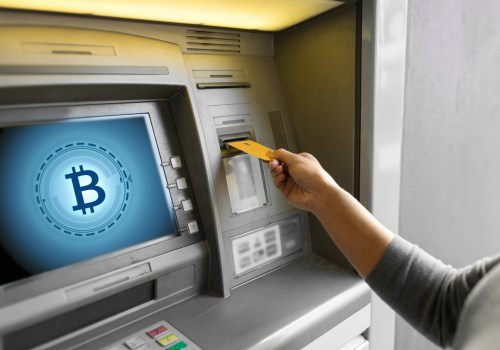
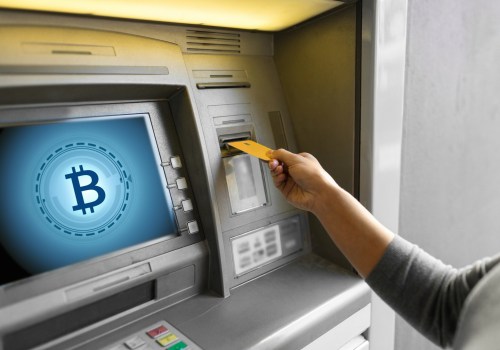
Bitcoin, often heralded as the pioneer of digital currencies, represents a groundbreaking shift in how we perceive and utilize money. Unlike traditional currencies that are issued and regulated by central authorities, Bitcoin operates on a decentralized network, allowing users to transact directly with one another without the need for intermediaries like banks. This innovative approach not only enhances privacy but also empowers individuals by giving them full control over their financial assets. Understanding Bitcoin Loans Can You Get a better grasp of how this digital currency can be leveraged for financial opportunities. At its core, Bitcoin is a form of Bitcoin, often heralded as the pioneer of digital currencies, represents a groundbreaking shift in how we perceive and utilize money. Unlike traditional currencies that are issued and regulated by central authorities, Bitcoin operates on a decentralized network, allowing users to transact directly with one another without the need for intermediaries like banks. This innovative approach not only enhances privacy but also empowers individuals by giving them full control over their financial assets. Understanding Bitcoin Loans Can You Get a better grasp of how this digital currency can be leveraged for financial opportunities. At its core, Bitcoin is a form of cryptocurrency , which means it relies on cryptographic techniques to secure transactions and control the creation of new units.
The underlying technology that makes Bitcoin possible is known as blockchain—a distributed ledger that records all transactions across a network of computers. This ensures transparency and security, as every transaction is publicly verifiable while maintaining user anonymity through unique cryptographic addresses. The significance of Bitcoin extends beyond its technical framework; it embodies a philosophical shift towards financial independence and autonomy. In an era where economic systems are often marred by inflation, government intervention, and banking fees, Bitcoin offers an alternative that is not only deflationary in nature but also resistant to censorship. With a capped supply of 21 million coins, Bitcoin introduces the concept of scarcity to the digital realm, making it an attractive store of value akin to precious metals. As we delve deeper into the world of Bitcoin, it becomes essential to understand its implications on both personal finance and the broader economic landscape.
From its inception in 2009 by the enigmatic Satoshi Nakamoto to its current status as a global phenomenon, Bitcoin has sparked discussions about the future of money, investment strategies, and even regulatory frameworks. This comprehensive guide aims to unravel the complexities surrounding Bitcoin, equipping you with the knowledge needed to navigate this exciting yet challenging financial frontier.
The History of Bitcoin
The inception of Bitcoin can be traced back to a whitepaper published in 2008 by an individual or group using the pseudonym Satoshi Nakamoto. This document, titled "Bitcoin: A Peer-to-Peer Electronic Cash System," outlined a vision for a decentralized digital currency that would allow for peer-to-peer transactions without the need for intermediaries like banks. The motivation behind this revolutionary idea stemmed from the financial crisis of 2008, which exposed vulnerabilities in traditional banking systems and highlighted the need for a more secure and transparent form of currency. In January 2009, Nakamoto mined the first block of the Bitcoin blockchain, known as the "genesis block." This marked the official launch of Bitcoin as a functioning currency.The genesis block contained a hidden message referencing a headline from The Times newspaper, which read: "Chancellor on brink of second bailout for banks." This message served as a critique of the existing financial system and underscored Bitcoin's purpose as an alternative. Throughout its early years, Bitcoin was primarily used by tech enthusiasts and libertarians who valued its potential to disrupt traditional financial systems. In 2010, Bitcoin gained significant attention when it was used for the first real-world transaction: two pizzas were purchased for 10,000 bitcoins, marking a pivotal moment in its history. This event is now celebrated annually as "Bitcoin Pizza Day." As Bitcoin began to gain traction, several key milestones shaped its evolution:
- 2011: Other cryptocurrencies began to emerge, leading to increased competition and innovation within the space.
- 2013: Bitcoin reached a value of $1,000 for the first time, attracting media attention and new investors.
-
2014: The infamous Mt. Gox exchange was hacked, resulting in the loss of approximately 850,000 bitcoins.
This incident raised concerns about security and regulation in the cryptocurrency market.
- 2017: Bitcoin experienced a massive price surge, reaching an all-time high of nearly $20,000 in December. This boom brought mainstream awareness and led to increased interest from institutional investors.
- 2020-2021: The COVID-19 pandemic accelerated interest in digital assets as people sought alternative investments amid economic uncertainty. Major companies began accepting Bitcoin as payment, further legitimizing its use.
As we look ahead, Bitcoin continues to evolve, driven by technological advancements and growing acceptance across various sectors.
How Bitcoin Works
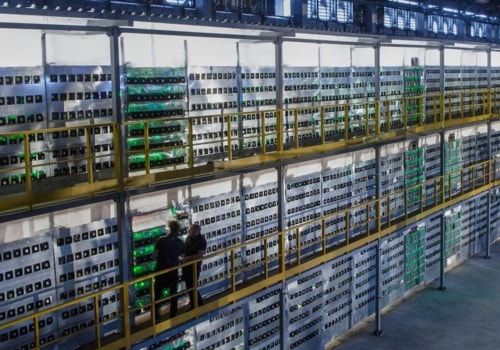
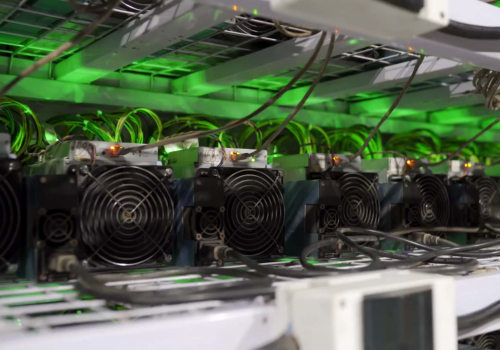
To understand how Bitcoin operates, it is essential to grasp the underlying technology that powers it: blockchain. At its core, a blockchain is a decentralized ledger that records all transactions across a network of computers. This ledger is not stored in a single location; instead, it is distributed among all participants in the network, ensuring transparency and security. When a user initiates a Bitcoin transaction, the process begins with the creation of a transaction request. This request includes details such as the sender's and receiver's Bitcoin addresses and the amount being transferred.Once initiated, this transaction is broadcasted to the Bitcoin network, where it awaits confirmation. Transactions are grouped together into blocks by miners, who are individuals or entities that use powerful computers to solve complex mathematical problems. This process is known as mining. Each block contains a list of transactions, a reference to the previous block, and a unique cryptographic hash. The hash serves as a digital fingerprint for the block, ensuring its integrity and linking it to the preceding block in the chain. Once a miner successfully solves the mathematical puzzle associated with a block, they add it to the blockchain.
This addition is significant because it confirms all transactions within that block as valid. The miner is then rewarded with newly created bitcoins and transaction fees from users who initiated transactions within that block. The decentralized nature of blockchain technology means that no single entity has control over the entire network. Instead, consensus mechanisms are employed to validate transactions. In Bitcoin's case, this is achieved through a process called Proof of Work (PoW).
Miners compete to solve puzzles, and only the first one to succeed gets to add their block to the chain. This competition not only secures the network but also makes it incredibly difficult for malicious actors to alter transaction history. Moreover, each transaction on the Bitcoin network is pseudonymous; while all transactions are publicly recorded on the blockchain, they are linked to unique Bitcoin addresses rather than personal identities. This feature provides a level of privacy while still maintaining transparency. In summary, understanding how Bitcoin works involves recognizing the critical roles played by blockchain technology and mining. The combination of these elements ensures secure, transparent, and decentralized transactions that form the backbone of this innovative digital currency.
Bitcoin Wallets: Storing Your Cryptocurrency
To effectively manage and utilize your bitcoin, understanding the concept of a bitcoin wallet is crucial.A bitcoin wallet is a digital tool that allows you to store, send, and receive bitcoins securely. Unlike traditional wallets that hold physical currency, a bitcoin wallet stores your private and public keys, which are essential for conducting transactions on the blockchain. There are several types of bitcoin wallets, each with its own advantages and disadvantages:
- Hardware Wallets: These are physical devices designed to securely store your bitcoins offline. Hardware wallets, such as the Ledger Nano S or Trezor, provide a high level of security against online threats. They are ideal for long-term storage and are less susceptible to hacking since they are not connected to the internet.
-
Software Wallets: These wallets come in various forms, including desktop, mobile, and web-based applications.
Software wallets are more convenient for daily transactions but can be vulnerable to malware and hacking if not properly secured. Popular software wallets include Exodus and Electrum.
- Paper Wallets: A paper wallet is a physical printout of your bitcoin keys. It is one of the most secure methods of storing bitcoins since it is completely offline. However, it requires careful handling; if the paper is lost or damaged, access to your bitcoins can be permanently lost.
For instance, if you intend to hold a significant amount of bitcoin for an extended period, a hardware wallet may be the best option due to its enhanced security. Using a bitcoin wallet involves several steps:
- Download or Purchase: Depending on the type of wallet you choose, download the software or purchase the hardware device.
- Create Your Wallet: Follow the instructions to set up your wallet. This usually involves generating a new address and securing it with a strong password.
- Backup Your Wallet: Always create a backup of your wallet's private keys or seed phrase. This ensures that you can recover your funds in case of loss or theft.
- Transfer Bitcoins: Once your wallet is set up, you can transfer bitcoins from an exchange or another wallet by entering your wallet address.
Buying and Selling Bitcoin
Entering the world of Bitcoin can be both exciting and daunting, especially when it comes to buying and selling this digital currency.Understanding the process is crucial for anyone looking to invest in or utilize Bitcoin. Here’s a comprehensive guide to help you navigate through the buying and selling of Bitcoin.
How to Buy Bitcoin
The first step in acquiring Bitcoin is choosing a reliable platform. Here are some key factors to consider:- Type of Exchange: There are two main types of exchanges: centralized and decentralized. Centralized exchanges, like Coinbase and Binance, act as intermediaries, while decentralized exchanges (DEXs) allow peer-to-peer transactions without a middleman.
- Security Features: Look for exchanges that offer robust security measures, such as two-factor authentication (2FA), cold storage for funds, and insurance against breaches.
-
User Experience: A user-friendly interface can make the buying process smoother, especially for beginners.
Check reviews and ratings to gauge the experience of other users.
- Fees: Different exchanges have varying fee structures. Be sure to understand trading fees, withdrawal fees, and any other costs associated with buying Bitcoin.
You can choose between a market order, which buys at the current market price, or a limit order, which allows you to set a specific price at which you want to buy.
Selling Bitcoin
When it comes time to sell your Bitcoin, the process is similar but requires some additional considerations:- Choosing the Right Time: Monitor market trends and news that could affect Bitcoin’s price. Timing your sale can significantly impact your profits.
- Selecting an Exchange: You can sell Bitcoin on the same exchange where you bought it or choose another platform that offers better rates or lower fees.
- Withdrawal Options: After selling your Bitcoin, decide how you want to withdraw your funds. Options may include bank transfers or converting your Bitcoin into another cryptocurrency.
The Benefits and Risks of Investing in Bitcoin
Investing in Bitcoin has garnered significant attention over the past decade, attracting both seasoned investors and newcomers to the world of cryptocurrency.Understanding the benefits and risks associated with this digital asset is crucial for anyone considering an investment.
Benefits of Bitcoin Investment
- High Potential Returns: One of the most appealing aspects of investing in Bitcoin is its potential for substantial returns. Historically, Bitcoin has experienced dramatic price increases, making early investors very wealthy. For instance, those who invested in Bitcoin during its inception saw returns that far exceeded traditional investments.
- Decentralization: Bitcoin operates on a decentralized network, meaning it is not controlled by any government or financial institution. This decentralization can provide a sense of security and independence from traditional banking systems.
-
Inflation Hedge: With a capped supply of 21 million coins, Bitcoin is often viewed as a hedge against inflation.
Unlike fiat currencies that can be printed at will, Bitcoin's scarcity can help preserve value over time.
- Global Accessibility: Bitcoin can be accessed and used by anyone with an internet connection, making it a truly global currency. This accessibility opens up investment opportunities for individuals in countries with unstable economies or limited access to banking services.
- Portfolio Diversification: Including Bitcoin in an investment portfolio can provide diversification benefits. As a non-correlated asset, Bitcoin may perform differently than traditional stocks and bonds, potentially reducing overall portfolio risk.
Risks of Bitcoin Investment
-
Volatility: The price of Bitcoin is notoriously volatile. While this volatility can lead to high returns, it also poses significant risks.
Investors may experience substantial losses if they are not prepared for sudden market fluctuations.
- Lack of Regulation: The cryptocurrency market is still relatively unregulated compared to traditional financial markets. This lack of oversight can lead to fraudulent schemes and scams, putting investors at risk.
- Security Concerns: While the blockchain technology behind Bitcoin is secure, individual wallets can be vulnerable to hacking. Investors must take precautions to protect their assets, such as using hardware wallets and enabling two-factor authentication.
- Pseudonymity: Transactions made with Bitcoin are pseudonymous, meaning they are not directly linked to personal identities. While this offers privacy benefits, it can also attract illicit activities and regulatory scrutiny.
-
Market Sentiment: The value of Bitcoin can be heavily influenced by market sentiment and news events.
Negative press or regulatory changes can lead to rapid declines in price, impacting investor confidence.
Bitcoin's Impact on the Financial System
Bitcoin has emerged as a transformative force within the financial system, challenging traditional banking practices and reshaping our understanding of money. As a decentralized digital currency, Bitcoin operates independently of central banks and governments, which has significant implications for the global economy. One of the most profound impacts of Bitcoin on finance is its ability to facilitate peer-to-peer transactions without the need for intermediaries. This not only reduces transaction costs but also increases transaction speed, making it an attractive option for individuals and businesses alike.For instance, international remittances that typically take days to process through banks can be completed in minutes using Bitcoin. Moreover, Bitcoin's limited supply —capped at 21 million coins—introduces a new paradigm of scarcity in the digital age. This characteristic positions Bitcoin as a potential hedge against inflation, particularly in economies where fiat currencies are subject to devaluation. Investors are increasingly viewing Bitcoin as "digital gold," a store of value that can withstand economic turbulence. As Bitcoin gains traction, it is also prompting traditional financial institutions to adapt. Major banks and investment firms are beginning to explore blockchain technology and cryptocurrency services, recognizing the need to innovate in response to changing consumer preferences.
Some institutions have even started offering Bitcoin custody services, allowing clients to securely hold their digital assets. However, the rise of Bitcoin is not without challenges. Regulatory scrutiny is intensifying as governments seek to understand and control this new financial landscape. Issues such as money laundering , tax evasion, and consumer protection are at the forefront of discussions surrounding cryptocurrency regulation. The future of Bitcoin will likely depend on how effectively these challenges are addressed while still fostering innovation. Looking ahead, the potential for Bitcoin to redefine the future of money is immense.
As more merchants begin to accept Bitcoin as a form of payment and as technological advancements improve its scalability and usability, we may witness a shift towards a more decentralized financial ecosystem. This evolution could lead to greater financial inclusion, particularly in underbanked regions where access to traditional banking services is limited. In conclusion, Bitcoin's impact on the financial system is multifaceted and far-reaching. It challenges existing norms, encourages innovation within traditional finance, and presents both opportunities and risks that will shape the future of money.
Legal and Regulatory Considerations for Bitcoin Users
As Bitcoin continues to gain traction as a legitimate form of currency, understanding the legal and regulatory landscape surrounding it is essential for users. The legal status of Bitcoin varies significantly across different jurisdictions, which can impact how individuals and businesses interact with this cryptocurrency. In the United States, Bitcoin is classified as a commodity by the Commodity Futures Trading Commission (CFTC).This classification means that Bitcoin is subject to certain regulations, particularly concerning trading and investment. However, the regulatory framework is still evolving, with various states implementing their own laws regarding cryptocurrency transactions. For instance, New York has established a BitLicense framework that requires businesses dealing in virtual currencies to obtain a license, ensuring compliance with anti-money laundering (AML) and consumer protection laws. Internationally, the legal status of Bitcoin can be even more complex. In some countries, such as Japan, Bitcoin is recognized as legal tender, allowing it to be used for payments in a manner similar to traditional currencies.
Conversely, nations like China have imposed strict regulations on cryptocurrency trading and initial coin offerings (ICOs), effectively banning them in an effort to control financial risks. Users must also be aware of tax implications when dealing with Bitcoin. In many jurisdictions, including the U. S., the Internal Revenue Service (IRS) treats Bitcoin as property for tax purposes. This means that any gains from buying or selling Bitcoin may be subject to capital gains tax.
Users are encouraged to maintain detailed records of their transactions to ensure compliance with tax regulations. Furthermore, as the cryptocurrency market matures, regulatory bodies worldwide are increasingly focusing on anti-money laundering (AML) and know your customer (KYC) regulations. These measures aim to prevent illicit activities such as fraud and money laundering within the cryptocurrency space. As a result, many exchanges now require users to verify their identities before they can trade or withdraw funds. In conclusion, navigating the legal and regulatory considerations surrounding Bitcoin is crucial for users looking to engage with this digital currency responsibly. Staying informed about local laws and regulations can help mitigate risks and ensure compliance in an ever-evolving landscape.
Common Myths and Misconceptions About Bitcoin
As Bitcoin continues to gain traction in the financial world, numerous myths and misconceptions have emerged, often creating confusion among potential users and investors.Addressing these misunderstandings is crucial for fostering a clearer understanding of what Bitcoin truly represents.
-
Myth 1: Bitcoin is Only Used for Illegal Activities
One of the most persistent myths is that Bitcoin is primarily a tool for illegal transactions. While it is true that Bitcoin has been used in some illicit activities due to its pseudonymous nature, the vast majority of Bitcoin transactions are legitimate. In fact, many businesses and individuals use Bitcoin for its benefits, such as lower transaction fees and faster cross-border payments. -
Myth 2: Bitcoin is a Bubble
Critics often label Bitcoin as a bubble, suggesting that its value is artificially inflated and destined to crash. While Bitcoin has experienced significant price volatility, many experts argue that it represents a new asset class with intrinsic value driven by supply and demand dynamics.Historical trends show that Bitcoin has recovered from downturns, indicating resilience rather than a mere bubble.
-
Myth 3: You Need to Be Tech-Savvy to Use Bitcoin
Another common misconception is that only tech-savvy individuals can navigate the world of Bitcoin. In reality, using Bitcoin has become increasingly user-friendly. Numerous wallets and exchanges offer intuitive interfaces that simplify the buying, selling, and storing of Bitcoin, making it accessible to anyone with basic internet skills. -
Myth 4: Bitcoin Will Replace Traditional Currency
While some enthusiasts believe that Bitcoin will completely replace traditional fiat currencies, this view overlooks the complexities of global finance. Instead of outright replacement, many experts suggest that Bitcoin will coexist with traditional currencies as an alternative form of payment and store of value. -
Myth 5: Mining Bitcoin is Easy and Profitable
In the early days of Bitcoin, mining could be done using standard computers.However, as the network has grown, so has the difficulty of mining. Today, it requires specialized hardware and significant energy resources to mine profitably. This myth can mislead newcomers into thinking they can easily earn Bitcoins without understanding the investment required.
The Future of Bitcoin: Trends and Predictions
The future of Bitcoin is a topic of great interest and speculation among investors, analysts, and enthusiasts alike.As we look ahead to 2023 and beyond, several key trends and predictions are emerging that could shape the trajectory of this pioneering cryptocurrency.
Increased Institutional Adoption
One of the most significant trends is the growing acceptance of Bitcoin by institutional investors. Major financial institutions and corporations are beginning to recognize Bitcoin not just as a speculative asset but as a legitimate store of value. Companies like Tesla and MicroStrategy have already made substantial investments in Bitcoin, signaling a shift in perception. This trend is likely to continue, with more institutions entering the market, which could lead to increased demand and potentially higher prices.
Regulatory Developments
As Bitcoin gains popularity, regulatory scrutiny is also increasing.
Governments around the world are working to establish frameworks for cryptocurrency regulation. While some countries have embraced Bitcoin, others have imposed strict regulations or outright bans. The future of Bitcoin will heavily depend on how these regulations evolve. A clear regulatory framework could provide legitimacy and stability to the market, encouraging more investors to participate.
Technological Advancements
The underlying technology of Bitcoin, known as blockchain, continues to evolve.
Innovations such as the Lightning Network aim to improve transaction speed and reduce fees, making Bitcoin more practical for everyday use. As these technologies mature, they could enhance Bitcoin's usability and appeal as a medium of exchange.
Market Volatility
Despite its potential for growth, Bitcoin remains highly volatile. Price fluctuations can be dramatic, influenced by market sentiment, news events, and macroeconomic factors. Investors should be prepared for this volatility as they consider their long-term strategies.
Understanding market cycles and historical trends can help investors navigate these ups and downs.
Global Economic Factors
The broader economic landscape will also play a crucial role in shaping the future of Bitcoin. Factors such as inflation rates, currency devaluation, and geopolitical tensions can drive individuals toward alternative assets like Bitcoin as a hedge against traditional financial systems. As economic uncertainty persists, Bitcoin may become increasingly attractive to those seeking financial security.
In conclusion, while predicting the exact future of Bitcoin is challenging due to its dynamic nature, understanding these trends can provide valuable insights for investors looking to navigate the evolving cryptocurrency landscape. By staying informed about institutional adoption, regulatory changes, technological advancements, market volatility, and global economic factors, investors can make more informed decisions regarding their involvement in Bitcoin.
<strong>Conclusion</strong>
In summary, Bitcoin represents a significant shift in how we perceive and utilize currency in the modern world.As a decentralized digital currency, it offers users the ability to conduct transactions without the need for traditional financial institutions, thereby promoting financial autonomy and privacy. The underlying technology, blockchain, ensures that all transactions are secure, transparent, and immutable, which is a revolutionary concept in the realm of finance. As we have explored throughout this guide, the journey of Bitcoin is marked by both challenges and opportunities. From its inception by the enigmatic Satoshi Nakamoto to its current status as a mainstream financial asset, Bitcoin has evolved dramatically. It has faced regulatory scrutiny, market volatility, and technological hurdles, yet it continues to thrive and adapt. The potential applications of Bitcoin extend beyond mere transactions.
It has opened doors to innovative financial products and services, such as decentralized finance (DeFi) platforms and non-fungible tokens (NFTs), which leverage blockchain technology to create new economic models. Furthermore, as more businesses begin to accept Bitcoin as a form of payment, its utility as a currency will likely increase. However, it is crucial for potential investors and users to approach Bitcoin with caution. The market remains highly speculative, and while the potential for high returns exists, so does the risk of significant losses. Understanding the fundamentals of Bitcoin, including its volatility and the factors that influence its price, is essential for anyone looking to engage with this digital asset. In conclusion, Bitcoin is not just a passing trend; it is a transformative force that challenges traditional financial systems and empowers individuals worldwide.
As we move forward into an increasingly digital future, embracing the principles of decentralization and innovation that Bitcoin embodies may very well shape the landscape of global finance for generations to come.
Top Articles