The Ultimate Guide to Buying Bitcoin: What You Need to Know
Discover essential tips and strategies for buying Bitcoin, including investment benefits, security measures, and market insights.
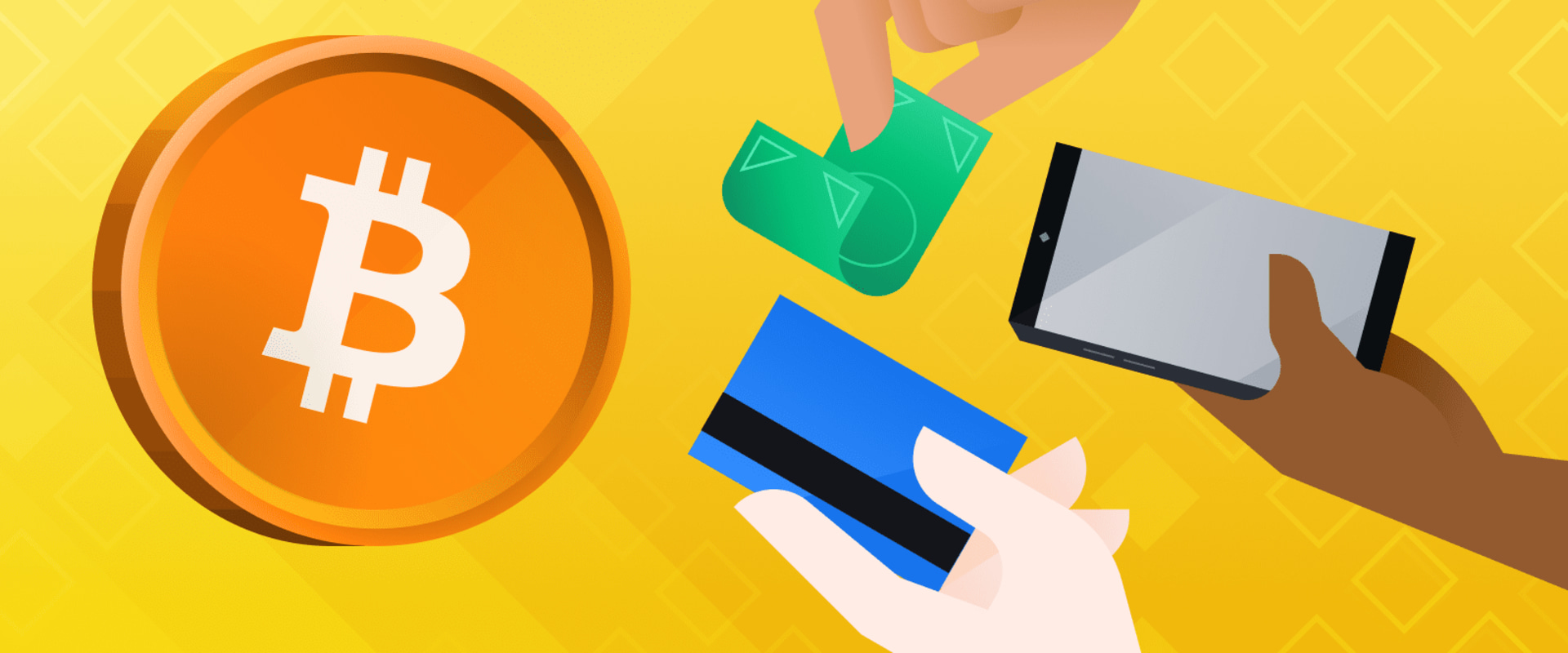


Bitcoin, often referred to as the first cryptocurrency, has revolutionized the way we think about money and transactions. Launched in 2009 by an anonymous entity known as Satoshi Nakamoto, Bitcoin introduced a decentralized digital currency that operates without the need for a central authority or intermediary. This groundbreaking concept has not only paved the way for thousands of other cryptocurrencies but has also sparked a global movement towards financial independence and innovation. At its core, Bitcoin is built on a technology called blockchain , which is a distributed ledger that records all transactions across a network of computers. This ensures transparency and security, as each transaction is verified by network participants, known as miners, who use complex algorithms to validate and add transactions to the blockchain.
The decentralized nature of Bitcoin means that it is resistant to censorship and fraud, making it an attractive option for those seeking an alternative to traditional banking systems. The significance of Bitcoin extends beyond its technological framework; it represents a shift in how we perceive value and trust in financial systems. As more individuals and institutions recognize the potential of Bitcoin as a store of value akin to digital gold, its adoption continues to grow. Investors are increasingly viewing Bitcoin not just as a speculative asset but as a hedge against inflation and economic instability. In this ever-evolving landscape of digital currencies, understanding the fundamentals of Bitcoin is crucial for anyone considering an investment. From its unique properties to its role in the broader cryptocurrency market, grasping these concepts will empower you to make informed decisions about whether Bitcoin aligns with your financial goals.
Why Invest in Bitcoin?
Investing in Bitcoin has garnered significant attention in recent years, and for good reason.Here are some compelling reasons why many investors are considering adding Bitcoin to their portfolios.
1.Potential for High Returns
One of the most attractive aspects of Bitcoin is its potential for substantial returns. Since its inception in 2009, Bitcoin has experienced remarkable price increases, often outperforming traditional assets like stocks and bonds. Early adopters who invested in Bitcoin when it was valued at just a few dollars have seen their investments multiply exponentially. While past performance is not indicative of future results, many analysts believe that Bitcoin still has room for growth as adoption increases.
2.Hedge Against Inflation
In an era of rising inflation and economic uncertainty, Bitcoin is often viewed as a hedge against traditional financial systems.
Unlike fiat currencies, which can be printed in unlimited quantities by central banks, Bitcoin has a capped supply of 21 million coins. This scarcity can help protect investors from the devaluation of their assets due to inflationary pressures. As more people seek to preserve their wealth, Bitcoin's appeal as a store of value continues to grow.
3.Increasing Acceptance as a Payment Method
Bitcoin's acceptance as a legitimate form of payment is on the rise. Major companies, including Tesla, Microsoft, and PayPal, have begun accepting Bitcoin for transactions, signaling a shift towards mainstream adoption.
This growing acceptance not only enhances Bitcoin's utility but also contributes to its legitimacy as an investment asset. As more businesses integrate Bitcoin into their payment systems, its demand and value are likely to increase.
4.Diversification Benefits
Adding Bitcoin to an investment portfolio can provide diversification benefits. Cryptocurrencies often behave differently than traditional assets, such as stocks and bonds, which can help reduce overall portfolio risk. By including Bitcoin in a diversified investment strategy, investors may enhance their potential for returns while mitigating risks associated with market volatility.
5.Technological Innovation
The underlying technology behind Bitcoin—blockchain—represents a significant innovation in how transactions are conducted and recorded.
This decentralized ledger technology offers transparency and security that traditional financial systems cannot match. As blockchain technology continues to evolve and find applications across various industries, the value of Bitcoin may increase alongside advancements in this space. In conclusion, investing in Bitcoin presents numerous advantages that can appeal to both seasoned investors and newcomers alike. From its potential for high returns to its role as a hedge against inflation and increasing acceptance as a payment method, Bitcoin offers unique opportunities that are worth considering in today's dynamic financial landscape.
How to Buy Bitcoin: A Step-by-Step Guide
Buying Bitcoin can seem daunting, especially for newcomers to the cryptocurrency world. However, with the right guidance, the process can be straightforward and secure.Here’s a detailed step-by-step guide to help you navigate the various methods of purchasing Bitcoin.
Step 1: Choose a Reliable Platform
The first step in buying Bitcoin is selecting a trustworthy platform. There are several options available:
- Cryptocurrency Exchanges: These are the most popular platforms for buying Bitcoin. Exchanges like Coinbase, Binance, and Kraken allow users to buy, sell, and trade Bitcoin and other cryptocurrencies. They offer user-friendly interfaces and various payment methods.
-
Brokerages: Some online brokerages also offer Bitcoin purchases.
These platforms typically provide a simplified buying experience but may have higher fees compared to exchanges.
- Peer-to-Peer Platforms: Websites like LocalBitcoins and Paxful connect buyers and sellers directly. This method can offer more flexibility in payment options but requires careful consideration of security and trustworthiness.
Step 2: Set Up Your Account
Once you’ve chosen a platform, you’ll need to create an account. This usually involves providing your email address, creating a password, and verifying your identity through KYC (Know Your Customer) procedures. Be prepared to upload identification documents such as a driver’s license or passport.
Step 3: Secure Your Wallet
Before purchasing Bitcoin, it’s crucial to have a secure wallet to store your coins.
There are different types of wallets:
- Hot Wallets: These are online wallets that are easy to access but may be more vulnerable to hacks.
- Cold Wallets: Hardware wallets like Ledger or Trezor provide enhanced security by storing your Bitcoin offline.
Step 4: Fund Your Account
After setting up your account and wallet, you’ll need to fund your exchange account. Most platforms accept bank transfers, credit cards, or even PayPal. Be aware that different funding methods may incur varying fees and processing times.
Step 5: Place Your Order
With funds in your account, you can now place an order for Bitcoin. You can choose between different order types:
- Market Order: This type of order buys Bitcoin at the current market price.
-
Limit Order: This allows you to set a specific price at which you want to buy Bitcoin.
The order will only execute if the market reaches that price.
Step 6: Transfer Bitcoin to Your Wallet
Once your purchase is complete, it’s advisable to transfer your Bitcoin from the exchange to your personal wallet for added security. This minimizes the risk of losing your assets due to exchange hacks or outages.
Final Thoughts
Buying Bitcoin involves several steps, but by following this guide and prioritizing security, you can confidently enter the world of cryptocurrency investing. Always stay informed about market trends and best practices for managing your digital assets.
Choosing the Right Cryptocurrency Exchange
When it comes to buying Bitcoin, selecting the right cryptocurrency exchange is crucial for ensuring a smooth and secure trading experience. With numerous platforms available, each offering different features, fees, and security measures, it’s essential to conduct thorough research before making a decision. Here are some of the most popular cryptocurrency exchanges, along with their key features:-
Coinbase: Known for its user-friendly interface, Coinbase is an excellent choice for beginners.
It offers a variety of cryptocurrencies, including Bitcoin, and provides educational resources to help users understand the market. However, its fees can be higher compared to other exchanges.
- Binance: As one of the largest exchanges globally, Binance offers a vast selection of cryptocurrencies and trading pairs. It features advanced trading tools and lower fees, making it suitable for both beginners and experienced traders. However, users should be aware of its complex interface.
-
Kraken: Renowned for its strong security measures, Kraken is a reliable platform for buying Bitcoin.
It offers various fiat currency options and has a transparent fee structure. Additionally, Kraken provides advanced trading features for seasoned investors.
- Gemini: Founded by the Winklevoss twins, Gemini emphasizes regulatory compliance and security. It offers a secure environment for trading Bitcoin and other cryptocurrencies while providing an easy-to-use interface. However, its fees may be slightly higher than some competitors.
- Security: Look for exchanges that implement robust security measures such as two-factor authentication (2FA), cold storage for funds, and regular security audits.
-
Fees: Compare transaction fees, deposit and withdrawal fees across different platforms.
Some exchanges may charge higher fees for credit card purchases compared to bank transfers.
- User Experience: A user-friendly interface can significantly enhance your trading experience. Choose an exchange that suits your level of expertise.
- Customer Support: Reliable customer support is essential in case you encounter issues or have questions about your transactions.
Understanding Bitcoin Volatility and Market Trends
Bitcoin, the first and most recognized cryptocurrency, is notorious for its price volatility. Understanding the factors that contribute to this volatility is crucial for investors looking to navigate the turbulent waters of the cryptocurrency market.Market Sentiment
plays a significant role in Bitcoin's price fluctuations. The cryptocurrency market is heavily influenced by news, social media, and public perception.
Positive news, such as institutional adoption or regulatory clarity, can lead to rapid price increases, while negative news, such as security breaches or regulatory crackdowns, can trigger sharp declines. Investors should stay informed about current events and market sentiment to anticipate potential price movements.
Supply and Demand
dynamics are fundamental to understanding Bitcoin's price behavior. Bitcoin has a capped supply of 21 million coins, which creates scarcity. As demand increases—whether from retail investors or institutional players—the price tends to rise.
Conversely, if demand wanes, the price can drop significantly. This inherent scarcity combined with fluctuating demand contributes to Bitcoin's volatility.
Market Manipulation
is another factor that can exacerbate Bitcoin's price swings. The relatively low liquidity compared to traditional markets means that large trades can have an outsized impact on prices. Whales—individuals or entities holding large amounts of Bitcoin—can influence market trends through strategic buying or selling, leading to sudden price changes.
Technological Developments
also play a critical role in shaping Bitcoin's market trends.
Upgrades to the Bitcoin network, such as improvements in transaction speed or security features, can enhance user confidence and drive demand. Conversely, technical issues or delays in upgrades can lead to negative sentiment and price drops. Lastly, macroeconomic factors , including inflation rates and global economic stability, can influence investor behavior towards Bitcoin. In times of economic uncertainty, some investors view Bitcoin as a hedge against inflation or currency devaluation, which can lead to increased buying pressure. In conclusion, navigating Bitcoin's volatility requires a comprehensive understanding of various influencing factors. By staying informed about market sentiment, supply and demand dynamics, potential manipulation, technological advancements, and macroeconomic conditions, investors can make more informed decisions in this rapidly changing landscape.
Common Mistakes to Avoid When Buying Bitcoin
Investing in Bitcoin can be a rewarding venture, but it is not without its challenges.New investors often fall into common traps that can lead to significant losses or missed opportunities. Here are some of the most prevalent mistakes to avoid when buying Bitcoin:
- Neglecting Research: One of the biggest pitfalls is failing to conduct thorough research before making a purchase. Understanding how Bitcoin works, its market trends, and the factors influencing its price is crucial. Investors should familiarize themselves with the technology behind Bitcoin, including blockchain, mining, and wallet types.
-
Ignoring Security Measures: Security is paramount in the cryptocurrency space.
Many new investors overlook the importance of securing their investments. Using strong passwords, enabling two-factor authentication, and storing Bitcoin in secure wallets (hardware wallets are recommended) can help protect against hacks and theft.
- Chasing FOMO (Fear of Missing Out): The volatile nature of Bitcoin can lead to impulsive buying decisions driven by FOMO. Investors may rush to buy when prices surge, only to face losses when the market corrects. It’s essential to have a clear investment strategy and stick to it rather than reacting emotionally to market fluctuations.
-
Overtrading: Frequent buying and selling can lead to high transaction fees and potential losses.
New investors often underestimate the impact of these fees on their overall returns. It’s advisable to adopt a long-term perspective and avoid excessive trading unless you have a well-defined strategy.
- Not Diversifying Investments: Putting all your funds into Bitcoin can be risky. While Bitcoin is a leading cryptocurrency, diversifying your portfolio by investing in other cryptocurrencies or asset classes can mitigate risks and enhance potential returns.
-
Underestimating Market Volatility: Bitcoin is known for its price volatility. New investors may not be prepared for significant price swings, which can lead to panic selling or poor decision-making.
Understanding that volatility is part of the investment landscape can help investors maintain composure during turbulent times.
- Failing to Keep Up with Regulations: The regulatory environment surrounding cryptocurrencies is constantly evolving. Investors should stay informed about legal developments that could impact their investments, including tax implications and compliance requirements.
The Future of Bitcoin: What Lies Ahead?
The future of Bitcoin is a topic of great interest and speculation among investors, analysts, and enthusiasts alike. As the cryptocurrency landscape continues to evolve, several key factors will shape the trajectory of Bitcoin in the coming years.Regulatory Changes
One of the most significant influences on Bitcoin's future will be regulatory developments.
Governments around the world are increasingly scrutinizing cryptocurrencies, with some countries embracing them while others impose strict regulations or outright bans. For instance, the United States has been working on establishing a regulatory framework that could provide clarity for investors and businesses alike. This could lead to greater institutional adoption of Bitcoin, as clearer regulations may reduce perceived risks associated with investing in cryptocurrencies.
Moreover, as more countries consider their own digital currencies, Bitcoin may face competition from state-backed alternatives. However, this could also validate the concept of digital currencies and encourage broader acceptance of Bitcoin as a legitimate asset class.
Technological Advancements
Technological innovations will also play a crucial role in shaping Bitcoin's future.
The ongoing development of the Lightning Network, for example, aims to enhance transaction speed and reduce fees, making Bitcoin more practical for everyday transactions. If successful, this could significantly increase Bitcoin's utility and adoption among merchants and consumers.
Additionally, improvements in security protocols and privacy features may attract more users who are concerned about their financial data. As technology continues to advance, Bitcoin could evolve into a more robust and user-friendly platform.
Market Dynamics
The market dynamics surrounding Bitcoin will also influence its future. As institutional investors continue to enter the space, their demand could drive prices higher.
Conversely, market corrections are inevitable in any asset class, including cryptocurrencies. Understanding these cycles will be essential for investors looking to navigate the volatile landscape of Bitcoin. In conclusion, while predicting the exact future of Bitcoin is challenging due to its inherent volatility and external factors, it is clear that both regulatory changes and technological advancements will play pivotal roles in determining its path forward. Investors should stay informed about these developments to make educated decisions regarding their investments in Bitcoin.
Frequently Asked Questions About Buying Bitcoin
As interest in Bitcoin continues to grow, many potential investors have questions about how to navigate the process of buying this cryptocurrency. Below are some of the most frequently asked questions regarding purchasing Bitcoin, along with clear and concise answers to help you make informed decisions.1.What is the best way to buy Bitcoin?
The best way to buy Bitcoin largely depends on your preferences and needs.Here are a few popular methods:
- Cryptocurrency Exchanges: Platforms like Coinbase, Binance, and Kraken allow users to buy Bitcoin using various payment methods, including bank transfers and credit cards.
- Brokerages: Some online brokerages offer Bitcoin purchases alongside traditional investments. This can be convenient for those looking to manage all their investments in one place.
- P2P Platforms: Peer-to-peer platforms like LocalBitcoins connect buyers and sellers directly, allowing for more flexible payment options.
2.Is it safe to buy Bitcoin?
While buying Bitcoin can be safe, it is essential to take precautions:- Choose Reputable Platforms: Always use well-known exchanges or brokerages with strong security measures.
- Enable Two-Factor Authentication: This adds an extra layer of security to your account.
- Use a Secure Wallet: Consider transferring your Bitcoin to a secure wallet after purchase for added protection against hacks.
3.Can I buy a fraction of a Bitcoin?
Yes! Bitcoin is divisible, and you can purchase as little as 0.00000001 BTC (known as a Satoshi). This makes it accessible for investors who may not want to invest in a whole Bitcoin.4.What payment methods can I use to buy Bitcoin?
The payment methods available for buying Bitcoin vary by platform but commonly include:- Bank transfers
- Credit and debit cardsCredit and debit cards
- PayPal (on select platforms)
- Cash (in P2P transactions)
5.Are there any fees associated with buying Bitcoin?
Yes, most platforms charge fees for buying Bitcoin. These can include:- Transaction Fees: A fee charged by the exchange for processing your order.
- Deposit Fees: Some platforms may charge fees for depositing funds into your account.
- Withdrawal Fees: Fees may apply when transferring your Bitcoin out of the exchange.
Conclusion: Making Informed Decisions About Bitcoin Investment
As we conclude our exploration of Bitcoin investment, it is essential to reflect on the critical insights shared throughout this article.Investing in Bitcoin is not merely a financial decision; it is a commitment to understanding a complex and rapidly evolving landscape. The cryptocurrency market, with Bitcoin at its forefront, presents both opportunities and challenges that require careful consideration. One of the primary takeaways is the importance of research. Before diving into Bitcoin, potential investors should familiarize themselves with the fundamentals of blockchain technology, market trends, and the various factors influencing Bitcoin's price. This knowledge will empower investors to make informed decisions rather than relying on speculation or hype. Additionally, understanding the volatility inherent in Bitcoin is crucial.
While the potential for significant returns exists, so does the risk of substantial losses. Historical data shows that Bitcoin has experienced dramatic price fluctuations, which can be daunting for new investors. Therefore, it is advisable to assess your risk tolerance and invest only what you can afford to lose. Another vital aspect is choosing the right platform for buying and trading Bitcoin. With numerous exchanges and services available, selecting a reputable platform that aligns with your investment goals is paramount.
Look for platforms that offer robust security measures, user-friendly interfaces, and comprehensive customer support. Moreover, consider diversifying your investment portfolio. While Bitcoin may be a leading cryptocurrency, exploring other digital assets can mitigate risks and enhance potential returns. Stablecoins like Tether or USD Coin can provide a buffer against volatility while still allowing you to participate in the crypto market. In summary, investing in Bitcoin requires a blend of knowledge, strategy, and caution. By staying informed about market dynamics and making decisions based on thorough research rather than emotions or trends, investors can navigate the complexities of Bitcoin investment more effectively.
As you embark on your investment journey, remember that patience and diligence are key to achieving long-term success in this exciting yet unpredictable market.
Top Articles