The Legitimacy and Profitability of Bitcoin Mining: A Comprehensive Guide
Discover the legitimacy and profitability of Bitcoin mining. Learn about mining pools, hardware, software, and strategies for success.
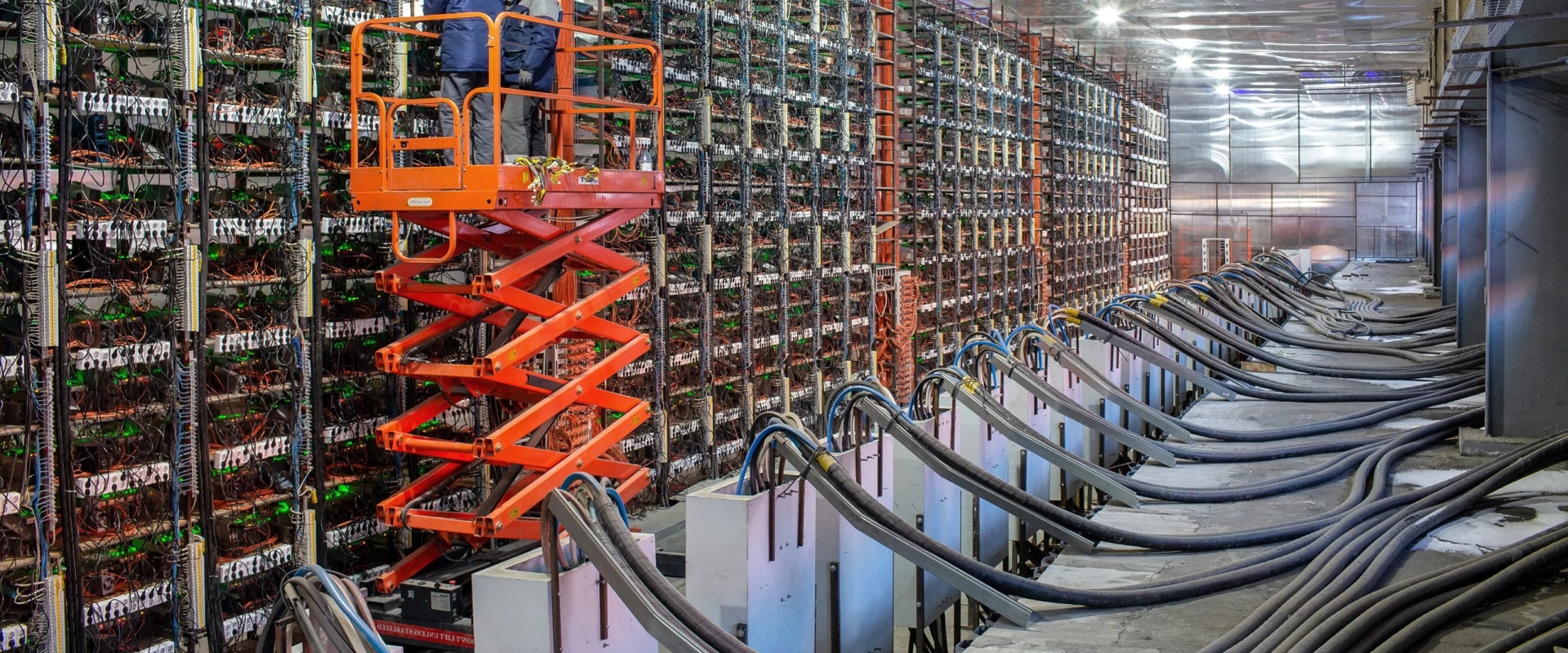


Bitcoin mining is a fundamental process that underpins the entire Bitcoin network, serving as both a method of transaction verification and a means of introducing new bitcoins into circulation. At its core, bitcoin mining involves solving complex mathematical problems that validate transactions on the blockchain, a decentralized ledger that records all Bitcoin transactions. This process not only secures the network but also ensures that all transactions are transparent and immutable, making it a crucial component of the cryptocurrency ecosystem. To understand how bitcoin mining works, it's essential to grasp the concept of blockchain technology. Each time a transaction occurs, it is grouped with others into a block.
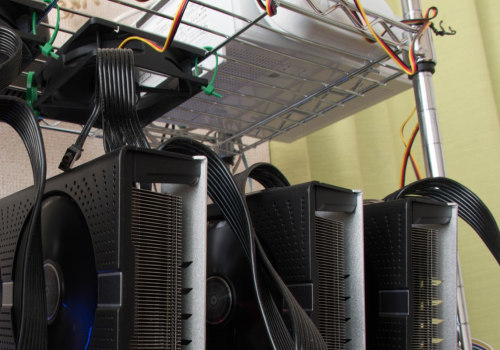
Miners compete to solve a cryptographic puzzle associated with this block. The first miner to solve the puzzle gets to add the block to the blockchain and is rewarded with newly minted bitcoins, along with transaction fees from the transactions included in that block. This reward system incentivizes miners to contribute their computational power to the network, ensuring its stability and security. The basics of bitcoin mining can be broken down into several key components: hardware, software, and mining pools. Miners use specialized hardware known as ASICs (Application-Specific Integrated Circuits) designed specifically for mining cryptocurrencies.
Alongside this hardware, miners utilize software that connects them to the Bitcoin network and facilitates the mining process. Additionally, many miners join mining pools , which are groups of miners who combine their computational resources to increase their chances of successfully mining blocks and receiving rewards more consistently. As we delve deeper into the world of bitcoin mining, it becomes clear that understanding its legitimacy and profitability is vital for anyone considering entering this space. With fluctuating market conditions and varying operational costs, potential miners must evaluate their options carefully to ensure they are engaging in a legitimate and profitable venture.
The Legitimacy of Bitcoin Mining Operations
When considering the legitimacy of Bitcoin mining operations, it is crucial to evaluate several key factors that can help distinguish between trustworthy and dubious practices. The rise of cryptocurrency has attracted a mix of legitimate businesses and fraudulent schemes, making it essential for miners and investors to conduct thorough research.Regulatory Compliance
One of the primary indicators of a legitimate Bitcoin mining operation is its adherence to local regulations.
Many countries have established guidelines governing cryptocurrency activities, including mining. A reputable mining operation will be transparent about its compliance with these regulations, which may include obtaining necessary licenses and permits. Before joining any mining pool or investing in a mining operation, verify whether they are compliant with the laws in their jurisdiction.
Transparency
Transparency is another critical aspect of identifying legitimate Bitcoin mining operations. Trustworthy mining pools will provide clear information about their operations, including:
- Their location and infrastructure
- The type of hardware used for mining
- Their fee structure and payout policies
- How they handle rewards distribution
If a mining operation is unwilling to share this information or provides vague answers, it may be a red flag.
Choosing Reputable Mining Pools
To ensure you are participating in a legitimate Bitcoin mining operation, consider joining well-established mining pools with a proven track record. Some of the most reputable pools include:
- Slush Pool: One of the first Bitcoin mining pools, known for its reliability and transparency.
- Poolin: Offers a user-friendly interface and has gained popularity for its efficient payout system.
- Antpool: Operated by Bitmain, it is one of the largest pools globally and provides detailed statistics on its performance.
How to Identify Legit Mining Operations
To further ensure that you are engaging with legitimate Bitcoin mining operations, consider the following tips:
- Research Reviews: Look for user reviews and testimonials about the mining pool or operation. Websites like Reddit or specialized forums can provide insights from other miners.
- Check Community Engagement: A legitimate operation will often have an active community presence, including social media engagement and forums where users can ask questions and share experiences.
- Avoid Unrealistic Promises: Be wary of operations that promise guaranteed returns or unusually high profits with little risk. If it sounds too good to be true, it probably is.
Evaluating Profitability in Bitcoin Mining
When considering whether Bitcoin mining is a profitable venture, it is essential to evaluate several key factors that can significantly impact your returns.Understanding these elements will help you make informed decisions and optimize your mining operations.
1.Hardware Costs
The type of hardware you choose for mining plays a crucial role in determining profitability. ASIC (Application-Specific Integrated Circuit) miners are the most efficient for Bitcoin mining, as they are specifically designed for this purpose. However, the initial investment can be substantial, often ranging from hundreds to thousands of dollars. It's important to consider:- Hash Rate: This measures the processing power of your mining hardware.
A higher hash rate means more chances of solving blocks and earning rewards.
- Durability and Lifespan: Mining equipment can wear out over time, so investing in reliable hardware can save costs in the long run.
- Resale Value: The cryptocurrency market is volatile, and hardware prices can fluctuate. Consider the potential resale value when purchasing equipment.
2.Electricity Rates
Electricity consumption is one of the largest ongoing expenses for miners. The profitability of your operation can be heavily influenced by local electricity rates. Here are some considerations:- Location: Mining in regions with lower electricity costs can significantly enhance profitability.
Some miners relocate to areas where energy is cheaper or even utilize renewable energy sources.
- Efficiency: Investing in energy-efficient hardware can reduce electricity consumption, thereby increasing profit margins.
3.Market Conditions
The price of Bitcoin itself is a major factor affecting mining profitability. Fluctuations in market value can lead to varying levels of profitability:- Bitcoin Halving: This event occurs approximately every four years and reduces the block reward miners receive by half, impacting potential earnings.
- Market Demand: Increased demand for Bitcoin typically drives up its price, which can enhance mining profitability if operational costs remain stable.
Top Bitcoin Mining Pools to Consider
When it comes to Bitcoin mining, choosing the right mining pool can significantly impact your profitability and overall experience. Below, we explore some of the top Bitcoin mining pools available in 2023, highlighting their features, fees, and performance metrics.1.Slush Pool
As one of the oldest and most reputable mining pools, Slush Pool has built a strong reputation since its inception in 2010. It offers a user-friendly interface and a transparent fee structure of 6%.Slush Pool also provides advanced features such as:
- Real-time statistics: Users can monitor their mining performance and earnings in real-time.
- Two-factor authentication: Enhanced security measures to protect your account.
- Payout options: Flexible payout options including daily payouts.
2.Antpool
Owned by Bitmain, Antpool is another major player in the Bitcoin mining space, accounting for approximately 17% of the total network hash rate. It offers a competitive fee structure that varies based on the mining method chosen (PPB or PPLNS). Key features include:- Multiple payout methods: Users can choose between different payout methods to suit their preferences.
- Mining rewards: Antpool provides regular updates on block rewards and mining statistics.
- User-friendly interface: The platform is designed for both beginners and experienced miners.
3.Poolin
Poolin has quickly gained popularity since its launch, currently representing about 10% of the Bitcoin network's hash rate. It offers a range of features that cater to both novice and experienced miners:- No withdrawal fees: Unlike many other pools, Poolin does not charge withdrawal fees, maximizing your earnings.
- Multi-currency support: Users can mine various cryptocurrencies beyond Bitcoin, providing flexibility.
- Comprehensive dashboard: A detailed dashboard allows users to track their performance across different currencies.
4.ViaBTC
A newer entrant in the market, ViaBTC has quickly established itself as a reliable option for miners.It accounts for around 12% of all blocks mined. Its features include:
- PPLNS payout system: This system rewards miners based on their contributions over a longer period.
- User-friendly tools: ViaBTC provides various tools to help miners optimize their operations.
- Diverse mining options: Miners can switch between different cryptocurrencies easily based on profitability.
Choosing the Right Mining Hardware
When it comes to Bitcoin mining, selecting the right hardware is crucial for maximizing your profitability. The landscape of mining hardware has evolved significantly, with ASIC miners (Application-Specific Integrated Circuits) emerging as the dominant choice for serious miners.Unlike general-purpose hardware, ASIC miners are specifically designed to perform the complex calculations required for Bitcoin mining, making them far more efficient. In 2023, several models stand out in terms of performance and return on investment:
- Antminer S19 Pro : Known for its high hash rate of around 110 TH/s, this model is a favorite among professional miners. Its energy efficiency is also commendable, consuming about 3250W, which helps in reducing electricity costs.
- Whatsminer M30S++ : This miner offers a hash rate of approximately 112 TH/s and operates at an efficiency of around 34.5 J/TH. Its robust build quality and reliability make it a strong contender in the market.
- Bitmain Antminer S19 XP : With a hash rate of up to 140 TH/s, this model is one of the most powerful ASIC miners available. Although it comes with a higher price tag, its efficiency and performance can lead to substantial profits over time.
Additionally, it's essential to factor in your local electricity rates, as they can significantly impact your overall returns. Another important aspect to consider is the cooling system for your mining hardware. ASIC miners generate a lot of heat during operation, so investing in proper cooling solutions can enhance their lifespan and performance. Options include:
- Air Cooling : Utilizing fans and ventilation systems to maintain optimal temperatures.
- Liquid Cooling : A more advanced method that can provide better temperature control but requires a higher initial investment.
Mining Software: Tools for Success
When it comes to bitcoin mining, the right software can significantly impact your success and profitability.With numerous options available, it’s essential to choose software that aligns with your mining goals and hardware capabilities. Below, we explore some of the best bitcoin mining software options for 2023, highlighting their features and benefits.
1.CGMiner
CGMiner is widely regarded as one of the best overall mining software solutions. This open-source platform is compatible with various operating systems, including Windows, Linux, and macOS. Its key features include:- Multi-Platform Support: CGMiner can run on any computer, making it versatile for different setups.
- Customizable Settings: Users can tweak settings to optimize performance based on their specific hardware.
- Real-Time Monitoring: The software provides real-time statistics on your mining operations, allowing for quick adjustments.
2.BFGMiner
BFGMiner is another top contender, particularly favored by advanced users.It offers a range of customization options that allow miners to fine-tune their operations. Key features include:
- Dynamic Synchronization: This feature helps maintain optimal performance by adjusting to network conditions.
- Remote Interface: BFGMiner allows users to monitor and control their mining rigs remotely, enhancing convenience.
- Multi-Currency Mining: Users can switch between different cryptocurrencies easily, maximizing profitability based on market conditions.
3.MultiMiner
If you’re new to bitcoin mining, MultiMiner is an excellent choice due to its user-friendly interface. It simplifies the mining process with features such as:- Graphical User Interface (GUI): The clean design makes it easy for beginners to navigate and understand.
- Automated Hardware Detection: MultiMiner automatically detects your mining hardware and configures settings accordingly.
- Cross-Platform Compatibility: It works seamlessly across different operating systems, ensuring accessibility for all users.
By understanding the features and benefits of each software, you can make an informed decision that enhances your mining success.
Risks and Challenges in Bitcoin Mining
Engaging in Bitcoin mining can be a lucrative venture, but it is not without its share of risks and challenges. Understanding these potential pitfalls is crucial for anyone considering entering the mining space.Market Volatility
The cryptocurrency market is notoriously volatile. Prices can fluctuate dramatically within short periods, impacting the profitability of mining operations. For instance, a sudden drop in Bitcoin's price can render mining unprofitable, especially for those with high operational costs.Miners must stay informed about market trends and be prepared for rapid changes that could affect their bottom line.
Regulatory Changes
Another significant risk involves the regulatory landscape surrounding cryptocurrencies. Governments worldwide are still figuring out how to approach Bitcoin mining, leading to potential changes in laws and regulations. For example, some countries have imposed strict regulations or outright bans on mining due to environmental concerns or energy consumption issues. Miners must remain vigilant and adaptable to these changes, as non-compliance could result in hefty fines or shutdowns.Operational Challenges
Mining Bitcoin requires substantial investment in hardware and electricity.The initial setup costs can be high, and ongoing expenses such as electricity bills can eat into profits. Additionally, miners face challenges related to hardware maintenance and upgrades. Mining equipment can become obsolete quickly due to advancements in technology, necessitating regular investments to stay competitive.
Environmental Concerns
The environmental impact of Bitcoin mining has come under scrutiny, particularly regarding its energy consumption. Many mining operations rely on fossil fuels, contributing to carbon emissions and climate change.This has led to public backlash and increased regulatory scrutiny, which could pose risks for miners who do not adopt sustainable practices.
Pitfalls to Avoid
- Overleveraging: Avoid taking on excessive debt to finance your mining operation. This can lead to significant losses if the market turns against you.
- Ignoring Maintenance: Regularly maintain your mining equipment to prevent breakdowns that could halt operations and reduce profitability.
- Neglecting Security: Cybersecurity threats are prevalent in the cryptocurrency space. Ensure that your mining operation has robust security measures in place to protect against hacks and theft.
- Falling for Scams: Be wary of cloud mining services that promise guaranteed returns. Many of these platforms are scams designed to exploit unsuspecting investors.
By understanding market dynamics, staying compliant with regulations, managing operational costs effectively, and being aware of environmental impacts, miners can position themselves for success in this challenging landscape.
Future Trends in Bitcoin Mining
The landscape of Bitcoin mining is continuously evolving, driven by technological advancements and shifting market dynamics. As we look towards the future, several key trends are emerging that could significantly impact the profitability and sustainability of Bitcoin mining.Advancements in Energy Efficiency
One of the most pressing challenges facing Bitcoin miners is energy consumption. The process of mining requires substantial computational power, which translates to high electricity usage. However, innovations in energy efficiency are paving the way for more sustainable practices.For instance, the development of ASIC (Application-Specific Integrated Circuit) miners has led to machines that are specifically designed for Bitcoin mining, offering higher hash rates while consuming less power. Moreover, renewable energy sources are becoming increasingly integrated into mining operations. Miners are exploring options such as solar, wind, and hydroelectric power to reduce their carbon footprint and lower operational costs. This shift not only addresses environmental concerns but also positions miners to benefit from lower energy prices in the long run.
Decentralization and Geographic Distribution
The geographic distribution of mining operations is also changing. Historically, a significant portion of Bitcoin mining has been concentrated in regions with cheap electricity, such as China.However, recent regulatory crackdowns have prompted miners to relocate to more stable environments with favorable regulations. Countries like Canada, the United States, and parts of Europe are becoming attractive destinations due to their abundant renewable energy resources and supportive policies. This decentralization can lead to a more resilient network, reducing the risk of centralization that can compromise the integrity of the blockchain.
Emerging Technologies
Technological innovations are set to revolutionize Bitcoin mining further. The introduction of liquid cooling systems is one such advancement that allows miners to operate at higher efficiencies by maintaining optimal temperatures for their hardware. Additionally, advancements in artificial intelligence (AI) and machine learning are being explored to optimize mining operations by predicting market trends and adjusting strategies accordingly. Furthermore, developments in blockchain technology itself may lead to new consensus mechanisms that could reduce the reliance on energy-intensive proof-of-work systems.These innovations could reshape how Bitcoin is mined and open up new avenues for profitability. In conclusion, the future of Bitcoin mining is poised for transformation through enhanced energy efficiency, geographic diversification, and groundbreaking technologies. As these trends continue to unfold, they will not only influence the profitability of mining operations but also contribute to a more sustainable and decentralized cryptocurrency ecosystem.
Frequently Asked Questions about Bitcoin Mining
Bitcoin mining can be a complex topic, and many newcomers have questions about how it works, its profitability, and the technology behind it. Here are some of the most frequently asked questions regarding Bitcoin mining that can help clarify common misconceptions and provide valuable insights.What is Bitcoin mining?
Bitcoin mining is the process by which new bitcoins are created and transactions are verified on the Bitcoin network. Miners use powerful computers to solve complex mathematical problems, which helps secure the network and validate transactions.When a miner successfully solves a problem, they add a new block to the blockchain and are rewarded with newly minted bitcoins.
Is Bitcoin mining profitable?
The profitability of Bitcoin mining depends on several factors, including:- Electricity costs: Mining requires significant energy, so lower electricity rates can greatly enhance profitability.
- Mining hardware: The efficiency and power of your mining equipment play a crucial role in determining your potential earnings.
- Bitcoin price: The market value of Bitcoin fluctuates, impacting the overall profitability of mining operations.
- Mining difficulty: As more miners join the network, the difficulty of solving blocks increases, which can affect your chances of earning rewards.
Do I need special equipment to mine Bitcoin?
Yes, effective Bitcoin mining typically requires specialized hardware known as ASIC (Application-Specific Integrated Circuit) miners. These devices are designed specifically for mining cryptocurrencies and offer significantly higher performance compared to standard computers or GPUs (Graphics Processing Units).Can I mine Bitcoin on my laptop or home computer?
While it is technically possible to mine Bitcoin using a laptop or home computer, it is generally not profitable due to the high competition and energy consumption. Most individual miners find it more effective to join a mining pool, where resources are combined to increase the chances of earning rewards.What is a mining pool?
A mining pool is a group of miners who combine their computational power to increase their chances of successfully mining blocks. By pooling resources, members share the rewards based on their contributed hash power.This approach allows individual miners to receive more consistent payouts compared to solo mining.
Are there risks associated with Bitcoin mining?
Yes, there are several risks involved in Bitcoin mining:- Market volatility: The price of Bitcoin can fluctuate dramatically, affecting profitability.
- Regulatory changes: Changes in laws or regulations regarding cryptocurrency can impact mining operations.
- Hardware failure: Mining equipment can fail or become obsolete, leading to potential losses.
Conclusion: Making Informed Decisions in Bitcoin Mining
As we conclude our exploration of Bitcoin mining, it is essential to reflect on the critical insights and strategies discussed throughout this article. Engaging in Bitcoin mining can be a lucrative venture, but it requires careful consideration and informed decision-making. First and foremost, understanding the mining process is crucial. Bitcoin mining involves solving complex mathematical problems to validate transactions on the blockchain, which in turn rewards miners with newly minted bitcoins. This process not only secures the network but also plays a vital role in maintaining the integrity of the cryptocurrency ecosystem. Moreover, selecting the right mining pool can significantly impact your profitability.As highlighted, pools like Slush Pool and Poolin offer reliable options for miners looking to maximize their earnings. By joining a mining pool, you can combine your computational power with others, increasing your chances of successfully mining blocks and receiving rewards. Additionally, the choice of mining hardware cannot be overlooked. Investing in efficient and powerful mining rigs can enhance your performance and reduce operational costs. It is advisable to stay updated on the latest hardware developments and market trends to ensure you are using the most effective equipment available. Furthermore, utilizing reputable mining software is essential for optimizing your mining operations.
Programs like CGMiner, BFGMiner, and MultiMiner provide various features that cater to different user needs, from beginners to advanced miners. Selecting software that aligns with your skill level and objectives can streamline your mining experience. Lastly, always conduct thorough research before diving into Bitcoin mining. The cryptocurrency landscape is constantly evolving, with new regulations, technologies, and market dynamics emerging regularly. Staying informed will empower you to make strategic decisions that align with your financial goals. In summary, Bitcoin mining presents both opportunities and challenges.
By understanding the intricacies of the process, choosing the right tools and resources, and remaining vigilant about market changes, you can navigate this exciting field more effectively. Remember that informed decisions are key to achieving success in Bitcoin mining.
Top Articles