Understanding Bitcoin Mining Earnings: A Comprehensive Guide
Discover the potential earnings of Bitcoin miners, factors influencing profitability, and strategies to maximize your mining success.
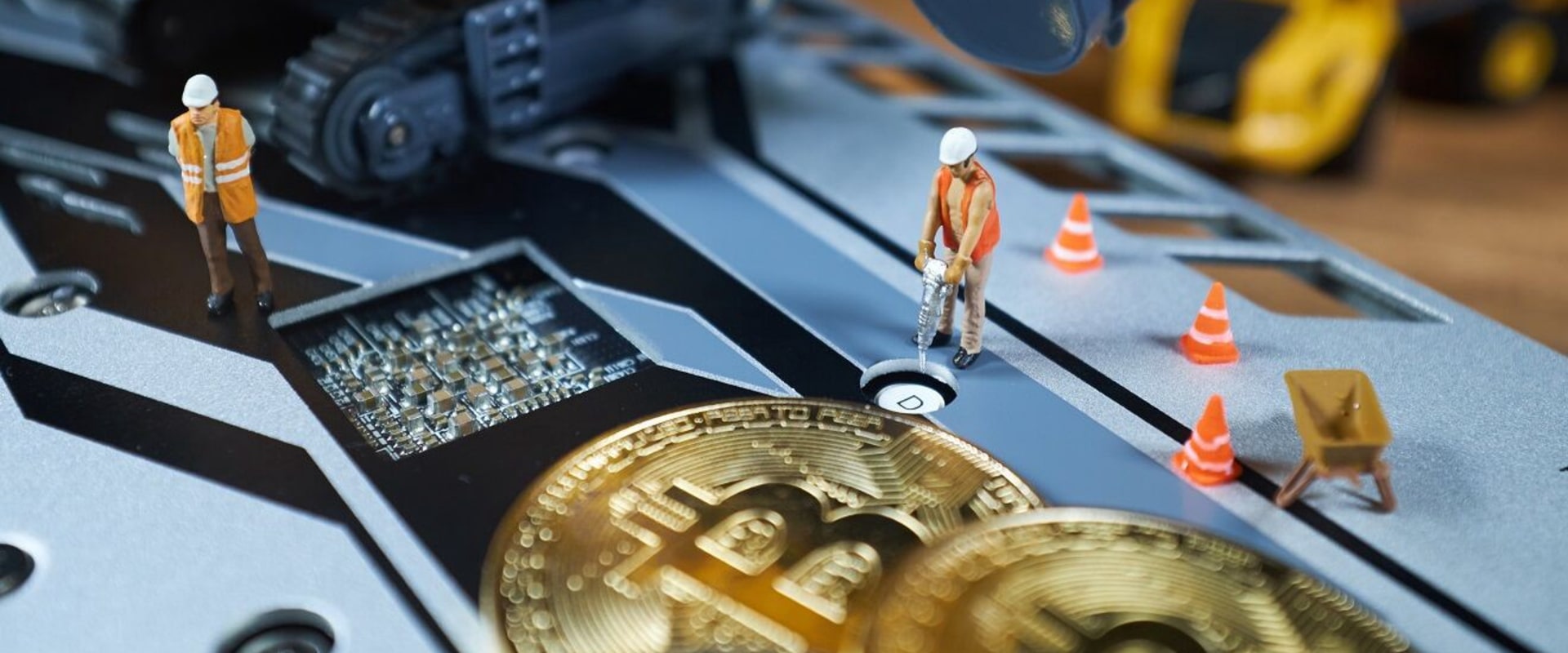


Bitcoin mining is a fundamental process that underpins the entire Bitcoin network, serving as both a method of transaction verification and a means of introducing new bitcoins into circulation. At its core, bitcoin mining involves the use of powerful computers to solve complex mathematical problems, which in turn validate transactions and secure the blockchain. This decentralized approach not only ensures the integrity of the cryptocurrency but also incentivizes miners through rewards in the form of newly minted bitcoins and transaction fees. The mechanics of bitcoin mining are intricate yet fascinating. When a miner successfully solves a cryptographic puzzle, they are allowed to add a new block to the blockchain.
This block contains a list of recent transactions, and once added, it becomes part of an immutable ledger that is accessible to all network participants. The current reward for adding a block is 6.25 bitcoins, a figure that is halved approximately every four years in an event known as the halving. This mechanism not only regulates the supply of bitcoins but also creates an environment where miners must continuously adapt to increasing difficulty levels as more participants join the network. Understanding bitcoin mining is crucial for anyone interested in the cryptocurrency space, especially those considering entering this competitive field. The potential earnings from mining can be substantial, but they come with significant risks and costs.
Factors such as hardware investment, electricity consumption, and market volatility play critical roles in determining profitability. As we delve deeper into this topic, we will explore how these elements interact and what aspiring miners need to know to navigate this complex landscape effectively.
The Basics of Bitcoin Mining
Bitcoin mining is a critical component of the Bitcoin network, serving as the process through which transactions are verified and added to the blockchain. Understanding how this process works is essential for anyone interested in the potential earnings from mining. At its core, bitcoin mining involves solving complex mathematical problems that validate transactions. When a user initiates a transaction, it is broadcasted to the network, where miners compete to confirm its legitimacy.This competition is what secures the network and prevents fraud. Once a miner successfully solves a problem, they create a new block of transactions. This block is then added to the existing blockchain, which is a public ledger that records all Bitcoin transactions. The blockchain is decentralized, meaning it is maintained by numerous miners around the world rather than a single entity. This decentralization enhances security and trust in the system. The process of mining requires significant computational power and energy.
Miners use specialized hardware known as ASICs (Application-Specific Integrated Circuits) designed specifically for mining Bitcoin. These devices are capable of performing billions of calculations per second, which increases the chances of solving the mathematical problems faster than competitors. As more miners join the network, the difficulty of these mathematical problems increases to ensure that blocks are added at a consistent rate—approximately every ten minutes. This adjustment mechanism is crucial for maintaining the stability of the Bitcoin network and ensuring that new bitcoins are released at a controlled pace. In addition to earning bitcoins as rewards for solving these problems, miners also receive transaction fees from users who want their transactions prioritized. These fees can vary based on network demand and can significantly contribute to a miner's overall earnings. In summary, understanding the bitcoin mining process is vital for grasping how miners validate transactions and earn rewards.
The interplay between computational power, energy consumption, and transaction fees creates a complex but potentially lucrative environment for those willing to invest in mining operations.
Factors Influencing Bitcoin Mining Earnings
When it comes to understanding how much money Bitcoin miners can earn, several key factors play a crucial role in determining their profitability. These factors include mining difficulty, block rewards, transaction fees, and operational costs. Each of these elements can significantly influence the overall earnings of a miner.Mining Difficulty
One of the most critical factors affecting Bitcoin mining profits is the mining difficulty. This metric adjusts approximately every two weeks based on the total computational power of the network.As more miners join the network and contribute their hashing power, the difficulty increases. This means that it becomes progressively harder to solve the cryptographic puzzles required to add new blocks to the blockchain. For instance, if a miner's hardware is not sufficiently powerful compared to the overall network, they may find it challenging to earn rewards. Consequently, miners must continually invest in more efficient hardware to remain competitive. The relationship between mining difficulty and profitability is inversely proportional; as difficulty rises, potential earnings per miner typically decrease.
Block Rewards
The block reward is another significant factor influencing earnings.Currently, miners receive 6.25 bitcoins for each block they successfully mine. However, this reward is halved approximately every four years in an event known as the halving. The next halving is expected to reduce the reward to 3.125 bitcoins. This reduction in rewards can have a profound impact on miners' profitability, especially for those who have invested heavily in mining equipment and infrastructure.
Transaction Fees
In addition to block rewards, miners also earn income from transaction fees.Every time a Bitcoin transaction is made, users can include a fee that incentivizes miners to prioritize their transaction for inclusion in the next block. During periods of high network congestion, these fees can increase significantly, providing an additional revenue stream for miners. Understanding how transaction fees fluctuate based on network demand is essential for evaluating potential profits.
Operational Costs
Lastly, operational costs such as electricity consumption and hardware maintenance are vital considerations for Bitcoin miners. Mining requires substantial energy resources, and electricity costs can vary widely depending on location.Miners operating in regions with lower energy costs may find it easier to achieve profitability compared to those in areas with higher rates. In summary, Bitcoin mining profitability is influenced by a complex interplay of factors including mining difficulty, block rewards, transaction fees, and operational costs. By carefully analyzing these elements, prospective miners can better assess their potential earnings and make informed decisions about their mining operations.
Calculating Potential Earnings from Bitcoin Mining
Understanding how to calculate potential earnings from Bitcoin mining is crucial for anyone looking to enter this competitive field. The profitability of mining can fluctuate significantly based on various factors, including hardware efficiency, electricity costs, and the current market price of Bitcoin. Here’s a comprehensive guide to help you estimate your potential earnings.Key Factors Influencing Bitcoin Mining Profits
- Hash Rate: This is the speed at which your mining hardware can solve cryptographic puzzles.
A higher hash rate increases your chances of earning Bitcoin.
- Mining Difficulty: This adjusts approximately every two weeks based on the total computing power of the network. As more miners join, the difficulty increases, making it harder to earn rewards.
- Electricity Costs: Mining consumes a significant amount of energy. Your local electricity rates will greatly impact your overall profitability.
- Bitcoin Price: The market price of Bitcoin can fluctuate wildly, affecting the value of your mining rewards.
Using a Bitcoin Mining Earnings Calculator
A Bitcoin mining earnings calculator can simplify the process of estimating your profits. These tools typically require you to input several variables:- Your hardware's hash rate (measured in TH/s or GH/s).
- Your electricity cost per kWh.
- The current Bitcoin price.
- The mining pool fee (if applicable).
Example Calculation
For instance, if you have a mining rig with a hash rate of 100 TH/s, an electricity cost of $0.10 per kWh, and the current Bitcoin price is $40,000:- Your estimated daily earnings might be around 0.01 BTC.
- If the mining pool takes a 1% fee, you would earn approximately 0.0099 BTC.
- Your electricity cost for running the rig could be about $5 per day.
Net Profit = (Earnings - Fees) * Bitcoin Price - Electricity CostCosts Associated with Bitcoin Mining
When considering a venture into bitcoin mining, it is crucial to understand the various costs that can significantly impact profitability.These costs can be broadly categorized into hardware costs, electricity costs, and ongoing maintenance expenses.
Hardware Costs for Bitcoin Mining
The initial investment in hardware is one of the most substantial costs associated with bitcoin mining. Miners require specialized equipment known as ASIC (Application-Specific Integrated Circuit) miners, which are designed specifically for the purpose of mining bitcoins. The price of these machines can vary widely based on their processing power and efficiency. For instance, high-performance ASIC miners can cost anywhere from $2,000 to over $10,000. In addition to the miners themselves, other hardware components such as power supplies, cooling systems, and networking equipment must also be factored into the overall cost.A robust cooling system is essential to prevent overheating, which can lead to equipment failure. Depending on the scale of the operation, these additional components can add several hundred to thousands of dollars to the initial setup.
Electricity Costs for Bitcoin Mining
Electricity consumption is another significant expense that miners must consider. Bitcoin mining is an energy-intensive process that requires substantial power to operate the mining rigs continuously. The cost of electricity varies by location; therefore, miners should research local electricity rates before setting up their operations. On average, a single ASIC miner can consume between 1,200 to 3,500 watts per hour.If a miner operates multiple units, the cumulative energy consumption can lead to monthly electricity bills ranging from hundreds to thousands of dollars. To mitigate these costs, some miners seek out locations with lower electricity rates or invest in renewable energy sources such as solar or wind power.
Ongoing Maintenance Expenses
Beyond initial hardware and electricity costs, ongoing maintenance expenses are also a critical consideration. Regular maintenance is necessary to ensure that mining equipment operates efficiently and remains in good working condition. This may include replacing worn-out parts, cleaning dust from machines, and updating software. Additionally, miners should account for potential downtime due to equipment failures or network issues.Such interruptions can lead to lost earnings and should be factored into any profitability calculations. In summary, understanding the various costs associated with bitcoin mining—including hardware investments, electricity consumption, and ongoing maintenance—is essential for anyone looking to enter this competitive field. By carefully evaluating these expenses, potential miners can better assess their chances of achieving profitability in the long run.
Types of Bitcoin Mining: Solo vs. Pool Mining
When it comes to Bitcoin mining, miners have two primary options: solo mining and pool mining. Each method has its own set of advantages and disadvantages, which can significantly impact a miner's profitability and overall experience.Solo Mining
Solo mining involves an individual miner working independently to solve the complex mathematical problems required to add new blocks to the Bitcoin blockchain.This method allows miners to keep all the rewards for themselves, which can be appealing. However, the chances of successfully mining a block on your own are quite low due to the increasing difficulty level and competition from larger mining operations.
- Advantages of Solo Mining:
- Full Rewards: Miners receive 100% of the block reward (currently 6.25 bitcoins) and transaction fees if they successfully mine a block.
- No Pool Fees: Solo miners do not have to pay any fees to a mining pool, which can eat into profits.
- Disadvantages of Solo Mining:
- Low Probability: The likelihood of solving a block is significantly lower compared to being part of a pool, especially for those with limited computational power.
- High Variability: Earnings can be sporadic, leading to long periods without any rewards, making it difficult to predict income.
Pool Mining
In contrast, pool mining allows multiple miners to combine their computational resources to increase their chances of solving blocks. When a block is successfully mined, the rewards are distributed among all participants based on their contributed hashing power. This method has gained popularity due to its more consistent payout structure.- Benefits of Pool Mining:
- Higher Success Rate: By pooling resources, miners can solve blocks more frequently, leading to more regular payouts.
- Lower Variability: Earnings are more predictable since rewards are distributed based on contributions, reducing the risk of long dry spells without income.
- Disadvantages of Pool Mining:
- Pool Fees: Most pools charge a fee (typically around 1-3%) that is deducted from the miner's earnings.
- Less Control: Miners have less control over their operations and must trust the pool operator regarding payouts and management.
For many new or smaller miners, joining a pool may provide a more feasible path toward earning Bitcoin consistently.
The Role of Mining Pools in Earnings
Bitcoin mining pools have emerged as a crucial component in the landscape of cryptocurrency mining, particularly for those looking to maximize their earnings. A mining pool is essentially a collective of miners who combine their computational resources to increase the chances of successfully mining Bitcoin. By pooling their efforts, miners can share the rewards more consistently, rather than relying solely on individual efforts, which can be unpredictable and often less profitable. One of the primary benefits of joining a mining pool is the reduction of variance in earnings. Individual miners may find it challenging to earn Bitcoin due to the high difficulty level associated with mining.In a pool, however, rewards are distributed based on the amount of computational power contributed by each member. This means that even smaller miners can receive regular payouts, making it easier to manage cash flow and reinvest in equipment or energy costs. Moreover, mining pools often provide access to advanced tools and resources that individual miners might not have. These can include real-time statistics on mining performance, detailed analytics on profitability, and even community support for troubleshooting technical issues. This collaborative environment fosters a sense of community among miners, allowing them to share strategies and insights that can enhance their overall success.
Top Bitcoin Mining Pools
Several prominent mining pools dominate the Bitcoin landscape today:- F2Pool : As one of the largest mining pools globally, F2Pool supports around 20% of the entire Bitcoin network.
It offers a user-friendly interface and various payout options.
- Antpool : Operated by Bitmain, Antpool is another major player in the mining pool arena. It provides miners with flexible payout structures and a robust platform for monitoring performance.
- Slush Pool : Known for its pioneering role in Bitcoin mining pools, Slush Pool offers unique features like a scoring system that rewards consistent miners.
- BTC.com : This pool is recognized for its high efficiency and low fees, making it an attractive option for many miners.
Tax Implications of Bitcoin Mining Earnings
When it comes to Bitcoin mining, understanding the tax implications of your earnings is essential for maintaining compliance and maximizing your profits. As a miner, you are not only responsible for the technical aspects of mining but also for accurately reporting your earnings to tax authorities.Tax Responsibilities for Bitcoin Miners
- Income Tax: The IRS treats Bitcoin mining as a business activity.
This means that any Bitcoin you earn through mining is considered taxable income. You must report the fair market value of the Bitcoin at the time you receive it as income on your tax return.
- Self-Employment Tax: If you mine Bitcoin as a business, you may also be subject to self-employment taxes. This includes Social Security and Medicare taxes, which can significantly impact your overall tax liability.
- Capital Gains Tax: When you sell or exchange the Bitcoin you mined, you may incur capital gains taxes. The gain is calculated based on the difference between the selling price and the fair market value at the time of mining.
Reporting Your Earnings
Accurate record-keeping is crucial for Bitcoin miners.
You should maintain detailed records of:
- The amount of Bitcoin mined
- The date and time of each mining event
- The fair market value of Bitcoin at the time of receipt
- Any expenses related to your mining operation, such as electricity costs, hardware purchases, and maintenance fees
Utilizing Crypto Tax Software
Given the complexities involved in reporting Bitcoin earnings, many miners opt to use crypto tax software. These tools can help automate the process of tracking transactions, calculating gains and losses, and generating necessary tax forms. By leveraging technology, miners can reduce the risk of errors and ensure they meet their tax obligations.
Consulting a Tax Professional
If you're unsure about how to handle your tax responsibilities as a Bitcoin miner, consulting with a tax professional who specializes in cryptocurrency can be invaluable. They can provide personalized advice based on your specific situation and help you navigate the ever-evolving landscape of crypto taxation. In summary, understanding the tax implications of Bitcoin mining is crucial for ensuring compliance and maximizing your net profits.
By keeping accurate records, utilizing software tools, and seeking professional guidance when needed, you can effectively manage your tax responsibilities and focus on growing your mining operation.
Future Trends in Bitcoin Mining Earnings
As the cryptocurrency landscape continues to evolve, the future of Bitcoin mining earnings is poised for significant changes. Several emerging trends are shaping the profitability of mining operations, and understanding these can help miners make informed decisions.Increased Competition and Mining Difficulty
One of the most notable trends is the increasing competition among miners. As more individuals and organizations invest in mining hardware, the overall hash rate of the Bitcoin network rises. This increase in competition leads to a higher mining difficulty, which can diminish the chances of smaller miners successfully earning rewards.Consequently, miners may need to invest in more advanced and efficient equipment to remain competitive.
Energy Costs and Sustainability
Energy consumption remains a critical factor in determining mining profitability. With rising electricity prices and growing concerns about environmental impact, miners are increasingly seeking sustainable energy solutions. Innovations in renewable energy sources, such as solar and wind power, are becoming more prevalent in mining operations. Miners who can harness these sustainable energy sources may find themselves with a significant cost advantage, enhancing their profitability.Technological Advancements
The rapid pace of technological advancements in mining hardware is another trend that could influence future earnings.Newer models of ASIC (Application-Specific Integrated Circuit) miners are being developed with improved efficiency and processing power. These advancements not only reduce energy consumption but also increase the likelihood of successfully solving complex mathematical problems, thereby enhancing potential earnings.
Market Volatility and Bitcoin Prices
The profitability of Bitcoin mining is closely tied to the price of Bitcoin. Market volatility can lead to significant fluctuations in earnings. As institutional interest in Bitcoin grows, some analysts predict that prices may stabilize or even rise over time.If this occurs, miners could see increased returns on their investments, making it a more attractive venture.
Regulatory Changes
Finally, regulatory developments will play a crucial role in shaping the future of Bitcoin mining. Governments around the world are beginning to implement regulations that could impact mining operations, from taxation policies to environmental regulations. Miners must stay informed about these changes to adapt their strategies accordingly. In summary, while the future of Bitcoin mining earnings presents both challenges and opportunities, staying ahead of these trends will be essential for miners looking to maximize their profitability.Conclusion: Maximizing Your Bitcoin Mining Profits
In conclusion, navigating the world of Bitcoin mining can be both challenging and rewarding. As we have explored throughout this article, the potential earnings from Bitcoin mining are influenced by a variety of factors, including hardware efficiency, electricity costs, and market conditions.To maximize your profits, it is essential to adopt a strategic approach.
Understanding Costs
- Before diving into mining, conduct a thorough analysis of your initial setup costs, including the price of mining rigs and cooling systems.
- Factor in ongoing expenses such as electricity bills, which can significantly impact your overall profitability.
Choosing the Right Mining Pool
- Joining a mining pool can enhance your chances of earning Bitcoin consistently. Pools like F2Pool allow miners to combine their resources and share rewards based on contributed hashing power.
- Research different pools to find one that offers favorable terms and a good reputation within the community.
Staying Informed
- The cryptocurrency market is highly volatile. Keeping abreast of market trends and Bitcoin price fluctuations can help you make informed decisions about when to mine or sell your earnings.
- Utilize tools and platforms that provide real-time data on mining profitability and network difficulty.
Investing in Efficient Hardware
- Investing in high-quality, energy-efficient mining hardware can lead to better performance and lower electricity costs over time.
- Consider upgrading your equipment periodically to stay competitive in the ever-evolving landscape of Bitcoin mining.
Tax Considerations
- Be aware of the tax implications associated with Bitcoin mining in your jurisdiction. Keeping accurate records of your earnings and expenses will simplify tax reporting.
- Utilizing crypto tax software can help you manage your finances effectively and ensure compliance with local regulations.
By understanding the intricacies of the process and implementing these strategies, you can enhance your chances of success in this dynamic field.
Top Articles