How Much Money Can You Make Mining Bitcoins? A Comprehensive Guide
Discover the potential earnings from bitcoin mining, factors affecting profitability, and strategies for success in this comprehensive guide.



Bitcoin mining is a fundamental process that underpins the entire Bitcoin network, serving as both a method of transaction verification and a means of introducing new bitcoins into circulation. At its core, bitcoin mining involves solving complex mathematical problems, which are essential for validating transactions and securing the blockchain. This decentralized approach not only ensures the integrity of the Bitcoin ecosystem but also incentivizes miners through rewards in the form of newly minted bitcoins. To understand how bitcoin mining works, it’s important to grasp the concept of the blockchain itself. The blockchain is a public ledger that records all transactions made with bitcoin.
Miners compete to add new blocks to this chain by solving cryptographic puzzles, a process that requires significant computational power and energy. When a miner successfully solves a puzzle, they are rewarded with a block reward—currently set at 6.25 bitcoins—along with transaction fees from the transactions included in that block. This dual incentive structure encourages miners to maintain the network's security and efficiency. However, bitcoin mining is not without its challenges. The difficulty of mining adjusts approximately every two weeks based on the total computational power of the network, ensuring that blocks are added at a consistent rate.
As more miners join the network and competition increases, the puzzles become harder to solve, which can impact potential earnings. Additionally, factors such as electricity costs, hardware efficiency, and market conditions play crucial roles in determining whether mining is a profitable venture for individuals or organizations. In summary, understanding bitcoin mining is essential for anyone interested in exploring the potential financial rewards associated with this activity. As we delve deeper into this topic, we will examine various aspects of mining profitability, including operational costs and market dynamics, providing a comprehensive overview of what it takes to succeed in this ever-evolving landscape.
The Mechanics of Bitcoin Mining
Understanding the mechanics of Bitcoin mining is essential for anyone interested in the potential earnings from this process. At its core, Bitcoin mining involves validating transactions and adding them to the public ledger known as the blockchain.This process is crucial for maintaining the integrity and security of the Bitcoin network. When a miner successfully validates a block of transactions, they are rewarded with newly minted bitcoins. Currently, this reward stands at 6.25 bitcoins per block, but it is important to note that this amount is halved approximately every four years during an event known as the halving. This mechanism not only controls the supply of bitcoins but also impacts the profitability of mining over time. The mining process begins with miners competing to solve complex mathematical problems, known as hash functions. These problems require significant computational power and energy consumption.
The first miner to solve the problem gets to add the new block to the blockchain and receives the block reward along with transaction fees from the transactions included in that block. To illustrate how this works, consider a scenario where multiple miners are attempting to solve a hash problem simultaneously. Each miner uses their hardware to compute hashes until one of them finds a solution that meets the network's difficulty target. This difficulty adjusts approximately every two weeks based on the total computational power of the network, ensuring that blocks are added roughly every ten minutes. Miners can choose to operate independently or join mining pools, which are groups of miners who combine their computational resources to increase their chances of solving blocks. In a pool, rewards are distributed among members based on their contributed processing power, making it a more stable income source compared to solo mining. In summary, Bitcoin mining is a competitive and resource-intensive process that plays a vital role in securing the network and validating transactions.
Understanding these mechanics not only sheds light on how miners earn bitcoins but also highlights the factors influencing profitability, such as hardware efficiency, electricity costs, and market conditions.
Profitability Factors in Bitcoin Mining
When considering the profitability of Bitcoin mining, several critical factors come into play that can significantly influence the potential earnings of miners. Understanding these elements is essential for anyone looking to venture into this competitive field.1.Electricity Costs
One of the most significant expenses in Bitcoin mining is electricity. Mining rigs consume a substantial amount of power, and the cost of electricity can vary widely depending on geographic location. Miners in regions with low electricity rates can enjoy higher profit margins compared to those in areas where energy costs are high.
For instance, countries like China and Iceland have historically offered cheaper electricity, making them attractive locations for mining operations.
2.Hardware Efficiency
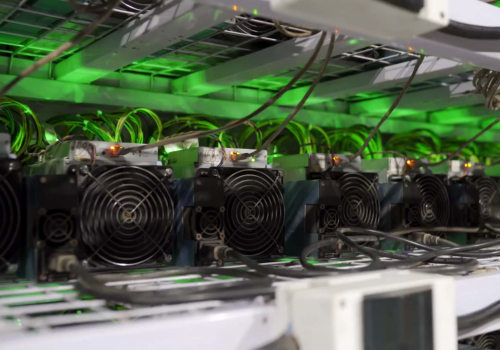
The type of hardware used for mining also plays a crucial role in determining profitability. Modern ASIC (Application-Specific Integrated Circuit) miners are designed specifically for Bitcoin mining and offer superior efficiency compared to older models or general-purpose hardware. The hash rate, which measures the computational power of a miner, directly impacts how quickly a miner can solve blocks and earn rewards. Investing in high-quality, efficient hardware can lead to better returns over time.
3.Bitcoin Market Price
The market price of Bitcoin is another vital factor affecting mining profitability.
When the price of Bitcoin rises, the potential rewards for miners increase, making it more lucrative to mine. Conversely, if the price drops significantly, it may not be worth the cost of electricity and hardware maintenance to continue mining. Miners must stay informed about market trends and be prepared to adjust their strategies accordingly.
4.Mining Difficulty
The difficulty level of mining adjusts approximately every two weeks based on the total computational power of the network. As more miners join the network and contribute their hashing power, the difficulty increases, making it harder to solve blocks and earn rewards.
This dynamic means that profitability can fluctuate over time; miners must continuously evaluate whether their operations remain viable as difficulty changes.
5.Pool vs. Solo Mining
Miners can choose between solo mining and joining a mining pool. Solo mining offers the chance to earn full rewards but comes with higher risks due to increased competition and variance in block discovery times. On the other hand, mining pools allow miners to combine their resources, increasing their chances of earning consistent payouts, albeit at a reduced rate per individual miner.
The choice between these two methods can significantly impact overall profitability. In conclusion, understanding these factors—electricity costs, hardware efficiency, market price fluctuations, mining difficulty, and the choice between solo or pool mining—is essential for anyone considering entering the world of Bitcoin mining. By carefully analyzing these elements, potential miners can make informed decisions that enhance their chances of achieving profitability.
Calculating Your Potential Earnings
Understanding how to calculate your potential earnings from Bitcoin mining is crucial for anyone considering entering this competitive field. The profitability of mining can fluctuate based on several factors, including the current price of Bitcoin, mining difficulty, and operational costs such as electricity. To make informed decisions, miners can utilize various tools and formulas to estimate their potential income. One of the most effective ways to gauge your potential earnings is by using a Bitcoin mining earnings calculator.These calculators allow you to input specific variables such as:
- Hash Rate: This is the speed at which your mining hardware can solve cryptographic puzzles. It is typically measured in hashes per second (H/s).
- Power Consumption: The amount of electricity your mining rig uses, usually measured in watts (W).
- Electricity Cost: The cost per kilowatt-hour (kWh) that you pay for electricity.
- Pool Fees: If you are part of a mining pool, this is the percentage fee taken from your earnings.
- Current Bitcoin Price: The market price of Bitcoin, which can vary significantly.
- Mining Difficulty: A measure of how hard it is to find a new block, which adjusts approximately every two weeks based on network activity.
- Total Earnings: Calculate the total number of bitcoins mined over a specific period.
- Total Costs: Sum up all operational costs, including hardware depreciation and electricity expenses.
- Profit Calculation: Subtract total costs from total earnings to determine net profit.
By regularly updating your calculations with current data, you can adapt to market changes and optimize your profitability.
Mining Pools vs. Solo Mining: Which is Better?
When it comes to Bitcoin mining, one of the most critical decisions a miner faces is whether to join a mining pool or to mine solo. Each approach has its own set of advantages and disadvantages, which can significantly impact profitability and the overall mining experience.Mining Pools: A Collaborative Approach
Mining pools are groups of miners who combine their computational resources to increase their chances of successfully mining a block. When a block is mined, the reward is distributed among all members of the pool based on their contributed hashing power.Here are some key benefits of joining a mining pool:
- Steady Income: By pooling resources, miners can achieve more consistent payouts. Instead of waiting for an unpredictable solo mining reward, miners in a pool receive smaller, more frequent payments.
- Lower Variance: Mining pools reduce the variance in earnings. Solo miners may go long periods without earning any rewards, while pool members benefit from shared success.
- Access to Resources: Many mining pools offer additional resources such as monitoring tools, tutorials, and community support, which can be invaluable for both novice and experienced miners.
Solo Mining: The Independent Route
On the other hand, solo mining involves an individual miner working independently to solve blocks without sharing their resources with others. This method has its own unique set of pros and cons:- Full Rewards: The most significant advantage of solo mining is that if you successfully mine a block, you keep the entire reward (currently 6.25 bitcoins).
This can be highly lucrative if you have sufficient hashing power.
- No Pool Fees: Solo miners do not have to pay fees associated with mining pools, which can eat into profits over time.
- Greater Control: Solo miners have complete control over their operations and can make decisions without needing to consult with others.
- High Variance: The chances of successfully mining a block are significantly lower for solo miners, leading to long periods without rewards.
- Resource Intensive: Solo mining requires substantial investment in hardware and electricity, making it less accessible for casual miners.
The Impact of Bitcoin Halving on Mining Profits
Bitcoin halving is a significant event in the cryptocurrency world that occurs approximately every four years, or after every 210,000 blocks mined. This process reduces the reward that miners receive for adding new blocks to the blockchain by half.Initially, miners earned 50 bitcoins per block; this reward has been halved multiple times, with the current reward set at 6.25 bitcoins as of the last halving in May 2020. Understanding bitcoin halving is crucial for anyone involved in or considering entering the mining space, as it directly impacts miner profitability and the overall dynamics of the Bitcoin market. The effects of halving on miners can be profound. When the block reward decreases, miners must adapt to a new economic reality where their income is reduced. This reduction can lead to increased competition among miners, as those with higher operational costs may find it challenging to remain profitable.
As a result, less efficient miners may be forced to exit the market, leading to a consolidation of mining power among larger operations that can afford to absorb the decreased rewards. Moreover, halving events often create significant volatility in Bitcoin's price. Historically, halvings have been followed by substantial price increases, as the reduced supply of new bitcoins entering circulation can lead to higher demand. This price appreciation can offset some of the negative impacts of reduced mining rewards, allowing miners to maintain or even increase their profitability despite earning fewer bitcoins per block. For miners, understanding the timing and implications of halving is essential for strategic planning. Many successful miners prepare for these events by optimizing their operations, investing in more efficient hardware, and securing lower electricity rates.
Additionally, they may choose to join mining pools to increase their chances of earning rewards consistently. In summary, bitcoin halving is a critical factor that influences mining profitability. It not only affects the immediate rewards for miners but also shapes market dynamics and pricing trends in the broader cryptocurrency ecosystem. For those considering long-term investment in Bitcoin mining, staying informed about upcoming halvings and their potential impacts is vital for making sound financial decisions.
Risks and Challenges in Bitcoin Mining
Engaging in Bitcoin mining can be a lucrative venture, but it is not without its risks and challenges. Understanding these factors is crucial for anyone considering entering this space.Market Volatility
The value of Bitcoin is notoriously volatile.
Prices can fluctuate dramatically within short periods, influenced by market sentiment, regulatory news, and macroeconomic factors. For miners, this volatility poses a significant risk:
- Profitability Fluctuations: The profitability of mining operations is directly tied to the price of Bitcoin. A sudden drop in price can render mining unprofitable, especially for those with high operational costs.
- Investment Recovery: Miners invest heavily in hardware and electricity. If Bitcoin prices fall significantly, recovering these investments becomes challenging.
Regulatory Challenges
The regulatory landscape surrounding Bitcoin and cryptocurrency mining is constantly evolving.
Different countries have varying stances on mining activities:
- Legal Restrictions: Some jurisdictions have imposed strict regulations or outright bans on mining due to environmental concerns or energy consumption issues.
- Tax Implications: Miners must navigate complex tax regulations that can affect their overall profitability. Understanding local laws is essential to avoid legal pitfalls.
Technical Challenges
The technical aspects of Bitcoin mining also present challenges:
- Hardware Costs: The initial investment in mining hardware can be substantial. As technology advances, older equipment may become obsolete, requiring further investment.
- Energy Consumption: Mining consumes a significant amount of electricity. Fluctuating energy prices can impact profitability, making it essential for miners to find cost-effective energy solutions.
Competition and Difficulty Levels
The Bitcoin network adjusts its difficulty level approximately every two weeks based on the total computational power of the network.
As more miners join the network, the difficulty increases:
- Increased Competition: More miners mean a higher level of competition for rewards, which can reduce individual miners' chances of earning Bitcoin.
- Diminishing Returns: As difficulty increases, the amount of Bitcoin earned per unit of energy expended may decrease, leading to diminishing returns over time.
Future Trends in Bitcoin Mining Profitability
As the cryptocurrency landscape continues to evolve, the future of Bitcoin mining profitability is shaped by a variety of factors, including technological advancements, regulatory changes, and market dynamics. Understanding these trends is crucial for miners looking to maximize their returns.Technological Advancements
One of the most significant trends impacting Bitcoin mining is the rapid advancement in mining hardware. The introduction of more efficient ASIC (Application-Specific Integrated Circuit) miners has drastically improved hash rates while reducing energy consumption.
Miners who invest in the latest technology can expect higher profitability due to lower operational costs and increased chances of successfully mining blocks.
Moreover, innovations in cooling technologies and renewable energy sources are becoming increasingly important. Miners are now exploring options like immersion cooling and solar power to reduce electricity costs, which can significantly impact overall profitability. As these technologies become more mainstream, they may level the playing field for smaller miners who previously struggled against larger operations.
Market Dynamics
The price of Bitcoin remains a critical factor in determining mining profitability. As demand for Bitcoin fluctuates, so too does its price, which directly affects miners' revenue.
Analysts predict that as institutional adoption increases and more companies integrate Bitcoin into their financial strategies, we may see a sustained increase in demand. This could lead to higher prices, making mining more lucrative.
Additionally, the upcoming halving events—where the reward for mining new blocks is cut in half—will also play a pivotal role in shaping future profitability. Historically, these events have led to significant price increases as supply becomes more limited. Miners must prepare for these changes by optimizing their operations and possibly adjusting their strategies based on market conditions.
Regulatory Environment
The regulatory landscape surrounding cryptocurrencies is continually evolving.
Governments worldwide are beginning to implement regulations that could impact mining operations. For instance, stricter environmental regulations may affect miners' ability to operate in certain regions, while favorable policies could encourage growth in others. Staying informed about these changes will be essential for miners aiming to maintain profitability. In conclusion, the future of Bitcoin mining profitability is influenced by a complex interplay of technology, market forces, and regulation. By staying ahead of these trends and adapting their strategies accordingly, miners can position themselves for success in an ever-changing environment.
Frequently Asked Questions about Bitcoin Mining Earnings
When it comes to bitcoin mining, many individuals have questions about potential earnings and the factors that influence profitability.Below are some of the most frequently asked questions regarding bitcoin mining earnings.
1.How much can I earn from mining bitcoins?
The earnings from mining bitcoins can vary significantly based on several factors, including the current price of bitcoin, mining difficulty, and your hardware's efficiency. As of now, miners receive a reward of 6.25 bitcoins for each block mined, but this amount is halved approximately every four years. Additionally, miners can earn transaction fees from the transactions included in the blocks they mine.2.What costs should I consider when calculating my profits?
To accurately assess your potential profits from bitcoin mining, you need to consider:- Electricity Costs: Mining consumes a significant amount of energy, and electricity costs can vary widely depending on your location.
- Hardware Costs: The initial investment in mining equipment can be substantial. More efficient hardware typically comes at a higher price.
- Cooling Costs: Mining rigs generate heat, which may require additional cooling solutions to maintain optimal performance.
- Pool Fees: If you join a mining pool to increase your chances of earning rewards, be aware that pools often charge fees that can affect your overall earnings.
3.Is it better to mine alone or join a mining pool?
This decision largely depends on your resources and goals.Mining alone can yield higher rewards if you successfully mine a block, but it also comes with greater risk due to the increased difficulty level. On the other hand, joining a mining pool allows you to combine resources with other miners, increasing the likelihood of earning consistent payouts, albeit at the cost of sharing rewards with other members.
4.How does bitcoin price affect mining profitability?
The price of bitcoin directly impacts your potential earnings. When the price rises, so does the value of the bitcoins you mine. Conversely, if the price drops significantly, it may become unprofitable to continue mining due to high operational costs.5.Can I still profit from mining with high difficulty levels?
While higher difficulty levels make it more challenging to mine bitcoins successfully, it is still possible to profit if you have efficient hardware and low electricity costs.Many miners adapt by optimizing their setups or switching between different cryptocurrencies based on market conditions. Understanding these aspects of bitcoin mining can help you make informed decisions and maximize your potential earnings in this dynamic field.
Conclusion: Is Bitcoin Mining Worth It?
As we draw our exploration of Bitcoin mining to a close, it’s essential to reflect on the various factors that determine whether this venture is a worthwhile investment. The profitability of mining Bitcoin is influenced by several key elements, including the current market price of Bitcoin, mining difficulty, hardware efficiency, and electricity costs. First and foremost, the market price of Bitcoin plays a crucial role in determining potential earnings. When Bitcoin prices soar, the rewards for miners can be substantial. Conversely, during market downturns, the profitability can diminish significantly.Therefore, prospective miners must stay informed about market trends and price fluctuations. Another critical factor is the mining difficulty , which adjusts approximately every two weeks based on the total computational power of the network. As more miners join the network, the difficulty increases, making it harder to earn rewards. This means that new miners may find it challenging to compete with established operations that have more advanced technology and resources. The efficiency of mining hardware cannot be overlooked either. Investing in high-performance mining rigs can lead to greater profitability due to lower energy consumption and higher hash rates.
Miners should conduct thorough research to identify the best equipment that balances cost and performance. Moreover, electricity costs are a significant expense in the mining process. Miners located in regions with low electricity rates have a distinct advantage over those in areas with higher costs. It’s vital for miners to calculate their operational expenses accurately to ensure that their mining activities remain profitable. In conclusion, while Bitcoin mining can be lucrative under the right conditions, it is not without its challenges. Potential miners should carefully assess their circumstances and consider factors such as market volatility, hardware investment, and ongoing operational costs before diving into this complex landscape.
Ultimately, whether Bitcoin mining is worth it will depend on individual goals, risk tolerance, and commitment to navigating this ever-evolving industry.
Top Articles