A Comprehensive Guide to Safely Withdrawing Money from Bitcoin ATMs
Learn how to safely withdraw cash from Bitcoin ATMs with our comprehensive guide, covering types, fees, and safety tips.
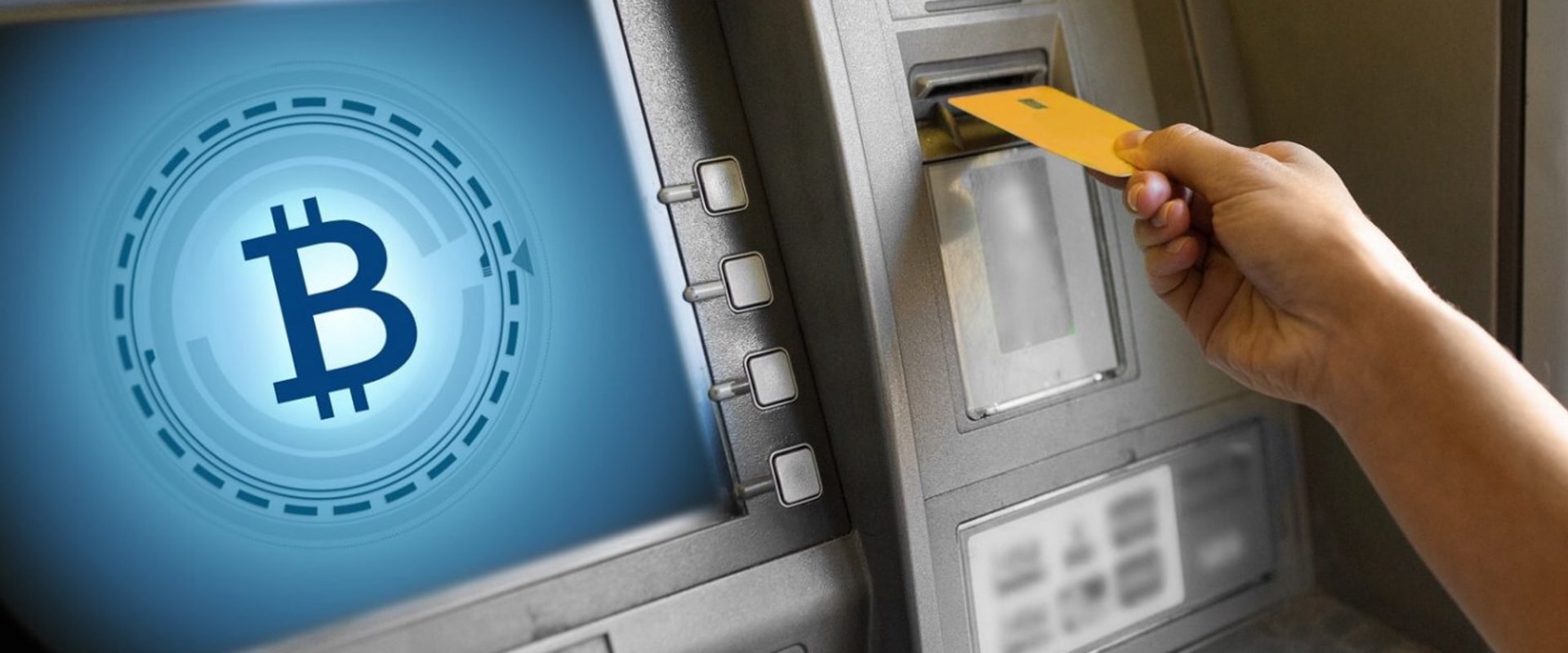


Bitcoin ATMs, often referred to as BTMs, are specialized machines that allow users to buy and sell Bitcoin and other cryptocurrencies for cash. Unlike traditional ATMs that dispense fiat currency from a bank account, Bitcoin ATMs facilitate transactions directly with digital currencies. This innovative technology has made it easier for individuals to access their cryptocurrency holdings and convert them into cash, providing a bridge between the digital and physical financial worlds. Understanding how Bitcoin ATMs work is crucial for anyone looking to utilize these machines. Typically, a user approaches the ATM, selects the option to withdraw cash, and then follows the on-screen prompts.
This process usually involves scanning a QR code from a digital wallet to receive the funds. Depending on the machine's capabilities, users may also need to complete identity verification steps, which can include providing a phone number or scanning an ID. The entire transaction is designed to be quick and user-friendly, making it an appealing option for both seasoned cryptocurrency enthusiasts and newcomers alike. There are primarily two types of Bitcoin ATMs: one-way and two-way machines. One-way ATMs only allow users to purchase Bitcoin using cash or debit cards, while two-way ATMs enable users to both buy and sell Bitcoin.
This distinction is important as it affects how users can interact with their cryptocurrency holdings. Additionally, the availability of these machines can vary significantly by location, with some areas having multiple options while others may have none at all. Understanding these differences is essential for ensuring a smooth transaction experience. As the popularity of Bitcoin continues to grow, so does the number of Bitcoin ATMs worldwide. However, with this convenience comes the responsibility of ensuring safe usage practices.
Being aware of the various types of ATMs and their functionalities not only enhances your understanding but also prepares you for a secure transaction experience.
Types of Bitcoin ATMs
When navigating the world of Bitcoin ATMs, it is essential to understand the different types available, as each serves distinct purposes and offers varying functionalities. The two primary categories of Bitcoin ATMs are one-way and two-way machines.One-Way Bitcoin ATMs
One-way Bitcoin ATMs are designed exclusively for purchasing cryptocurrency. Users can deposit cash into these machines to buy Bitcoin or other cryptocurrencies, but they cannot sell their digital assets for cash. This type of ATM is ideal for individuals looking to enter the cryptocurrency market without the need for immediate liquidity.One-way ATMs typically require users to follow a straightforward process:
- Insert cash into the machine.
- Provide a Bitcoin wallet address, either by scanning a QR code or entering it manually.
- Confirm the transaction and receive the purchased cryptocurrency in their wallet.
Two-Way Bitcoin ATMs
In contrast, two-way Bitcoin ATMs allow users to both buy and sell cryptocurrencies. This flexibility makes them particularly valuable for those who wish to convert their digital assets back into fiat currency. The process for using a two-way ATM generally involves:- Selecting whether to buy or sell cryptocurrency.
- If selling, scanning a QR code from your wallet or entering your wallet address.
- Inserting the amount of cryptocurrency you wish to sell.
- Receiving cash in exchange for your digital assets.
Features of Bitcoin ATMs
Regardless of the type, many Bitcoin ATMs come equipped with various features that enhance user experience:- KYC Compliance: Many machines require users to complete Know Your Customer (KYC) verification, which may involve providing identification or phone number verification.
- User-Friendly Interfaces: Most Bitcoin ATMs are designed with intuitive interfaces that guide users through each step of the transaction process.
- Transaction Limits: Operators often set upper and lower limits on transactions, which can vary by machine and location.
- Security Features: Many ATMs incorporate security measures such as surveillance cameras and secure cash handling systems to protect both users and operators.
How to Find a Bitcoin ATM Near You
Locating a Bitcoin ATM can be a straightforward process if you know where to look.With the increasing popularity of cryptocurrencies, many tools and resources have emerged to help users find Bitcoin ATMs in their vicinity. Here are some effective methods to help you find a Bitcoin ATM near you:
- Online Bitcoin ATM Locators: Numerous websites specialize in mapping Bitcoin ATMs across the globe. Websites like CoinATMRadar provide comprehensive databases of Bitcoin ATMs, including their locations, fees, and supported cryptocurrencies. Simply enter your city or zip code to see a list of nearby ATMs.
- Mobile Apps: Several mobile applications are available for both Android and iOS that can help you locate Bitcoin ATMs.
Apps such as Mycelium and CoinATMRadar not only show ATM locations but also provide real-time information about fees and limits. These apps often include user reviews, which can help you gauge the reliability of each ATM.
- Google Maps: A simple search on Google Maps can yield results for Bitcoin ATMs in your area. Just type "Bitcoin ATM" into the search bar, and Google will display nearby locations along with user ratings and directions. This method is particularly useful if you're already out and about.
- Local Cryptocurrency Communities: Engaging with local cryptocurrency groups on social media platforms or forums can provide insights into the best places to find Bitcoin ATMs.
Members often share their experiences and recommend specific ATMs based on reliability and security.
- KYC Compliance: Ensure that the ATM complies with Know Your Customer (KYC) regulations, which can help protect your identity and funds.
- User Reviews: Look for feedback from other users regarding their experiences at specific ATMs. This can provide valuable insights into the reliability of the machine.
- Transaction Limits: Be aware of any withdrawal limits that may apply at different ATMs, as these can vary significantly.
Safety Measures When Using Bitcoin ATMs
When using a Bitcoin ATM, ensuring your safety should be a top priority.Here are some essential bitcoin ATM safety tips to help you navigate the process securely:
- Choose a Secure Location: Always opt for Bitcoin ATMs located in well-lit, busy areas. Avoid machines in isolated or poorly monitored locations, as these can be hotspots for criminal activity.
- Verify the ATM's Legitimacy: Before using a Bitcoin ATM, check if it is operated by a reputable company. Look for reviews online and ensure that the machine complies with local regulations.
- Be Aware of Your Surroundings: When using the ATM, stay vigilant. Be cautious of anyone loitering nearby or attempting to distract you while you conduct your transaction.
- Use a Secure Connection: If the ATM requires you to connect to Wi-Fi, ensure that it is a secure network.
Avoid public Wi-Fi networks that could expose your personal information.
- Limit Personal Information Sharing: Be cautious about providing personal information. Only share what is necessary for the transaction and avoid disclosing sensitive details.
- Phishing Scams: Be wary of unsolicited messages or emails asking for your wallet information or private keys. Always verify the source before clicking on any links.
- Fake ATMs: Some scammers set up fake Bitcoin ATMs that do not actually process transactions.
Research the machine's operator and confirm its legitimacy before proceeding.
- Overly High Fees: If an ATM charges exorbitant fees compared to others in the area, it may be a red flag. Always compare fees before making a transaction.
Understanding Fees and Limits at Bitcoin ATMs
When using a Bitcoin ATM, understanding the associated fees and withdrawal limits is crucial for a smooth transaction experience. These factors can significantly impact the amount of cash you receive in exchange for your cryptocurrency.Bitcoin ATM Fees
- Transaction Fees: Most Bitcoin ATMs charge a transaction fee that can range from 5% to 15% of the total amount being withdrawn.
This fee is typically higher than what you might encounter with traditional banking services, reflecting the convenience and speed of the service.
- Network Fees: In addition to transaction fees, users may also incur network fees, which are costs associated with processing the Bitcoin transaction on the blockchain. These fees can fluctuate based on network congestion and are usually deducted from the total amount of Bitcoin being sold.
- Service Fees: Some ATMs may impose additional service fees for identity verification or other compliance measures. These fees can vary widely depending on the operator and the specific machine.
Withdrawal Limits at Bitcoin ATMs
Withdrawal limits at Bitcoin ATMs can vary significantly based on several factors:
- Operator Policies: Each Bitcoin ATM operator sets its own withdrawal limits, which can be influenced by local regulations and business practices. It’s essential to check these limits before initiating a transaction.
- KYC Requirements: Many Bitcoin ATMs require users to complete Know Your Customer (KYC) procedures, which may include providing identification.
Depending on the level of verification required, this can affect your withdrawal limit.
- Daily and Monthly Limits: Some ATMs impose daily or monthly withdrawal limits to mitigate risks associated with fraud and money laundering. Be sure to inquire about these limits if you plan to make larger transactions.
The Withdrawal Process: Step-by-Step Guide
Withdrawing cash from a Bitcoin ATM can be a straightforward process if you follow the right steps. Below is a detailed guide to help you navigate through the withdrawal process smoothly.- Locate a Bitcoin ATM: Start by finding a nearby Bitcoin ATM. You can use online maps or dedicated websites that list Bitcoin ATM locations.
Ensure that the machine you choose supports cash withdrawals, as not all ATMs have this functionality.
- Prepare Your Wallet: Before heading to the ATM, make sure you have a Bitcoin wallet set up on your smartphone or another device. This wallet will be necessary for receiving the funds from your Bitcoin sale.
- Verify the ATM’s Requirements: Check if the ATM requires any identification or personal information. Some machines may ask for a phone number or may require you to complete KYC (Know Your Customer) verification, which could involve scanning your ID.
- Initiate the Withdrawal: Once at the ATM, select the option to sell Bitcoin for cash. The interface will guide you through the process.
You may need to enter your phone number or scan your ID if required.
- Enter Your Bitcoin Amount: Specify how much Bitcoin you wish to sell. Be aware of any limits imposed by the ATM operator, as these can vary significantly between machines.
- Receive a QR Code: After entering the amount, the ATM will generate a QR code linked to your wallet. Use your wallet app to scan this code, which will facilitate the transfer of Bitcoin from your wallet to the ATM.
- Confirm the Transaction: Review all details on the screen before confirming the transaction. Ensure that everything is correct, including the amount of Bitcoin being sold and any fees associated with the transaction.
- Complete the Sale: Once confirmed, the ATM will process your transaction.
This may take a few moments as it verifies and processes your Bitcoin transfer.
- Collect Your Cash: After processing, the machine will dispense your cash. Make sure to take your money and any receipt provided by the ATM for your records.
Common Issues and Troubleshooting Tips
Using a Bitcoin ATM can be a straightforward process, but like any technology, users may encounter issues. Understanding these common problems and knowing how to troubleshoot them can enhance your experience and ensure a smooth transaction.1.Transaction Failure
One of the most common issues users face is transaction failure.
This can occur for several reasons:
- Insufficient Funds: Ensure that you have enough Bitcoin in your wallet to cover the transaction amount and any associated fees.
- Network Issues: Bitcoin transactions rely on network connectivity. If the ATM is experiencing connectivity problems, it may not process your transaction.
- ATM Malfunction: Occasionally, the ATM itself may be out of order. Look for any error messages displayed on the screen.
2.Identification Issues
Many Bitcoin ATMs require users to verify their identity through KYC (Know Your Customer) processes.
Common identification issues include:
- Invalid ID: Ensure that the identification you provide is valid and matches the name on your Bitcoin wallet.
- Expired Documents: Check that your ID has not expired, as this can lead to rejection during verification.
- Camera Malfunction: If the ATM's camera is not functioning correctly, it may not read your ID properly. In such cases, try repositioning your ID or using a different ATM.
3.Withdrawal Limits
Bitcoin ATMs often have withdrawal limits that can vary by machine and operator. Users may find themselves unable to withdraw their desired amount due to these limits.
To avoid this issue:
- Check Limits: Before initiating a transaction, check the posted withdrawal limits on the ATM screen or its website.
- Multiple Transactions: If you need more cash than allowed in one transaction, consider making multiple smaller withdrawals.
4.Customer Support
If you experience persistent issues or have questions about using a Bitcoin ATM, do not hesitate to reach out to customer support. Most operators provide contact information on their machines or websites. They can assist with troubleshooting and resolving any problems you may encounter. By being aware of these common issues and following these troubleshooting tips, you can navigate Bitcoin ATMs more effectively and enjoy a seamless experience when withdrawing cash in exchange for your cryptocurrency.
Regulations Surrounding Bitcoin ATMs in the U. S.
In the United States, the regulatory landscape for Bitcoin ATMs is complex and varies significantly from state to state.Understanding these regulations is essential for both operators and users to ensure compliance and avoid potential legal issues.
Federal Regulations
At the federal level, Bitcoin ATMs are primarily regulated by the Financial Crimes Enforcement Network (FinCEN). According to FinCEN, operators of Bitcoin ATMs are classified as money services businesses (MSBs). This classification requires them to register with FinCEN, implement anti-money laundering (AML) programs, and comply with know your customer (KYC) regulations. These regulations are designed to prevent illicit activities such as money laundering and fraud.
State Regulations
In addition to federal regulations, many states have their own specific laws governing Bitcoin ATMs.
For instance, some states require operators to obtain a money transmitter license, which can involve a rigorous application process and compliance with additional state-level regulations. States like New York have particularly stringent requirements, including the BitLicense, which mandates comprehensive consumer protection measures and compliance protocols.
KYC and AML Compliance
Compliance with KYC and AML regulations is crucial for Bitcoin ATM operators. KYC procedures typically involve verifying the identity of users through government-issued identification and sometimes additional documentation. This process helps ensure that transactions are legitimate and traceable.
Operators must also monitor transactions for suspicious activity and report any findings to the appropriate authorities.
Withdrawal Limits and Fees
Many Bitcoin ATMs impose withdrawal limits that can vary based on the operator's policies or state regulations. Users should be aware of these limits before attempting a transaction, as exceeding them may result in denied transactions or additional fees. Furthermore, transaction fees can also vary widely between different ATMs, so it’s advisable to check the fee structure beforehand.
Conclusion
Understanding the legal aspects surrounding Bitcoin ATMs is vital for ensuring safe and compliant transactions. Users should familiarize themselves with both federal and state regulations, as well as the specific policies of the ATM they intend to use.
By doing so, they can navigate the complexities of Bitcoin ATM usage while minimizing risks associated with non-compliance.
Frequently Asked Questions (FAQs)
When it comes to using Bitcoin ATMs, many users have questions regarding their functionality, safety, and regulations. Below are some of the most frequently asked questions that can help clarify common concerns and enhance user confidence.What is a Bitcoin ATM?
A Bitcoin ATM is a kiosk that allows users to buy or sell Bitcoin and other cryptocurrencies for cash. Unlike traditional ATMs, which are linked to bank accounts, Bitcoin ATMs connect directly to the blockchain, enabling users to conduct cryptocurrency transactions quickly and easily.How do I use a Bitcoin ATM?
Using a Bitcoin ATM typically involves the following steps:- Locate a nearby Bitcoin ATM using an online map or app.
- Verify the machine's functionality—some ATMs only allow purchases, while others permit both buying and selling.
- Follow the on-screen instructions, which usually include scanning your wallet QR code and entering the amount of cryptocurrency you wish to buy or sell.
- If selling, deposit your Bitcoin into the machine as instructed.
- Complete the transaction by confirming the details and receiving your cash or transaction receipt.
Are there fees associated with using Bitcoin ATMs?
Yes, most Bitcoin ATMs charge transaction fees that can vary significantly between machines. These fees are typically higher than those found on online exchanges due to the convenience and immediacy of cash transactions.Always check the fee structure before proceeding with a transaction.
Is it safe to use a Bitcoin ATM?
While using a Bitcoin ATM can be safe, it is essential to take precautions:- Choose reputable operators: Use machines from well-known companies that comply with local regulations.
- Be aware of your surroundings: Ensure you are in a secure location when conducting transactions.
- Protect your information: Avoid sharing personal details unless absolutely necessary for KYC compliance.
What should I do if I encounter issues with a Bitcoin ATM?
If you experience problems such as failed transactions or machine malfunctions, contact the operator's customer service immediately. Most reputable companies provide support through their websites or customer service hotlines. By understanding these common questions and their answers, users can navigate the world of Bitcoin ATMs more confidently and safely.Conclusion: Key Takeaways for Safe Withdrawals from Bitcoin ATMs
In conclusion, withdrawing money from a Bitcoin ATM can be a straightforward process if you are well-informed and take the necessary precautions. Here are the key takeaways to ensure your transactions are safe and secure:- Understand the Type of ATM: Not all Bitcoin ATMs function the same way. Some allow only purchases, while others enable both buying and selling of cryptocurrencies.
Familiarize yourself with the specific machine you plan to use.
- Check for Compliance: Always use ATMs from reputable operators that comply with local regulations. This includes having proper KYC (Know Your Customer) procedures in place. A compliant ATM is more likely to provide a secure transaction experience.
- Be Aware of Fees: Transaction fees can vary significantly between different Bitcoin ATMs. Before proceeding with a withdrawal, check the fee structure to avoid unexpected costs.
- Know Your Limits: Each Bitcoin ATM may have its own withdrawal limits, which can be influenced by local laws and the operator's policies.
Always verify these limits beforehand to ensure your transaction can be completed as intended.
- Protect Your Information: When using a Bitcoin ATM, you may be required to provide personal information or identification. Ensure that you are comfortable with the data you are sharing and that it is being handled securely.
- Stay Vigilant: As with any financial transaction, remain aware of your surroundings when using a Bitcoin ATM. Look out for any suspicious activity or individuals nearby, and trust your instincts if something feels off.
With proper knowledge and caution, you can enjoy a seamless and secure experience.
Top Articles