A Comprehensive Guide to Understanding Bitcoin ATMs
Explore how Bitcoin ATMs work, their types, transaction processes, and security measures in this comprehensive guide to cryptocurrency access.
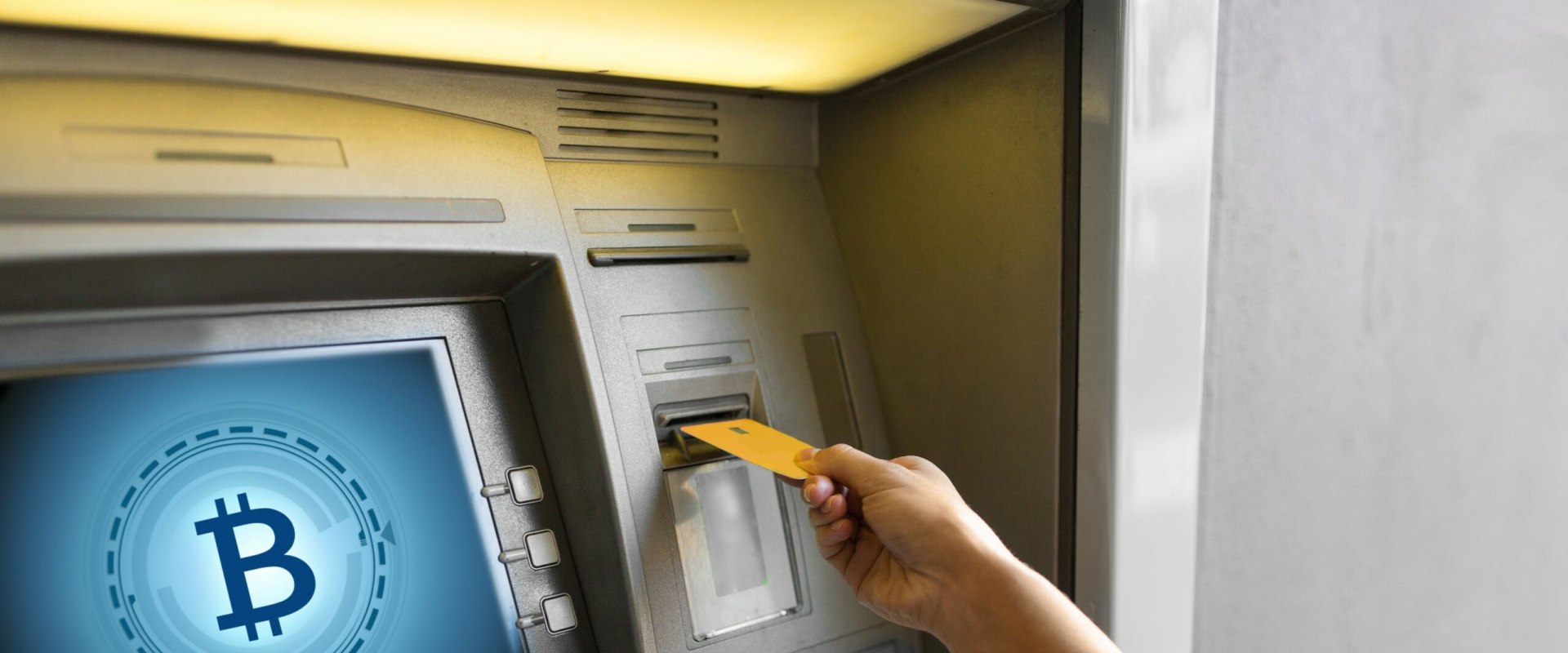

In recent years, the rise of cryptocurrencies has transformed the financial landscape, and at the forefront of this revolution are Bitcoin ATMsBitcoin ATMs. These innovative machines serve as a bridge between traditional cash transactions and the digital currency world, allowing users to buy and sell Bitcoin with ease. Unlike conventional ATMs that facilitate bank transactions, Bitcoin ATMs are specifically designed for cryptocurrency exchanges, making them a vital component in the growing adoption of digital currencies. Understanding how Bitcoin ATMs work is essential for anyone looking to navigate the world of cryptocurrency. These kiosks operate by connecting to the blockchain, enabling users to purchase Bitcoin using cash or debit cards.
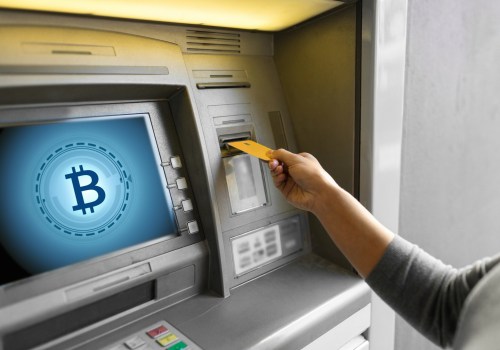
The process is straightforward: users scan a QR code linked to their digital wallet, insert cash or swipe their card, and within moments, the purchased Bitcoin is transferred directly to their wallet. This seamless transaction process not only simplifies buying Bitcoin but also enhances accessibility for those who may not be familiar with online exchanges. The significance of Bitcoin ATMs extends beyond mere convenience; they represent a shift in how people perceive and interact with money. As more individuals seek alternatives to traditional banking systems, Bitcoin ATMs provide an accessible entry point into the cryptocurrency market. Their growing presence in various locations—from gas stations to shopping malls—highlights the increasing demand for easy access to digital currencies.
In this article, we will delve deeper into the mechanics of Bitcoin ATMs, exploring their functionality, benefits, and the regulatory landscape that governs their operation.
What is a Bitcoin ATM?
A Bitcoin ATM is a specialized kiosk that allows users to buy and sell Bitcoin and other cryptocurrencies using cash or debit cards. Unlike traditional ATMs, which facilitate transactions involving fiat currencies and bank accounts, Bitcoin ATMs operate solely within the realm of digital currencies. This distinction is crucial for understanding how these machines function and their role in the broader cryptocurrency ecosystem. At its core, a Bitcoin ATM serves as a bridge between the physical world and the digital currency landscape. When a user approaches a Bitcoin ATM, they can initiate a transaction that either converts their cash into Bitcoin or vice versa.The process typically involves scanning a QR code linked to the user's cryptocurrency wallet, ensuring that the purchased Bitcoin is sent directly to their digital wallet.
Types of Bitcoin ATMs
Bitcoin ATMs can be categorized into two main types based on their functionalities:- One-Way Bitcoin ATMs: These machines allow users to purchase Bitcoin only. Users insert cash or use a debit card to buy Bitcoin, which is then transferred to their wallet. One-way ATMs are ideal for individuals looking to enter the cryptocurrency market without the option to sell their holdings at the same machine.
-
Two-Way Bitcoin ATMs: These more versatile machines enable users to both buy and sell Bitcoin. Users can deposit cash to purchase Bitcoin or sell their Bitcoin for cash.
This functionality provides greater flexibility for users who wish to manage their cryptocurrency investments actively.
- Multi-Currency Support: Certain ATMs allow transactions in various cryptocurrencies beyond just Bitcoin, catering to a broader audience.
- User Verification: Many machines require users to complete a verification process, especially for larger transactions, which may involve providing identification or phone number verification.
How Do Bitcoin ATMs Work?
Understanding the operational mechanics of Bitcoin ATMs is essential for anyone looking to engage with cryptocurrency in a convenient manner. These machines function as a bridge between traditional cash transactions and the digital world of Bitcoin, allowing users to buy or sell Bitcoin with relative ease.How Bitcoin ATMs Operate
Bitcoin ATMs are equipped with specialized software that connects to the blockchain, enabling them to facilitate transactions securely. When a user approaches a Bitcoin ATM, they are typically greeted by a user-friendly interface that guides them through the transaction process.
The first step usually involves selecting whether they want to buy or sell Bitcoin.
For purchasing Bitcoin, users must input the amount they wish to buy and then provide their Bitcoin wallet address. This is often done by scanning a QR code generated by their wallet application. The ATM then calculates the current exchange rate and displays any associated fees before confirming the transaction.
The Transaction Process
- Select Transaction Type: Users choose whether to buy or sell Bitcoin.
- Input Amount: The desired amount of Bitcoin is entered into the machine.
- Wallet Address: For purchases, users scan their wallet's QR code; for sales, they may need to enter their wallet information manually.
- Verification: Depending on the amount, some ATMs may require identity verification through a phone number or ID scan.
- Payment: For buying, users insert cash or use a debit card; for selling, they receive cash after confirming the transaction.
- Transaction Confirmation: Once completed, users receive a receipt detailing the transaction and can check their wallet for confirmation of the Bitcoin transfer.
Using a Bitcoin ATM
The process of using a Bitcoin ATM is designed to be straightforward, but it’s important for users to be aware of certain factors. First, having a compatible Bitcoin wallet is crucial; this wallet will store the purchased Bitcoin securely.
Additionally, users should be mindful of transaction fees, which can vary significantly between different ATMs. These fees are often higher than those found on online exchanges due to the convenience and immediacy that ATMs provide. In summary, Bitcoin ATMs offer an accessible way for individuals to engage with cryptocurrency. By understanding how these machines operate and the steps involved in transactions, users can navigate this innovative financial technology with confidence.
The Transaction Process: Step-by-Step Guide
Using a Bitcoin ATM can seem daunting at first, but understanding the transaction process can make it straightforward. Below is a step-by-step guide to help you navigate buying or selling Bitcoin at an ATM.-
Locate a Bitcoin ATM: Start by finding a nearby Bitcoin ATM.
You can use online maps or dedicated websites that list Bitcoin ATM locations. Ensure the machine supports the transaction type you want, whether buying or selling.
- Prepare Your Wallet: Before approaching the ATM, ensure you have a Bitcoin wallet set up on your smartphone or another device. This wallet will store your purchased Bitcoin. If you don’t have one, consider downloading a reputable wallet app from the App Store or Google Play.
-
Initiate the Transaction: Once at the ATM, follow the on-screen instructions.
Most machines will prompt you to select whether you want to buy or sell Bitcoin. Choose your desired option.
- Verify Your Identity: Depending on the amount of Bitcoin you wish to buy or sell, you may need to verify your identity. This could involve scanning your ID or entering your phone number for verification purposes. Be prepared for this step, especially if you're making a large transaction.
-
Input Amount: Enter the amount of Bitcoin you wish to purchase or sell.
The ATM will display the current exchange rate and any applicable fees. Review this information carefully before proceeding.
- Complete Payment: If buying Bitcoin, insert cash into the machine as prompted. For selling, follow the instructions to receive cash in exchange for your Bitcoin. Ensure that you keep any receipts provided by the machine for your records.
-
Receive Confirmation: After completing the transaction, wait for confirmation on the screen.
If you purchased Bitcoin, it should be sent directly to your wallet address, which you can scan using a QR code displayed on the ATM screen.
- Check Your Wallet: Finally, open your Bitcoin wallet app to confirm that the transaction has been completed successfully and that your balance reflects the new amount of Bitcoin.
Verification and Security Measures
When it comes to using Bitcoin ATMs, understanding the verification and security measures in place is crucial for ensuring a safe transaction experience. These machines, while convenient, operate in a landscape that requires strict adherence to regulations and robust security protocols to protect users from potential fraud and theft.Verification Process at Bitcoin ATMs
Most Bitcoin ATMs require some form of user verification before allowing transactions. This process is designed to comply with anti-money laundering (AML) regulations and to ensure that the person using the machine is indeed the owner of the funds being transacted.
The verification steps can vary depending on the machine and the amount of Bitcoin being purchased or sold.
- Identity Verification: Many Bitcoin ATMs will ask users to provide a phone number or scan a government-issued ID. This step helps to confirm the identity of the user and can deter fraudulent activities.
- Phone Verification: After entering a phone number, users may receive a text message with a verification code that must be entered into the ATM. This two-factor authentication adds an extra layer of security.
- Wallet Verification: Users must have a digital wallet ready to receive their Bitcoin. The ATM will typically require scanning a QR code from the wallet app, ensuring that the funds are sent directly to the correct address.
Security Measures Implemented
The security of Bitcoin ATMs is paramount, not only for user safety but also for maintaining trust in cryptocurrency transactions.
Here are some key security measures that are commonly implemented:
- Encryption: Transactions conducted through Bitcoin ATMs are encrypted, which protects sensitive information from being intercepted by malicious actors.
- Real-time Monitoring: Many operators employ real-time monitoring systems that track transactions and flag any suspicious activity. This proactive approach helps in identifying potential fraud before it escalates.
- Compliance with Regulations: Bitcoin ATM operators must adhere to local laws and regulations, including those set forth by the Financial Crimes Enforcement Network (FinCEN). Compliance ensures that operators implement necessary security measures to protect users.
Safety of Bitcoin ATMs
The safety of using Bitcoin ATMs largely depends on the operator's adherence to security protocols and regulations. Users should always choose machines from reputable providers and be aware of their surroundings when conducting transactions.
Additionally, it is advisable to limit the amount of cash used in any single transaction and to regularly monitor your digital wallet for any unauthorized activity. In conclusion, while Bitcoin ATMs offer a convenient way to buy and sell cryptocurrency, understanding their verification processes and security measures is essential for ensuring a safe transaction experience. By being informed and cautious, users can enjoy the benefits of these machines while minimizing risks.
Fees and Exchange Rates at Bitcoin ATMs
When using a Bitcoin ATM, it is essential to understand the fees and exchange rates that apply to your transactions. These factors can significantly impact the overall cost of acquiring or selling Bitcoin, making it crucial for users to be informed before proceeding.Understanding Bitcoin ATM Fees
Bitcoin ATMs typically charge a fee for their services, which can vary widely depending on the machine's operator and location. On average, users can expect to pay between 5% to 10% of the transaction amount in fees.
However, some ATMs may impose even higher fees, especially in areas where competition is limited. The fees are generally structured as follows:
- Transaction Fees: This is the primary fee charged for using the ATM. It is usually a percentage of the total amount being transacted.
- Network Fees: In addition to transaction fees, users may incur network fees that are associated with processing the Bitcoin transaction on the blockchain.
- Service Fees: Some operators may charge additional service fees for specific functionalities, such as selling Bitcoin or converting it into cash.
Exchange Rates at Bitcoin ATMs
The exchange rate at a Bitcoin ATM is another critical aspect to consider. Unlike traditional exchanges that offer competitive market rates, Bitcoin ATMs often set their own rates based on various factors, including:
- Market Volatility: The price of Bitcoin can fluctuate rapidly. ATMs may adjust their rates frequently to reflect current market conditions.
-
Location: The geographical location of the ATM can influence its exchange rate.
ATMs in high-demand areas may charge higher rates due to increased foot traffic.
- Operational Costs: The costs associated with maintaining and operating the ATM can also affect the exchange rate offered to users.
Conclusion
In summary, while Bitcoin ATMs provide a convenient way to buy and sell cryptocurrencies, users should be aware of the associated fees and exchange rates. By understanding these costs, you can make more informed decisions and potentially save money when transacting with Bitcoin ATMs.
Where to Find Bitcoin ATMs?
Locating a Bitcoin ATM can be a straightforward process if you know where to look. With the growing popularity of cryptocurrencies, these machines are becoming increasingly available in various locations, making it easier for users to buy and sell Bitcoin.Here are some effective methods to find a Bitcoin ATM near you.
- Online Maps and Directories: One of the most efficient ways to locate a Bitcoin ATM is by using online maps and directories specifically designed for this purpose. Websites like CoinATMRadar provide comprehensive listings of Bitcoin ATMs worldwide. You can search by your location, view the nearest ATMs on a map, and even check their operational status.
-
Mobile Apps: Several mobile applications are available that can help you find Bitcoin ATMs. Apps like Blockchain Wallet and Coinbase often include features that allow users to locate nearby ATMs.
These apps may also provide additional information such as fees, limits, and supported cryptocurrencies.
- Local Cryptocurrency Communities: Engaging with local cryptocurrency communities can also be beneficial. Online forums, social media groups, and local meetups often share information about the best places to find Bitcoin ATMs. Websites like Reddit have dedicated subreddits where users discuss their experiences and share tips on locating ATMs.
-
Retail Locations: Many Bitcoin ATMs are installed in retail locations such as gas stations, convenience stores, and shopping malls. If you frequent these places, keep an eye out for signage indicating the presence of a Bitcoin ATM.
Additionally, some retailers may have partnerships with Bitcoin ATM providers, making it easier to find them in familiar locations.
- Word of Mouth: Don’t underestimate the power of word of mouth. Asking friends or acquaintances who are involved in cryptocurrency can lead you to nearby ATMs that may not be listed online. Personal recommendations can often provide insights into the best machines in your area.
Legal Regulations Surrounding Bitcoin ATMs
The legal landscape surrounding Bitcoin ATMs is complex and varies significantly from one jurisdiction to another.As these machines facilitate the buying and selling of cryptocurrencies, they fall under various regulatory frameworks aimed at preventing illicit activities such as money laundering and fraud. In the United States, Bitcoin ATM operators are primarily governed by the Financial Crimes Enforcement Network (FinCEN). This federal agency mandates that all operators register as money services businesses (MSBs). By doing so, they must comply with the Bank Secrecy Act (BSA) , which includes implementing anti-money laundering (AML) measures. These measures typically involve:
- Customer Identification Programs (CIP): Operators must verify the identity of users, especially for transactions exceeding a certain threshold.
- Transaction Monitoring: Continuous monitoring of transactions to detect suspicious activities.
- Reporting Requirements: Filing reports for transactions that meet specific criteria, such as suspicious activity reports (SARs) and currency transaction reports (CTRs).
For instance, some states require operators to obtain specific licenses or permits before deploying machines. This can include compliance with state-level AML regulations and consumer protection laws. Failure to adhere to these regulations can result in hefty fines or even criminal charges. Moreover, the legal framework is continually evolving as governments around the world seek to adapt to the rapid growth of cryptocurrency usage. For example, some jurisdictions are exploring more stringent regulations that could impact how Bitcoin ATMs operate.
This includes potential requirements for enhanced user verification processes or limits on transaction amounts. As a result, it is crucial for Bitcoin ATM operators to stay informed about both federal and state regulations. Engaging with legal experts who specialize in cryptocurrency law can help ensure compliance and mitigate risks associated with operating these machines. In summary, understanding the legal regulations surrounding Bitcoin ATMs is essential for both operators and users. Compliance with AML laws and other regulatory requirements not only protects businesses but also fosters trust among consumers in the burgeoning cryptocurrency market.
The Future of Bitcoin ATMs
The landscape of Bitcoin ATMs is rapidly evolving, reflecting the broader trends in the cryptocurrency market. As more individuals and businesses recognize the value of digital currencies, the demand for accessible and user-friendly platforms to buy and sell Bitcoin is increasing.This section delves into the anticipated growth and transformation of Bitcoin ATMs, highlighting key trends that are shaping their future. One significant trend is the expansion of Bitcoin ATM networks across various regions. As of now, the United States leads in the number of Bitcoin ATMs, but other countries are catching up. Emerging markets in Asia and Africa are beginning to see a rise in Bitcoin ATM installations, driven by a growing interest in cryptocurrencies as a means of financial inclusion. This trend is expected to continue as more people seek alternatives to traditional banking systems. Another noteworthy development is the enhancement of user experience.
Future Bitcoin ATMs are likely to incorporate advanced technologies such as biometric verification and artificial intelligence to streamline transactions and improve security. These innovations will not only make transactions faster but also enhance user confidence, particularly among those who may be hesitant to engage with cryptocurrencies. Moreover, the integration of additional cryptocurrencies into Bitcoin ATMs is on the horizon. While Bitcoin remains the dominant player, many users are interested in altcoins like Ethereum and Litecoin. As demand for these currencies grows, we can expect more ATMs to offer multi-currency options, allowing users to diversify their investments directly from the kiosk. Furthermore, regulatory frameworks surrounding cryptocurrencies are becoming clearer.
As governments around the world establish guidelines for cryptocurrency transactions, Bitcoin ATM operators will need to adapt accordingly. Compliance with regulations will not only enhance legitimacy but also foster trust among users, paving the way for broader adoption. In conclusion, the future of Bitcoin ATMs looks promising, characterized by increased accessibility, improved technology, and a broader range of services. As these machines become more prevalent and user-friendly, they will play a crucial role in bridging the gap between traditional finance and the burgeoning world of cryptocurrencies.
Frequently Asked Questions about Bitcoin ATMs
As Bitcoin ATMs gain popularity, many users have questions about their functionality, security, and usage. Here are some of the most frequently asked questions regarding Bitcoin ATMs:-
What is a Bitcoin ATM?
A Bitcoin ATM is a kiosk that allows users to buy and sell Bitcoin and other cryptocurrencies using cash or debit cards.Unlike traditional ATMs, they do not connect to bank accounts but instead facilitate transactions directly on the blockchain.
-
How do I use a Bitcoin ATM?
To use a Bitcoin ATM, you need a cryptocurrency wallet to store your Bitcoin. Start by selecting the option to buy or sell Bitcoin on the machine. Follow the on-screen instructions, which typically involve scanning a QR code from your wallet and inserting cash or using a debit card for purchases. -
Are there fees associated with using Bitcoin ATMs?
Yes, most Bitcoin ATMs charge a transaction fee that can range from 5% to 15% of the transaction amount. This fee covers the convenience of using the machine and varies by location and operator. -
Do I need to provide identification?
Identification requirements vary by ATM operator and local regulations.Some machines may require you to verify your identity through a phone number or ID, especially for larger transactions.
-
Can I sell Bitcoin at an ATM?
Many modern Bitcoin ATMs offer two-way functionality, allowing users to both buy and sell Bitcoin for cash. However, not all machines have this capability, so it’s essential to check before attempting to sell. -
Is it safe to use a Bitcoin ATM?
While using a Bitcoin ATM is generally safe, it’s crucial to take precautions. Ensure you are in a secure location when making transactions and always verify the legitimacy of the machine before proceeding. -
Where can I find a Bitcoin ATM near me?
You can locate nearby Bitcoin ATMs using online maps or dedicated websites that track their locations. Many apps also provide real-time information about available machines in your area.
<strong>Conclusion</strong>
In summary, Bitcoin ATMs represent a significant evolution in the way individuals can access and transact with cryptocurrencies.These machines provide a convenient and user-friendly interface for both seasoned investors and newcomers to the world of digital currencies. As the adoption of Bitcoin continues to grow, so does the importance of understanding how these ATMs function and the implications they have for users. One of the key advantages of Bitcoin ATMs is their ability to facilitate quick transactions without the need for extensive technical knowledge. Users can easily purchase Bitcoin using cash or debit cards, making it accessible to a broader audience. This ease of use is particularly beneficial for those who may be hesitant to engage with online exchanges or who prefer the anonymity that cash transactions can provide. However, it is essential for users to remain vigilant and informed about the potential risks associated with using Bitcoin ATMs.
While these machines offer convenience, they also come with fees that can vary significantly between operators. Additionally, users should be aware of the verification processes that may be required, especially for larger transactions, as these measures are in place to comply with regulatory standards. As Bitcoin ATMs become more prevalent in various locations—from gas stations to shopping centers—users should take the time to research and choose machines that offer favorable rates and security features. Utilizing reputable Bitcoin wallets and ensuring that personal information is protected during transactions are crucial steps in safeguarding one's investments. Ultimately, as the landscape of cryptocurrency continues to evolve, Bitcoin ATMs will likely play an increasingly vital role in bridging the gap between traditional finance and digital currencies. By understanding how these machines work and staying informed about best practices, users can navigate this exciting financial frontier with confidence.
Top Articles