The Ultimate Guide to Finding the Best Bitcoin Mining Site
Discover the best Bitcoin mining sites, their features, and how to choose the right one for your mining needs.


Bitcoin mining is a fundamental process that underpins the entire Bitcoin network, serving as both a method for transaction verification and a means of introducing new bitcoins into circulation. At its core, bitcoin mining involves solving complex mathematical problems that validate transactions and secure the blockchain, the decentralized ledger that records all Bitcoin transactions. This process not only ensures the integrity of the network but also incentivizes miners through rewards in the form of newly minted bitcoins. To understand how bitcoin mining works, it’s essential to grasp the concept of blockchain technology. Each transaction made with Bitcoin is grouped into a block, which is then added to a chain of previous blocks—hence the term "blockchain." Miners compete to solve cryptographic puzzles associated with these blocks.
The first miner to solve the puzzle gets to add the block to the blockchain and is rewarded with a certain number of bitcoins, currently set at 6.25 BTC per block as of 2023. This competitive aspect of mining not only secures the network but also regulates the issuance of new bitcoins, making it a crucial component of Bitcoin's economic model. The process of mining requires significant computational power and energy consumption, leading to discussions about its environmental impact and sustainability. Miners typically use specialized hardware known as ASICs (Application-Specific Integrated Circuits) designed specifically for this purpose. As more miners join the network and competition increases, the difficulty of solving these puzzles adjusts automatically, ensuring that blocks are added approximately every ten minutes. This dynamic nature of mining creates an ever-evolving landscape where miners must continually adapt their strategies and technologies to remain competitive. In summary, bitcoin mining is not just about generating new coins; it plays a vital role in maintaining the security and functionality of the Bitcoin network.
Understanding its mechanics is essential for anyone looking to delve deeper into the world of cryptocurrencies, whether for investment purposes or simply out of curiosity about how this revolutionary technology operates.
The Evolution of Bitcoin Mining
Bitcoin mining has undergone a remarkable transformation since its inception in 2009. Initially, the process was relatively straightforward and accessible to anyone with a basic computer. The first miners used standard CPUs to solve cryptographic puzzles, validating transactions and securing the network. This early phase of Bitcoin mining was characterized by a sense of community and collaboration, as individuals mined from their homes, often pooling resources to increase their chances of earning rewards. As Bitcoin gained popularity, the mining landscape began to evolve rapidly. The introduction of ASIC (Application-Specific Integrated Circuit) miners marked a significant turning point.These specialized devices were designed specifically for mining Bitcoin, offering vastly superior performance compared to traditional CPUs and GPUs. The shift to ASIC mining not only increased the efficiency of the mining process but also led to a concentration of mining power in the hands of those who could afford these expensive machines. By 2013, the competitive nature of Bitcoin mining had intensified, prompting the emergence of mining pools. These pools allowed miners to combine their computational power, increasing their chances of successfully mining blocks and receiving rewards. In this collaborative environment, miners shared their resources and distributed earnings based on their contributions, making it more feasible for smaller miners to participate in the ecosystem. Technological advancements continued to shape the industry, with innovations such as cloud mining gaining traction.
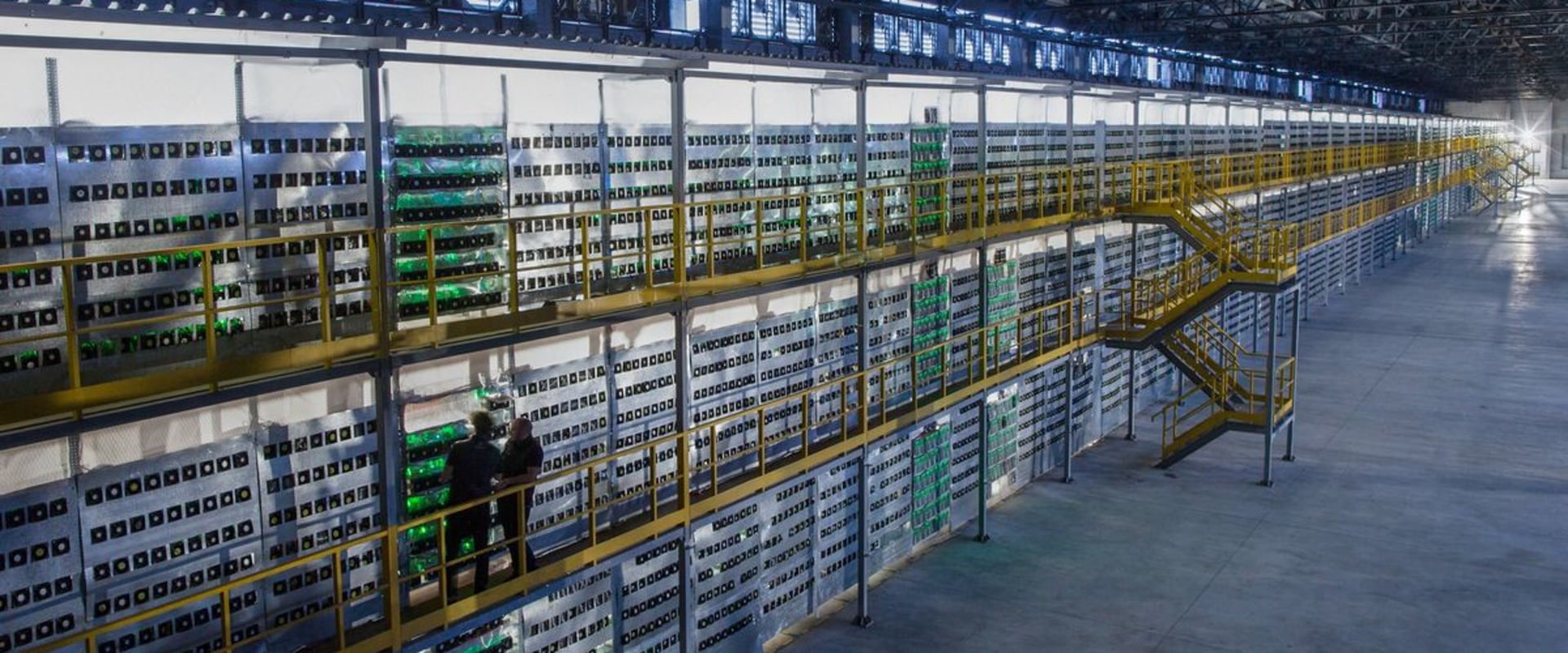
This model allows individuals to rent mining power from remote data centers, eliminating the need for expensive hardware and reducing energy costs. Cloud mining has democratized access to Bitcoin mining, enabling users with limited technical knowledge or financial resources to engage in the process. Today, Bitcoin mining is dominated by large-scale operations that utilize vast arrays of ASIC miners housed in specialized facilities. These operations benefit from economies of scale, lower electricity costs, and advanced cooling technologies that enhance efficiency. As a result, the landscape has shifted dramatically from individual miners operating from home to industrial-scale farms that contribute significantly to the overall hash rate of the Bitcoin network. The evolution of Bitcoin mining reflects broader trends in technology and economics.
As the network matures, so too do the methods and practices surrounding it. Understanding this evolution is crucial for anyone looking to navigate the complexities of Bitcoin mining today.
Types of Bitcoin Mining
Bitcoin mining can be categorized into three primary types: solo mining , pool mining , and cloud mining. Each method has its own set of advantages and disadvantages, making it essential for potential miners to understand these differences before diving into the world of cryptocurrency mining.Solo Mining
Solo mining involves an individual miner attempting to solve the cryptographic puzzles required to validate transactions and create new blocks on the Bitcoin blockchain independently. This method requires significant investment in hardware and electricity, as the miner competes against the entire network.- Pros:
- Full Rewards: Successful solo miners receive the entire block reward, which is currently 6.25 BTC, plus transaction fees.
- No Pool Fees: Miners do not have to share their earnings with a pool, maximizing potential profits.
- Cons:
- High Difficulty: The chances of successfully mining a block solo are extremely low due to high competition.
- Resource Intensive: Requires substantial investment in specialized hardware and ongoing electricity costs.
Pool Mining
Pool mining allows multiple miners to combine their computational power to increase their chances of solving a block.When a block is successfully mined, the rewards are distributed among all participants based on their contributed hash power.
- Pros:
- Higher Success Rate: By pooling resources, miners can achieve more consistent payouts compared to solo mining.
- Lower Entry Barrier: Miners can participate with less powerful hardware and still earn rewards.
- Cons:
- Pooled Rewards: Earnings are shared among all members, reducing individual payouts.
- Pool Fees: Most pools charge a fee for their services, which can eat into profits.
Cloud Mining
Cloud mining allows individuals to rent hashing power from a third-party provider instead of investing in hardware. This method is appealing for those who want to mine Bitcoin without the complexities of managing physical equipment.- Pros:
- No Hardware Costs: Miners do not need to purchase or maintain expensive equipment.
- User-Friendly: Cloud mining services often provide easy-to-use interfaces and customer support.
- Cons:
- Lack of Control: Users have limited control over the mining process and must trust the provider's integrity.
- Payout Variability: Returns can be unpredictable due to fluctuating Bitcoin prices and service fees.
Choosing the Right Bitcoin Mining Site
When it comes to selecting the best Bitcoin mining site, there are several critical factors to consider that can significantly impact your mining experience and profitability. Understanding these elements will help you make an informed decision and maximize your returns.- Fees: One of the first aspects to evaluate is the fee structure of the mining site. Most platforms charge a percentage of your earnings as a fee for their services.
These fees can vary widely, so it’s essential to compare different sites. Look for hidden fees, such as withdrawal fees or maintenance costs, which can eat into your profits.
- Reputation: The reputation of a mining site is paramount. Research user reviews and testimonials to gauge the experiences of other miners. A site with a solid track record and positive feedback is more likely to be trustworthy.
Additionally, check if the platform has been involved in any controversies or scams in the past.
- Hardware Requirements: Different mining sites may have varying hardware requirements. Some may require specialized ASIC miners, while others might allow GPU mining. Ensure that your hardware is compatible with the site you choose, as this will affect your ability to mine effectively.
- User Experience: A user-friendly interface can make a significant difference, especially for beginners. Look for platforms that offer intuitive dashboards, easy navigation, and comprehensive support resources.
A good user experience can save you time and frustration as you manage your mining operations.
- Mining Pool Size: The size of the mining pool can influence your chances of earning rewards. Larger pools tend to have more consistent payouts due to their combined hashing power, but they also mean that rewards are shared among more participants. Consider whether you prefer the stability of a large pool or the potential for higher rewards in a smaller one.
- Security Features: Security should be a top priority when choosing a Bitcoin mining site. Look for platforms that offer two-factor authentication (2FA), cold storage options for funds, and robust encryption protocols to protect your data and earnings from potential threats.
Top Bitcoin Mining Sites Reviewed
As the cryptocurrency landscape continues to evolve, selecting the right Bitcoin mining site is crucial for both novice and experienced miners.Below, we delve into some of the top Bitcoin mining sites of 2023, highlighting their key features, pricing structures, and user feedback to assist you in making an informed decision.
1.Slush Pool
Slush Pool is one of the oldest and most reputable Bitcoin mining pools in the industry. Established in 2010, it has built a strong reputation for reliability and transparency.- Key Features: Slush Pool offers a user-friendly interface, real-time statistics, and a unique scoring system that rewards miners based on their contributions.
- Pricing Structure: The pool charges a 2% fee on earnings, which is competitive compared to other pools.
- User Feedback: Users appreciate the platform's stability and the detailed analytics it provides, making it easier to track performance.
2.Antpool
Antpool is another major player in the Bitcoin mining space, operated by Bitmain Technologies. It holds a significant share of the Bitcoin network hash rate.- Key Features: Antpool supports multiple cryptocurrencies and offers various payout methods, including PPS (Pay Per Share) and PPLNS (Pay Per Last N Shares).
- Pricing Structure: The pool takes a 10% fee from miners' earnings, which can be higher than some competitors but is justified by its extensive features.
- User Feedback: While many users praise its robust infrastructure, some have raised concerns about customer support responsiveness.
3.F2Pool
F2Pool is known for its diverse range of supported cryptocurrencies and user-friendly interface. It has gained popularity among miners looking for flexibility.- Key Features: F2Pool offers real-time monitoring tools and supports multiple payout options, making it suitable for both beginners and seasoned miners.
- Pricing Structure: The platform charges a 4% fee on earnings, which is reasonable given its extensive features.
- User Feedback: Users often highlight its ease of use and comprehensive support resources as major advantages.
By considering factors such as fees, features, and user feedback, you can find a platform that aligns with your mining goals.
Bitcoin Mining Hardware: What You Need to Know
When it comes to Bitcoin mining, the hardware you choose plays a crucial role in determining your success and profitability. As the network becomes more competitive, having the right equipment is essential for anyone looking to mine Bitcoin effectively. Below, we will explore the different types of mining hardware available, compare their performance, and discuss the key requirements for successful Bitcoin mining.Types of Bitcoin Mining Hardware
There are primarily three types of hardware used for Bitcoin mining:- ASIC Miners: Application-Specific Integrated Circuits (ASICs) are purpose-built devices designed specifically for mining cryptocurrencies. They offer the highest hash rates and energy efficiency compared to other types of miners.
Popular models include the Antminer S19 Pro and the Whatsminer M30S, both known for their exceptional performance.
- GPU Miners: Graphics Processing Units (GPUs) were once the go-to option for mining Bitcoin. While they are still used for mining other cryptocurrencies, their effectiveness in Bitcoin mining has diminished due to the rise of ASICs. However, GPUs can be a good choice for those interested in mining multiple coins.
- FPGA Miners: Field-Programmable Gate Arrays (FPGAs) offer a middle ground between ASICs and GPUs. They are more flexible than ASICs but less powerful.
FPGAs can be programmed to mine different algorithms, making them versatile but not as efficient as dedicated ASIC miners.
Comparing ASIC Miners
When selecting an ASIC miner, consider factors such as hash rate, power consumption, and cost:- Hash Rate: This measures how many calculations a miner can perform per second. Higher hash rates generally lead to better chances of solving blocks and earning rewards.
- Power Consumption: Efficiency is key in mining; lower power consumption means higher profitability. Look for miners with a good balance between hash rate and energy use.
- Cost: The initial investment can be significant. Compare prices across different models and consider long-term profitability based on current Bitcoin prices and mining difficulty.
Hardware Requirements for Bitcoin Mining
In addition to choosing the right miner, there are several hardware requirements you need to meet:- Power Supply Unit (PSU): A reliable PSU is essential to ensure your miner operates efficiently.
Make sure it can handle the wattage required by your chosen miner.
- Cooling System: Mining generates significant heat; therefore, adequate cooling solutions such as fans or air conditioning systems are necessary to maintain optimal operating temperatures.
- Internet Connection: A stable and fast internet connection is crucial for effective mining operations. Any downtime can result in lost opportunities to mine blocks.
Bitcoin Mining Software: Essential Tools for Success
When it comes to Bitcoin mining, the right software can significantly impact your success and profitability. With a variety of options available, understanding the features and functionalities of each can help you make an informed decision.Below, we explore some of the best Bitcoin mining software currently on the market.
- CGMiner : This open-source software is widely regarded as one of the best choices for Bitcoin miners. It supports a range of mining hardware and offers advanced features such as fan speed control, remote interface capabilities, and real-time monitoring of your mining operations. Its command-line interface may be daunting for beginners, but its flexibility and power make it a favorite among experienced miners.
- BFGMiner : Designed for more advanced users, BFGMiner is another open-source option that allows for extensive customization. It supports FPGA and ASIC hardware and offers features like dynamic frequency scaling and monitoring.
One of its standout capabilities is the ability to mine multiple cryptocurrencies simultaneously, which can help diversify your mining portfolio.
- MultiMiner : For those who prefer a more user-friendly experience, MultiMiner provides a graphical user interface (GUI) that simplifies the mining process. It automatically detects available mining hardware and offers easy switching between different cryptocurrencies. This makes it an excellent choice for beginners who want to get started without delving into complex command-line operations.
- Awesome Miner : This powerful management tool is designed for users with multiple mining rigs. It supports over 50 mining engines and provides features such as profit switching, monitoring, and automated shutdowns in case of network issues.
Awesome Miner is ideal for those looking to maximize their mining efficiency across various platforms.
- Compatibility : Ensure that the software you choose is compatible with your mining hardware. Some programs are designed specifically for ASIC miners, while others may work better with GPUs or FPGAs.
- User Experience : If you are new to Bitcoin mining, opt for software with a user-friendly interface that simplifies the setup process. A GUI can make it easier to navigate settings and monitor performance.
- Features : Look for software that offers features tailored to your needs, such as real-time monitoring, remote access, or support for multiple cryptocurrencies.
- Community Support : A strong community can be invaluable when troubleshooting issues or seeking advice. Choose software with an active user base or robust documentation.
The Economics of Bitcoin Mining: Profitability Analysis
Understanding the profitability of Bitcoin mining is crucial for anyone considering entering this competitive field.The economics of mining are influenced by several factors, including hardware costs, electricity expenses, and the current market price of Bitcoin.
1.Hardware Investment
The first significant expense in Bitcoin mining is the initial investment in hardware. Specialized machines known as ASICs (Application-Specific Integrated Circuits) are designed specifically for mining Bitcoin. These devices can range from a few hundred to several thousand dollars, depending on their processing power and efficiency. For instance, a high-performance ASIC miner can cost upwards of $10,000.
It's essential to choose hardware that balances cost with hash rate—the speed at which it can solve cryptographic puzzles.
2.Electricity Costs
Electricity is another major factor affecting mining profitability. Mining operations consume a significant amount of power, and the cost of electricity varies widely by location. In regions where electricity is expensive, miners may find it challenging to turn a profit. For example, if your mining rig consumes 1,500 watts and your electricity rate is $0.10 per kWh, your monthly electricity bill could exceed $100.
Therefore, many miners seek locations with lower energy costs or consider renewable energy sources to mitigate these expenses.
3.Market Price of Bitcoin
The profitability of mining is also directly tied to the market price of Bitcoin. When prices are high, miners can earn substantial rewards for their efforts; however, when prices drop, the same operations may become unprofitable. Miners must continuously monitor market trends and adjust their strategies accordingly.
4.Mining Difficulty and Block Rewards
The difficulty level of mining adjusts approximately every two weeks based on the total network hash rate. As more miners join the network, the difficulty increases, making it harder to earn rewards.
Currently, miners receive 6.25 BTC for each block mined, but this reward halves approximately every four years in an event known as the halving. This reduction in rewards can significantly impact long-term profitability.
5.Additional Factors
- Pool Fees: If you join a mining pool to increase your chances of earning rewards, be aware that pools typically charge fees ranging from 1% to 3%.
- Hardware Maintenance: Regular maintenance and potential repairs can add to your overall costs.
- Tax Implications: Earnings from mining are subject to taxation, which can further affect your net profit.
Common Challenges in Bitcoin Mining and How to Overcome Them
Bitcoin mining presents a range of challenges that can deter both new and experienced miners. Understanding these obstacles is crucial for anyone looking to succeed in this competitive field.Below are some of the most common issues faced by miners, along with effective strategies to overcome them.
- High Competition: The Bitcoin mining landscape is increasingly competitive, with large mining farms dominating the market. This makes it difficult for individual miners to earn rewards.
- Fluctuating Prices: The value of Bitcoin can be highly volatile, impacting the profitability of mining operations. Sudden drops in price can make it challenging to cover operational costs.
- Energy Costs: Mining requires significant energy consumption, leading to high electricity bills. In regions where energy costs are high, this can severely affect profitability.
- Hardware Limitations: The need for specialized hardware (ASIC miners) can be a barrier to entry.
Additionally, older equipment may not be efficient enough to compete with newer models.
- Technical Challenges: Setting up and maintaining mining rigs can be complex, requiring technical knowledge that many new miners may lack.
- Join a Mining Pool: By joining a mining pool, individual miners can combine their resources and share rewards based on their contributed hash power. This approach increases the chances of earning consistent payouts.
- Optimize Energy Use: Look for ways to reduce energy consumption, such as using energy-efficient hardware or relocating operations to areas with lower electricity rates.
- Diversify Investments: Instead of solely focusing on Bitcoin, consider mining other cryptocurrencies that may offer better returns or lower competition. This diversification can help mitigate risks associated with price fluctuations.
- Stay Informed: Keep up with industry trends and technological advancements. Understanding market dynamics and emerging technologies can provide a competitive edge.
- Invest in Quality Hardware: While initial costs may be high, investing in efficient and powerful mining equipment can lead to better long-term profitability.
<strong>Future Trends in Bitcoin Mining</strong>
The landscape of Bitcoin mining is continuously evolving, driven by technological advancements, regulatory changes, and market dynamics.As we look to the future, several key trends are emerging that could significantly impact how Bitcoin is mined and the overall profitability of mining operations.
1.Increased Energy Efficiency
One of the most pressing issues in Bitcoin mining is energy consumption. As environmental concerns grow, miners are increasingly seeking ways to reduce their carbon footprint. Future mining operations are likely to focus on utilizing renewable energy sources such as solar, wind, and hydroelectric power. This shift not only addresses environmental concerns but also helps miners reduce operational costs.2.Advanced Mining Hardware
The development of more efficient and powerful mining hardware is another trend shaping the future of Bitcoin mining.Manufacturers are constantly innovating to produce ASIC miners that offer higher hash rates while consuming less power. These advancements will enable miners to remain competitive in an increasingly challenging environment where profitability is closely tied to hardware efficiency.
3.The Rise of Mining Pools
As individual mining becomes less feasible due to high competition and resource requirements, the popularity of mining pools is expected to grow. By joining forces, miners can combine their computational power to increase their chances of successfully mining blocks and receiving rewards. This collaborative approach not only enhances profitability but also democratizes access to Bitcoin mining.4.Regulatory Developments
The regulatory landscape surrounding cryptocurrency is rapidly changing.Governments worldwide are beginning to implement regulations that could impact Bitcoin mining operations. Miners will need to stay informed about these changes, as compliance could affect everything from operational costs to the legality of certain practices.
5.Integration with Blockchain Technology
Future trends may also see a deeper integration of Bitcoin mining with other blockchain technologies. Innovations such as layer 2 solutions, which aim to improve transaction speeds and reduce fees, could influence how miners operate and interact with the network. This integration may lead to new opportunities for miners to diversify their income streams beyond just block rewards. In conclusion, the future of Bitcoin mining is poised for significant transformation driven by energy efficiency, advanced technology, collaborative efforts through mining pools, evolving regulations, and integration with broader blockchain innovations.Staying ahead of these trends will be crucial for miners looking to thrive in this dynamic environment.
Top Articles