Will Bitcoin Reach 1 Million? An In-Depth Analysis of Its Future
Explore the potential of Bitcoin reaching $1 million. Analyze market trends, institutional adoption, and factors influencing its future value.


Bitcoin, often referred to as BTC, is the pioneering cryptocurrency that has revolutionized the way we think about money and transactions. Launched in 2009 by an anonymous entity known as Satoshi Nakamoto, Bitcoin was created as a response to the global financial crisis, aiming to provide a decentralized alternative to traditional banking systems. Unlike conventional currencies issued by governments, Bitcoin operates on a peer-to-peer network, allowing users to send and receive payments directly without the need for intermediaries. The underlying technology that powers Bitcoin is called blockchain, a distributed ledger that records all transactions across a network of computers. This innovative approach ensures transparency and security, as each transaction is verified by network participants, known as miners.
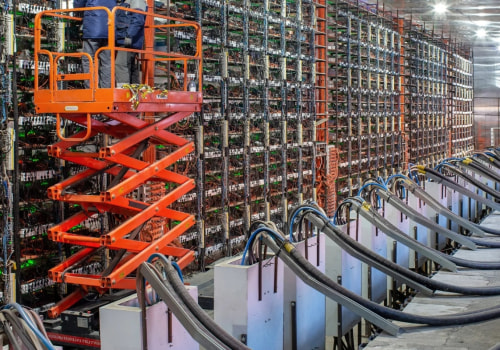
Miners use powerful computers to solve complex mathematical problems, which not only secures the network but also generates new bitcoins as rewards. This process is integral to maintaining the integrity of the Bitcoin ecosystem and controlling its supply. Bitcoin's significance extends beyond its technological framework; it has emerged as a digital asset that many view as a hedge against inflation and economic instability. As traditional fiat currencies face devaluation due to excessive printing and fiscal policies, Bitcoin's limited supply—capped at 21 million coins—positions it as a potentially valuable store of wealth. This scarcity, combined with increasing adoption by individuals and institutions alike, has fueled speculation about its future value, with some analysts predicting that Bitcoin could reach unprecedented heights. As we delve deeper into the potential for Bitcoin to reach $1 million, understanding its origins, technology, and market dynamics will provide essential context.
The journey of Bitcoin from a niche digital currency to a mainstream financial asset illustrates not only its resilience but also the evolving landscape of cryptocurrency as a whole.
The Current State of Bitcoin
As of 2023, the Bitcoin market is experiencing a dynamic phase characterized by fluctuating prices, evolving market sentiment, and significant trading volumes. Understanding the current state of Bitcoin is essential for investors and enthusiasts alike, as it provides insights into potential future movements. Currently, the price of Bitcoin has shown considerable volatility, oscillating between key support and resistance levels. As of late 2023, Bitcoin's price hovers around the $40,000 mark, reflecting a recovery from previous lows experienced earlier in the year. This resurgence can be attributed to several factors, including increased institutional adoption and a growing recognition of Bitcoin as a hedge against inflation. The market capitalization of Bitcoin remains robust, consistently dominating the cryptocurrency landscape.With a market cap exceeding $700 billion, Bitcoin continues to hold its position as the leading cryptocurrency by market value. This dominance is crucial as it influences investor confidence and the overall health of the crypto market. In terms of trading volume, Bitcoin has seen significant activity across various exchanges. Daily trading volumes often exceed $20 billion, indicating strong interest from both retail and institutional investors. This high level of trading activity suggests that Bitcoin is not only a speculative asset but also a viable option for those looking to diversify their portfolios.
Market Trends in 2023
The trends observed in 2023 highlight several key developments in the Bitcoin ecosystem:- Institutional Investment: Major financial institutions are increasingly allocating funds to Bitcoin, viewing it as a legitimate asset class.
Companies like BlackRock and Fidelity have begun offering Bitcoin-related investment products, further legitimizing its status.
- Regulatory Landscape: The regulatory environment surrounding cryptocurrencies is evolving. Governments worldwide are beginning to establish clearer guidelines for digital assets, which could lead to increased adoption and stability in the market.
- Technological Advancements: Innovations such as the Lightning Network are enhancing Bitcoin's scalability and transaction speed, making it more practical for everyday use.
Factors Influencing Bitcoin's Price
The price of Bitcoin is influenced by a multitude of factors that interact in complex ways. Understanding these factors is crucial for anyone looking to invest in or analyze the cryptocurrency market.Supply and Demand Dynamics
At the core of Bitcoin's price fluctuations is the basic economic principle of supply and demand.
The total supply of Bitcoin is capped at 21 million coins, a limit that creates inherent scarcity. As more individuals and institutions recognize Bitcoin as a viable asset, demand increases. This growing interest can lead to significant price surges, especially during periods of heightened market activity. Moreover, the Bitcoin halving events, which occur approximately every four years, further tighten supply. During these events, the reward for mining new blocks is halved, effectively reducing the rate at which new Bitcoins are introduced into circulation.
Historically, these halving events have been followed by substantial price increases as the market adjusts to the reduced supply.
Market Sentiment
Market sentiment plays a pivotal role in determining Bitcoin's price. Investor psychology can lead to rapid price changes based on news, social media trends, or influential endorsements. For instance, positive news regarding institutional adoption or regulatory clarity can boost confidence and drive prices up. Conversely, negative news—such as regulatory crackdowns or security breaches—can lead to panic selling and sharp declines.
Regulatory Impacts
The regulatory landscape surrounding Bitcoin is continually evolving and can significantly impact its price.
Governments around the world are grappling with how to classify and regulate cryptocurrencies. Favorable regulations can enhance legitimacy and attract institutional investment, while stringent regulations may stifle growth and lead to market uncertainty.
Macroeconomic Trends
Broader economic conditions also influence Bitcoin's price. Factors such as inflation rates, interest rates, and geopolitical stability can affect investor behavior. For example, during times of economic uncertainty or high inflation, many investors turn to Bitcoin as a hedge against traditional financial systems.
This shift in investment strategy can lead to increased demand and higher prices. In summary, the interplay between supply and demand dynamics, market sentiment, regulatory impacts, and macroeconomic trends creates a complex environment that influences Bitcoin's price. Understanding these factors is essential for anyone looking to navigate the volatile world of cryptocurrency investment.
The Role of Bitcoin Halving Events
Bitcoin halving is a pivotal event in the cryptocurrency ecosystem that occurs approximately every four years, or after every 210,000 blocks mined. This process reduces the reward that miners receive for adding new blocks to the blockchain by half. Initially, the reward was set at 50 bitcoins per block, but it has undergone several reductions, with the most recent halving in May 2020 bringing the reward down to 6.25 bitcoins.The next halving is anticipated to occur in 2024, further decreasing the reward to 3.125 bitcoins. The significance of bitcoin halving lies in its direct impact on the supply of new bitcoins entering circulation. By reducing the rate at which new bitcoins are created, halving events contribute to the overall scarcity of the asset. This scarcity is a fundamental aspect of Bitcoin's value proposition, as it contrasts sharply with fiat currencies that can be printed in unlimited quantities. Historically, Bitcoin halving events have been correlated with substantial price increases. For instance, after the first halving in November 2012, Bitcoin's price surged from around $12 to over $1,100 within a year.
Similarly, following the second halving in July 2016, Bitcoin's price rose from approximately $650 to nearly $20,000 by December 2017. These patterns suggest that as the supply of new bitcoins diminishes, demand may increase, leading to higher prices. However, it is essential to note that while historical trends indicate a positive correlation between halving events and price surges, past performance is not always indicative of future results. Market dynamics are influenced by various factors including investor sentiment, regulatory developments, and macroeconomic conditions. Looking ahead to future halving events, many analysts and enthusiasts speculate that they will continue to play a crucial role in shaping Bitcoin's price trajectory. As awareness of Bitcoin as a store of value grows and institutional adoption increases, the implications of these halvings could be even more pronounced. Investors should remain vigilant and consider how upcoming halvings might affect their investment strategies.
Institutional Adoption of Bitcoin
The landscape of Bitcoin investment is undergoing a significant transformation, primarily driven by the increasing participation of institutional investors.This shift marks a pivotal moment in the cryptocurrency's journey, as large corporations and financial institutions begin to recognize Bitcoin not just as a speculative asset but as a legitimate store of value. Companies like MicroStrategy and Tesla have taken bold steps by incorporating Bitcoin into their balance sheets. MicroStrategy, for instance, has made headlines for its aggressive accumulation of Bitcoin, purchasing over 100,000 BTC since 2020. This strategy reflects a broader trend where companies are seeking to hedge against inflation and currency devaluation by holding Bitcoin as a reserve asset. Tesla's investment in Bitcoin further underscores this trend. By allocating $1.5 billion to Bitcoin, Tesla not only signaled confidence in the cryptocurrency but also encouraged other corporations to consider similar investments.
The endorsement from such high-profile companies has significantly influenced market perceptions, leading to increased demand and price appreciation. Moreover, the entry of institutional players has introduced a new level of legitimacy to Bitcoin. Investment firms and hedge funds are now actively exploring Bitcoin as part of their portfolios. For example, firms like Grayscale have launched Bitcoin investment trusts that allow traditional investors to gain exposure to Bitcoin without directly purchasing it. This accessibility is crucial for attracting more conservative investors who may have previously been hesitant to enter the volatile cryptocurrency market. The impact of institutional adoption on Bitcoin's price cannot be overstated.
As more institutions allocate capital towards Bitcoin, the demand increases while the supply remains capped at 21 million coins. This dynamic creates upward pressure on prices, which can lead to significant appreciation over time. Analysts suggest that as institutional interest grows, we may witness a more stable price trajectory compared to the historical volatility associated with retail-driven trading. In conclusion, the growing trend of institutional investment in Bitcoin is reshaping the cryptocurrency landscape. Companies like MicroStrategy and Tesla are not only influencing market perceptions but also driving demand through their substantial investments.
As more institutions recognize the potential of Bitcoin as a valuable asset class, its price may continue to rise, potentially paving the way for it to reach unprecedented heights in the coming years.
Bitcoin's Scarcity and Its Implications
The concept of scarcity is fundamental to understanding the value proposition of Bitcoin. Unlike traditional fiat currencies, which can be printed in unlimited quantities by central banks, Bitcoin has a hard cap of 21 million coins. This limit is embedded in its code and is a key feature that distinguishes it from other forms of currency. As of now, approximately 18 to 19 million Bitcoins have already been mined, leaving only a few million left to be created. This diminishing supply is expected to have significant implications for its price as demand continues to grow.The limited supply creates a sense of urgency among investors and users alike, as they recognize that the opportunity to acquire Bitcoin will eventually dwindle. One of the most critical events affecting Bitcoin's scarcity is the halving , which occurs approximately every four years. During this event, the reward for mining new blocks is cut in half, effectively reducing the rate at which new Bitcoins are introduced into circulation. The next halving is scheduled for 2024, and historical data suggests that these events have historically led to substantial price increases. For instance, after the last two halvings in 2012 and 2016, Bitcoin experienced significant price surges in the following years. This scarcity-driven demand can be likened to precious metals like gold, where limited availability contributes to higher value.
As more individuals and institutions recognize Bitcoin as a viable alternative investment or a hedge against inflation, the competition for ownership will intensify. This growing interest could lead to a scenario where the price of Bitcoin escalates dramatically as it approaches its capped supply. Moreover, the implications of Bitcoin's capped supply extend beyond mere price appreciation. It fosters a unique economic environment where holders are incentivized to retain their assets rather than spend them. This behavior can create a deflationary effect, further driving up demand as fewer coins are available for purchase. In conclusion, the scarcity of Bitcoin is not just a technical characteristic; it is a pivotal factor that influences its market dynamics.
As we move closer to the maximum supply limit, understanding how this scarcity interacts with demand will be crucial for predicting Bitcoin's future trajectory and potential valuation.
Predictions for Bitcoin's Future Value
As we look ahead to the future of Bitcoin, various experts and analysts have put forth their predictions regarding its potential value, particularly the tantalizing prospect of reaching $1 million. These forecasts are influenced by a multitude of factors, including market trends, technological advancements, and macroeconomic conditions. One significant event that could impact Bitcoin's price is the upcoming halving scheduled for 2024. This event will reduce the block reward for miners from 6.25 to 3.125 bitcoins, effectively decreasing the rate at which new bitcoins are introduced into circulation. Historically, halving events have been associated with substantial price increases due to the resulting scarcity. For instance, after the 2012 and 2016 halvings, Bitcoin experienced dramatic price surges, leading many to speculate that a similar pattern could unfold in 2024. Moreover, as institutional adoption of Bitcoin continues to grow, the demand for this digital asset is likely to increase.Companies like MicroStrategy and Tesla have already made significant investments in Bitcoin, setting a precedent for other corporations to follow suit. This trend could lead to a broader acceptance of Bitcoin as a legitimate asset class, further driving up its value. Another factor to consider is the evolving regulatory landscape surrounding cryptocurrencies. As governments around the world begin to establish clearer regulations for digital assets, this could enhance investor confidence and attract more capital into the market. A favorable regulatory environment may also facilitate greater participation from traditional financial institutions, which could significantly boost Bitcoin's price. Additionally, macroeconomic factors such as inflation and currency devaluation play a crucial role in shaping Bitcoin's future value.
With central banks around the globe implementing expansive monetary policies, many investors are turning to Bitcoin as a hedge against inflation. This perception as a store of value could propel its price higher as more individuals seek refuge from traditional fiat currencies. In conclusion, while predicting the exact trajectory of Bitcoin's price remains challenging, several indicators suggest that reaching $1 million is within the realm of possibility. The combination of reduced supply due to halving events, increased institutional adoption, favorable regulations, and macroeconomic pressures all contribute to a bullish outlook for Bitcoin's future value.
Risks and Challenges Facing Bitcoin
Investing in Bitcoin can be an enticing prospect, but it is crucial for potential investors to understand the various risks and challenges that could impede its growth and price appreciation. These factors can significantly influence market dynamics and investor sentiment.Market Volatility
One of the most prominent risks associated with Bitcoin is its inherent volatility.The cryptocurrency market is known for its rapid price fluctuations, which can be influenced by a myriad of factors including regulatory news, technological advancements, and macroeconomic trends. For instance, a sudden regulatory crackdown in a major market can lead to sharp declines in Bitcoin's value, causing panic among investors.
Regulatory Uncertainty
The regulatory landscape surrounding Bitcoin remains uncertain in many jurisdictions. Governments around the world are still grappling with how to classify and regulate cryptocurrencies. This uncertainty can create a challenging environment for investors.If stricter regulations are imposed, it could stifle innovation and limit the adoption of Bitcoin as a mainstream financial asset.
Technological Risks
While Bitcoin's underlying technology is robust, it is not immune to risks. Potential vulnerabilities in the blockchain or software bugs could pose significant threats. Additionally, the emergence of competing cryptocurrencies with superior technology could divert interest and investment away from Bitcoin.Market Manipulation
The cryptocurrency market is often criticized for its lack of regulation, which can lead to market manipulation. Practices such as pump-and-dump schemes can artificially inflate prices, leading unsuspecting investors to make poor decisions based on misleading information.Adoption Challenges
For Bitcoin to achieve widespread acceptance as a legitimate currency or investment vehicle, it must overcome several adoption challenges.These include improving transaction speeds, reducing fees, and enhancing user experience. If these issues are not addressed, they could hinder Bitcoin's growth potential. In conclusion, while the potential for Bitcoin to reach unprecedented heights exists, it is essential for investors to remain aware of the risks and challenges that could impact its trajectory. A thorough understanding of these factors will enable more informed investment decisions in this volatile landscape.
Conclusion: The Road Ahead for Bitcoin
As we draw our exploration of Bitcoin to a close, it is essential to reflect on the various factors that could influence its journey towards the ambitious milestone of $1 million. Throughout this article, we have examined the intricate dynamics of Bitcoin's supply and demand, the impact of institutional adoption, and the significance of upcoming events such as the halving. One of the most compelling arguments for Bitcoin reaching $1 million lies in its limited supply.With a cap of 21 million coins, Bitcoin's scarcity is a fundamental aspect that drives its value. As more individuals and institutions recognize Bitcoin as a viable alternative to traditional currencies and a hedge against inflation, demand is likely to surge. This increasing interest could create upward pressure on prices, especially as we approach significant milestones like the next halving in 2024. Moreover, the growing acceptance of Bitcoin by major corporations and financial institutions adds another layer of credibility to its potential as a long-term investment. Companies like MicroStrategy and Tesla have already made substantial investments in Bitcoin, setting a precedent that could encourage others to follow suit.
This trend not only enhances Bitcoin's legitimacy but also contributes to its price stability over time. However, it is crucial to acknowledge the inherent volatility associated with Bitcoin. While historical trends suggest a long-term upward trajectory, short-term fluctuations can be unpredictable. Investors must remain vigilant and informed about market conditions, regulatory changes, and technological advancements that could impact Bitcoin's value. In conclusion, while predicting an exact timeline for Bitcoin to reach $1 million is fraught with uncertainty, the combination of limited supply, increasing institutional adoption, and growing public awareness presents a compelling case for its potential ascent. As we navigate through this evolving landscape, it is clear that Bitcoin's future remains bright, albeit with challenges ahead.
The road to $1 million may be long and winding, but for those who believe in its transformative power, the journey is undoubtedly worth taking.
Top Articles