Will Bitcoin Continue to Rise? Insights from Industry Experts
Explore expert insights on Bitcoin's future, market trends, and factors influencing its rise in value. Stay informed about cryptocurrency dynamics.



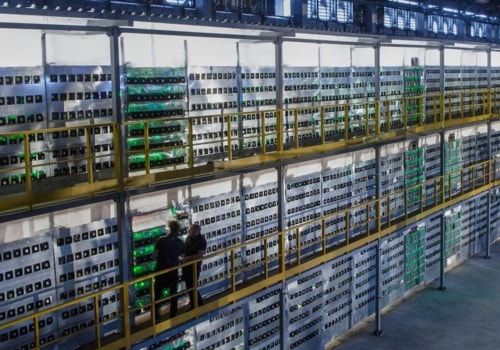
Bitcoin, often referred to as BTC, is the pioneering cryptocurrency that has revolutionized the way we think about money and transactions. Created in 2009 by an anonymous entity known as Satoshi Nakamoto, Bitcoin was designed as a decentralized digital currency that operates without a central authority or intermediary. This innovative approach allows users to send and receive payments directly, making transactions faster and more efficient compared to traditional banking systems. At its core, Bitcoin is built on blockchain technology, a distributed ledger that records all transactions across a network of computers. This ensures transparency and security, as each transaction is verified by network participants, known as miners, who use powerful computers to solve complex mathematical problems.
The decentralized nature of Bitcoin not only protects it from government interference but also creates a finite supply—only 21 million Bitcoins will ever exist. This scarcity is a key factor driving its value in the market. As Bitcoin gained popularity, it sparked the creation of thousands of other cryptocurrencies, collectively known as altcoins. These digital assets have varying features and purposes, but Bitcoin remains the most recognized and valuable among them. Its significance extends beyond mere investment; it has become a symbol of financial freedom and an alternative to traditional fiat currencies.
With increasing acceptance by businesses and individuals alike, Bitcoin is not just a speculative asset but also a viable means of payment. Understanding Bitcoin is crucial for anyone looking to navigate the evolving landscape of cryptocurrency. As we delve deeper into its potential future trajectory, it’s essential to grasp its foundational principles and the factors influencing its market dynamics. The journey of Bitcoin is not just about numbers; it reflects broader economic trends and shifts in how we perceive value in our increasingly digital world.
The Current State of Bitcoin: Market Trends and Analysis
The current landscape of Bitcoin is marked by significant fluctuations and evolving market dynamics. As of 2023, the current Bitcoin price has shown considerable volatility, reflecting broader economic conditions and investor sentiment.This volatility is not uncommon in the cryptocurrency market, where prices can swing dramatically within short periods. One of the key factors influencing Bitcoin's price is the overall trading volume. Increased trading activity often correlates with heightened interest from both retail and institutional investors. In recent months, trading volumes have surged, indicating a growing appetite for Bitcoin as a potential hedge against inflation and economic uncertainty. This uptick in trading can be attributed to several factors:
- Institutional Adoption: More institutional players are entering the market, viewing Bitcoin as a legitimate asset class.
Companies like Tesla and MicroStrategy have made significant investments in Bitcoin, which has bolstered confidence among retail investors.
- Regulatory Developments: As governments around the world begin to establish clearer regulations regarding cryptocurrencies, investor confidence is likely to increase. Positive regulatory news can lead to price surges as it reduces uncertainty.
- Technological Advancements: Innovations in blockchain technology and improvements in transaction efficiency are making Bitcoin more accessible and appealing to a broader audience.
Social media platforms and online forums are buzzing with discussions about Bitcoin's future, with many analysts predicting that it could reach new all-time highs if current trends continue. In summary, the current state of Bitcoin is characterized by fluctuating prices influenced by trading volumes and investor sentiment. As we move further into 2023, understanding these market trends will be essential for anyone looking to navigate the complexities of investing in Bitcoin.
Factors Influencing Bitcoin's Price: Supply and Demand Dynamics
The price of Bitcoin is primarily influenced by the fundamental economic principles of supply and demand, which govern the behavior of all markets. Understanding these dynamics is crucial for investors and enthusiasts alike, as they provide insight into potential price movements and market trends.Supply Dynamics
Bitcoin has a capped supply of 21 million coins, a feature that distinguishes it from traditional fiat currencies that can be printed in unlimited quantities. As of now, approximately 18.5 million Bitcoins have already been mined, representing about 88.4% of the total supply.
This scarcity is a significant factor in its valuation; as more people become aware of Bitcoin and its potential uses, the limited availability can lead to increased demand.
Moreover, Bitcoin's mining process becomes progressively more challenging over time due to its halving events, which occur approximately every four years. Each halving reduces the reward for mining new blocks by half, effectively slowing down the rate at which new Bitcoins are introduced into circulation. This mechanism not only reinforces scarcity but also creates anticipation among investors, often leading to price surges following each halving.
Demand Dynamics
On the demand side, several factors contribute to fluctuations in Bitcoin's price. The growing acceptance of Bitcoin as a legitimate form of payment by major companies such as Microsoft and PayPal has significantly boosted its visibility and credibility.
As more businesses integrate Bitcoin into their payment systems, consumer confidence increases, driving demand further.
Additionally, macroeconomic factors play a crucial role in shaping investor sentiment towards Bitcoin. In times of economic uncertainty or inflation, many investors view Bitcoin as a hedge against traditional market volatility. The perception of Bitcoin as "digital gold" has gained traction, especially when stock markets experience downturns or when inflation rates rise sharply.
Investor Behavior
The interplay between supply and demand is also influenced by investor behavior. Speculation can lead to rapid price changes; when investors anticipate future price increases, they may rush to buy Bitcoin, further driving up demand and consequently the price.
Conversely, negative news or market corrections can trigger panic selling, leading to sharp declines in price. In summary, the economics of Bitcoin is deeply rooted in the principles of supply and demand. As both factors evolve with market conditions and investor sentiment, they will continue to shape the future trajectory of Bitcoin's price.
Adoption of Bitcoin: Growing Acceptance Among Businesses
The adoption of Bitcoin as a legitimate form of payment is gaining momentum, with an increasing number of businesses recognizing its potential. This shift not only enhances the credibility of Bitcoin but also plays a crucial role in determining its future value. Several high-profile companies have begun accepting Bitcoin, signaling a broader acceptance of cryptocurrency in mainstream commerce. For instance, Microsoft allows users to add funds to their accounts using Bitcoin, while PayPal has integrated Bitcoin transactions, enabling users to buy, sell, and hold the cryptocurrency directly within their platform.Other notable companies include Overstock , which was one of the first major retailers to accept Bitcoin, and Starbucks , which allows customers to use Bitcoin through a third-party app for purchasing coffee and other products. This growing trend is not limited to large corporations; small and medium-sized enterprises are also beginning to embrace Bitcoin. Local businesses, from restaurants to online retailers, are increasingly adopting cryptocurrency payment systems. This grassroots movement is essential for fostering a culture of acceptance and trust in Bitcoin. The rate of Bitcoin adoption is influenced by several factors:
- Consumer Demand: As more consumers express interest in using Bitcoin for everyday transactions, businesses are motivated to accommodate this demand.
- Technological Advancements: The development of user-friendly cryptocurrency wallets and payment processing systems has made it easier for businesses to accept Bitcoin.
- Market Volatility: While Bitcoin's price fluctuations can be daunting, many businesses view it as an opportunity for investment and customer engagement.
Furthermore, widespread acceptance could encourage more investors to enter the market, driving demand and possibly pushing prices higher. In conclusion, the growing acceptance of Bitcoin among businesses is a promising development that could significantly impact its future value. As this trend continues, it will be essential for both consumers and investors to monitor how these changes influence the broader cryptocurrency landscape.
The Role of Institutional Investors in Bitcoin's Future
In recent years, the landscape of Bitcoin investment has undergone a significant transformation, primarily driven by the increasing participation of institutional investors. These entities, which include hedge funds, pension funds, and large corporations, are beginning to recognize Bitcoin not just as a speculative asset but as a legitimate component of their investment portfolios.Institutional Investment in Bitcoin
Institutional investors have historically been cautious about entering the cryptocurrency market due to its notorious volatility and regulatory uncertainties. However, as Bitcoin matures and becomes more mainstream, many institutions are now allocating a portion of their assets to this digital currency.
This shift is largely attributed to several factors:
- Inflation Hedge: With rising inflation rates and economic instability, many investors view Bitcoin as a hedge against traditional fiat currencies. Its limited supply—capped at 21 million coins—makes it an attractive alternative for those looking to preserve wealth.
- Portfolio Diversification: Institutional investors are increasingly recognizing the benefits of diversifying their portfolios with non-correlated assets like Bitcoin. This strategy can potentially enhance returns while mitigating risks associated with traditional asset classes.
- Technological Advancements: The development of secure custody solutions and regulatory frameworks has made it easier for institutions to invest in Bitcoin. Companies like Fidelity and Coinbase have introduced services tailored specifically for institutional clients, further facilitating this trend.
The Rise of Bitcoin Hedge Funds
Another notable trend is the emergence of Bitcoin hedge funds.
These funds specialize in cryptocurrency investments and employ various strategies to maximize returns while managing risk. By leveraging sophisticated trading techniques and market analysis, these hedge funds aim to capitalize on Bitcoin's price movements.
The presence of hedge funds in the Bitcoin market not only increases liquidity but also contributes to price stability. As these funds accumulate significant positions in Bitcoin, they can help buffer against extreme price fluctuations that often characterize the cryptocurrency market.
Implications for Market Stability and Growth
The growing involvement of institutional investors is likely to have profound implications for the future of Bitcoin. As more institutions enter the market, we can expect:
- Increased Legitimacy: Institutional adoption lends credibility to Bitcoin as a viable asset class, encouraging more retail investors to participate.
- Price Stability: With larger capital inflows from institutions, the market may experience reduced volatility over time, making Bitcoin a more attractive investment option.
- Regulatory Clarity: As institutions push for clearer regulations surrounding cryptocurrencies, we may see more favorable policies emerge, further legitimizing the market.
Their increasing participation is not only driving demand but also fostering an environment conducive to long-term growth and stability in the cryptocurrency market.
Regulatory Landscape: How Laws Affect Bitcoin's Trajectory
The regulatory landscape surrounding Bitcoin is complex and constantly evolving, significantly impacting its adoption and price trajectory. As governments worldwide grapple with the implications of cryptocurrencies, the laws they enact can either foster growth or stifle innovation. In 2023, several key trends in cryptocurrency laws have emerged that are crucial for understanding Bitcoin's future. Many countries are moving towards clearer regulations, which can provide a framework for businesses and investors. For instance, the European Union has been working on the Markets in Crypto-Assets (MiCA) regulation, aimed at creating a comprehensive regulatory framework for digital assets.This could enhance investor confidence and lead to increased institutional adoption of Bitcoin. On the other hand, some nations have taken a more restrictive approach. Countries like China have implemented strict bans on cryptocurrency trading and mining, which has historically led to significant price fluctuations in Bitcoin. Such actions can create uncertainty in the market, causing investors to hesitate or withdraw from investing in Bitcoin. Moreover, regulatory clarity can also influence how Bitcoin is perceived as an asset class. When regulations are favorable, it can lead to increased participation from institutional investors who may have previously been wary of entering the market due to legal uncertainties.
This influx of capital can drive up demand and subsequently increase prices. Another critical aspect of regulation is taxation. In many jurisdictions, how Bitcoin is taxed can affect its attractiveness as an investment. For example, if capital gains taxes on Bitcoin profits are high, it may deter potential investors from entering the market. Conversely, favorable tax treatment could encourage more individuals to invest in Bitcoin. In summary, the impact of regulation on Bitcoin cannot be overstated.
As laws continue to evolve in 2023 and beyond, they will play a pivotal role in shaping the future of Bitcoin's adoption and price stability. Investors must stay informed about these changes to navigate the complexities of the cryptocurrency market effectively.
Technological Innovations: The Future of Bitcoin Infrastructure
The future of Bitcoin infrastructure is heavily reliant on ongoing technological innovations that enhance its functionality, security, and overall user experience. As the cryptocurrency landscape evolves, several key advancements in blockchain technology are poised to play a pivotal role in shaping the trajectory of Bitcoin. One of the most significant innovations is the development of Layer 2 solutions , such as the Lightning Network. This technology allows for faster and cheaper transactions by enabling off-chain processing.By creating a network of payment channels, users can conduct multiple transactions without needing to record each one on the main blockchain. This not only alleviates congestion but also enhances scalability, making Bitcoin more practical for everyday transactions. Another area of focus is smart contracts. While Bitcoin is primarily known for its role as a digital currency, integrating smart contract capabilities could expand its use cases significantly. Smart contracts are self-executing contracts with the terms directly written into code.
This could facilitate complex transactions and agreements without the need for intermediaries, thereby increasing trust and efficiency in various sectors.
Security enhancements
are also critical as Bitcoin continues to gain mainstream acceptance. Innovations such as multi-signature wallets and hardware wallets provide additional layers of protection against hacking and theft. Multi-signature wallets require multiple private keys to authorize a transaction, making unauthorized access much more difficult. Meanwhile, hardware wallets store private keys offline, safeguarding them from online threats.
The integration of decentralized finance (DeFi) applications with Bitcoin is another promising development.
DeFi platforms allow users to lend, borrow, and earn interest on their cryptocurrency holdings without traditional financial institutions. By bridging Bitcoin with DeFi ecosystems, users can unlock new financial opportunities while maintaining control over their assets. Moreover, advancements in privacy technologies , such as zk-SNARKs (zero-knowledge succinct non-interactive arguments of knowledge), could enhance user anonymity on the Bitcoin network. These technologies allow for transactions to be verified without revealing sensitive information about the sender or receiver, addressing privacy concerns that have been a barrier to wider adoption. In conclusion, the future of Bitcoin infrastructure is bright, driven by technological innovations that promise to enhance its functionality and security. As these advancements unfold, they will not only bolster investor confidence but also pave the way for broader adoption of Bitcoin as a viable alternative to traditional currencies.
Comparing Bitcoin with Other Cryptocurrencies: A Competitive Analysis
When evaluating the landscape of cryptocurrencies, Bitcoin often stands out as the pioneer and most recognized digital asset.However, it is essential to compare Bitcoin with other major cryptocurrencies, commonly referred to as altcoins, to understand its competitive position in the market.
Market Dominance
Bitcoin currently holds a significant share of the total cryptocurrency market capitalization, often hovering around 40-50%. This dominance is a testament to its established reputation and widespread adoption. In contrast, altcoins like Ethereum, Binance Coin, and Cardano have been gaining traction but still lag behind Bitcoin in terms of market cap and user base.
Technological Differences
One of the primary distinctions between Bitcoin and other cryptocurrencies lies in their underlying technology. Bitcoin operates on a proof-of-work consensus mechanism, which requires substantial computational power for transaction validation.
On the other hand, many altcoins, such as Ethereum, are transitioning to proof-of-stake systems that promise greater energy efficiency and faster transaction speeds.
Use Cases and Utility
Bitcoin is primarily viewed as a store of value or "digital gold," appealing to investors seeking a hedge against inflation. In contrast, altcoins often aim to solve specific problems or enhance functionalities within various sectors. For instance:
- Ethereum: Known for its smart contract capabilities, enabling decentralized applications (dApps).
- Ripple (XRP): Focused on facilitating cross-border payments with low transaction fees.
- Litecoin: Designed for faster transactions compared to Bitcoin.
Volatility and Risk
The cryptocurrency market is notorious for its volatility.
While Bitcoin has experienced significant price fluctuations over the years, many altcoins can exhibit even greater volatility due to lower liquidity and market cap. Investors should weigh their risk tolerance when considering investments in both Bitcoin and altcoins. In conclusion, while Bitcoin continues to lead the cryptocurrency market with its established presence and brand recognition, a comparative analysis with other cryptocurrencies reveals a dynamic landscape filled with opportunities for diversification and innovation. Understanding these differences is crucial for investors looking to navigate this evolving market effectively.
<strong>Expert Opinions: Predictions on Bitcoin's Future</strong>
As the cryptocurrency landscape continues to evolve, expert opinions on the future of Bitcoin vary widely, reflecting the complexities and uncertainties inherent in this digital asset. Analysts and financial experts are closely monitoring several key factors that could influence Bitcoin's trajectory in the coming years. One prominent viewpoint is that Bitcoin's limited supply will play a crucial role in its long-term value.With only 21 million Bitcoins ever to be mined, many experts argue that as demand increases, the scarcity of Bitcoin will drive prices higher. This perspective is supported by historical trends where previous halving events—when the reward for mining Bitcoin is cut in half—have led to significant price surges. For instance, after the 2020 halving, Bitcoin saw a remarkable increase in value, suggesting that similar patterns may emerge in the future. However, not all experts are optimistic. Some caution against over-reliance on past performance as an indicator of future success.
They point out that Bitcoin's volatility can be influenced by external factors such as regulatory changes, technological advancements, and macroeconomic conditions. For example, recent crackdowns on cryptocurrency trading in various countries have led to sharp declines in Bitcoin's price, highlighting the potential for sudden market shifts. Moreover, the growing acceptance of Bitcoin by mainstream companies is seen as a double-edged sword. While increased adoption can enhance legitimacy and drive demand, it also exposes Bitcoin to greater scrutiny from regulators. Experts suggest that how governments respond to this burgeoning market will significantly impact Bitcoin's future.
If regulations become too stringent, it could stifle innovation and deter investment. In addition to regulatory concerns, technological developments within the blockchain space are also pivotal. Innovations such as the Lightning Network aim to improve transaction speeds and reduce costs, potentially making Bitcoin more user-friendly and appealing for everyday transactions. Experts believe that successful implementation of such technologies could bolster Bitcoin's position as a viable alternative to traditional currencies. Ultimately, while there is a consensus among experts that Bitcoin has the potential for significant growth, they also emphasize the importance of caution. Investors are advised to stay informed about market trends and remain aware of the inherent risks associated with investing in cryptocurrencies.
As the landscape continues to shift, those who approach Bitcoin with a balanced perspective may find opportunities amidst the uncertainty.
Top Articles